Crop Rotation Done Right Keeps Kitsap County Beds Productive

Most gardeners rotate crops by moving "tomatoes" to a new spot each year and calling it done. That's not rotation — it's a coin flip. At Roots and Wings Gardening, we manage rotation by botanical family, because plants in the same family share the same soil appetites, the same pest magnets, and often the same diseases waiting in the soil. A tomato and a potato look nothing alike above ground, but underground they're both Solanaceae, and planting one where the other grew last season doesn't reset anything.
Kitsap County's cool, wet soil holds onto disease spores and pest larvae longer than drier climates, which makes sloppy rotation especially costly here. If you've read our piece on clubroot destroying Kitsap County brassica beds for decades, you already know how long a rotation mistake can haunt a bed.
The Rotation Rule We Follow
Our sequencing principle is simple: follow heavy feeders (Solanaceae, Cucurbitaceae, and Poaceae) with nitrogen-builders (Fabaceae), then let soil-restorers (Amaranthaceae and Apiaceae) finish the cycle before heavy feeders return. No family repeats in the same bed within 3–4 years. This isn't arbitrary — heavy feeders strip the soil, legumes replenish nitrogen through their root nodules, and root-focused restorers use what's left without demanding much back.
Solanaceae: Tomatoes, Peppers, Eggplant, Tomatillos, Potatoes
What most gardeners don't know: This family shares susceptibility to soilborne blights and verticillium wilt, which is why we cover the risk in detail in Late Blight Is Spreading Through Kitsap County Gardens Now. Rotating tomatoes away from where peppers or potatoes grew doesn't help if eggplant fills the gap — they're the same family and the same problem follows.
Planting tips: Give this heavy-feeding group your richest bed after a legume season, and remember tomatillos need a planting partner, as we explain in Tomatillos Need Two Plants. For variety-specific guidance, see our guides on growing tomatoes, peppers, eggplant, and potatoes.
Brassicaceae: Broccoli, Cabbage, Kale, Cauliflower, Brussels Sprouts, Kohlrabi, Arugula, Radishes, Turnips
What most gardeners don't know: Clubroot spores can persist in soil for years, and this family is the only one vulnerable to it. Rotating radishes away from where kale grew still leaves the pathogen active if any brassica returns too soon — full detail is in our dedicated clubroot article.
Planting tips: This family covers both quick crops (radishes, arugula) and slow ones (Brussels sprouts, cabbage), so plan bed space accordingly. Explore our guides on broccoli, cabbage, kale, cauliflower, Brussels sprouts, kohlrabi, arugula, and radishes. Don't skip the harvest sitting on top — see Turnip Greens: Kitsap County's Most Wasted Edible Harvest.
Allium Family: Garlic, Onions, Leeks, Shallots, Chives, Scallions, Ramps
What most gardeners don't know: Alliums are relatively light feeders but still deserve rotation, since onion maggot and allium leaf miner build up in soil where this family repeats. Shallots in particular outperform onions in our cool, wet conditions — see Shallots Outperform Onions in Kitsap County's Cool Soil.
Planting tips: Alliums work well slotted after soil-restorers and before heavy feeders return. Prep matters — read Garlic Planting Season Is Coming: Kitsap County's Best Prep Steps, and check our full guides for garlic, onions, and leeks.
Cucurbitaceae: Cucumbers, Zucchini, Summer & Winter Squash, Melons, Pumpkins
What most gardeners don't know: This heavy-feeding family attracts squash beetles and squash vine borers that overwinter in nearby soil, which is why companion planting matters as much as rotation — see Companion Planting Keeps Kitsap County Squash Beetles Away Naturally.
Planting tips: Feed this group generously and follow it with legumes the next season. Browse our guides for cucumbers, zucchini, and pumpkins.
Apiaceae: Carrots, Parsnips, Parsley, Cilantro, Dill, Fennel, Celery, Celeriac
What most gardeners don't know: This soil-restoring family asks little from the ground, making it the ideal bridge between legumes and the next heavy-feeding cycle. Choosing between similar roots isn't always obvious — compare options in Celery Root vs. Parsley Root.
Planting tips: Slot this family in after Fabaceae for a gentle finish to the rotation cycle. See our guides on carrots, celery, fennel, celeriac, and parsnips.
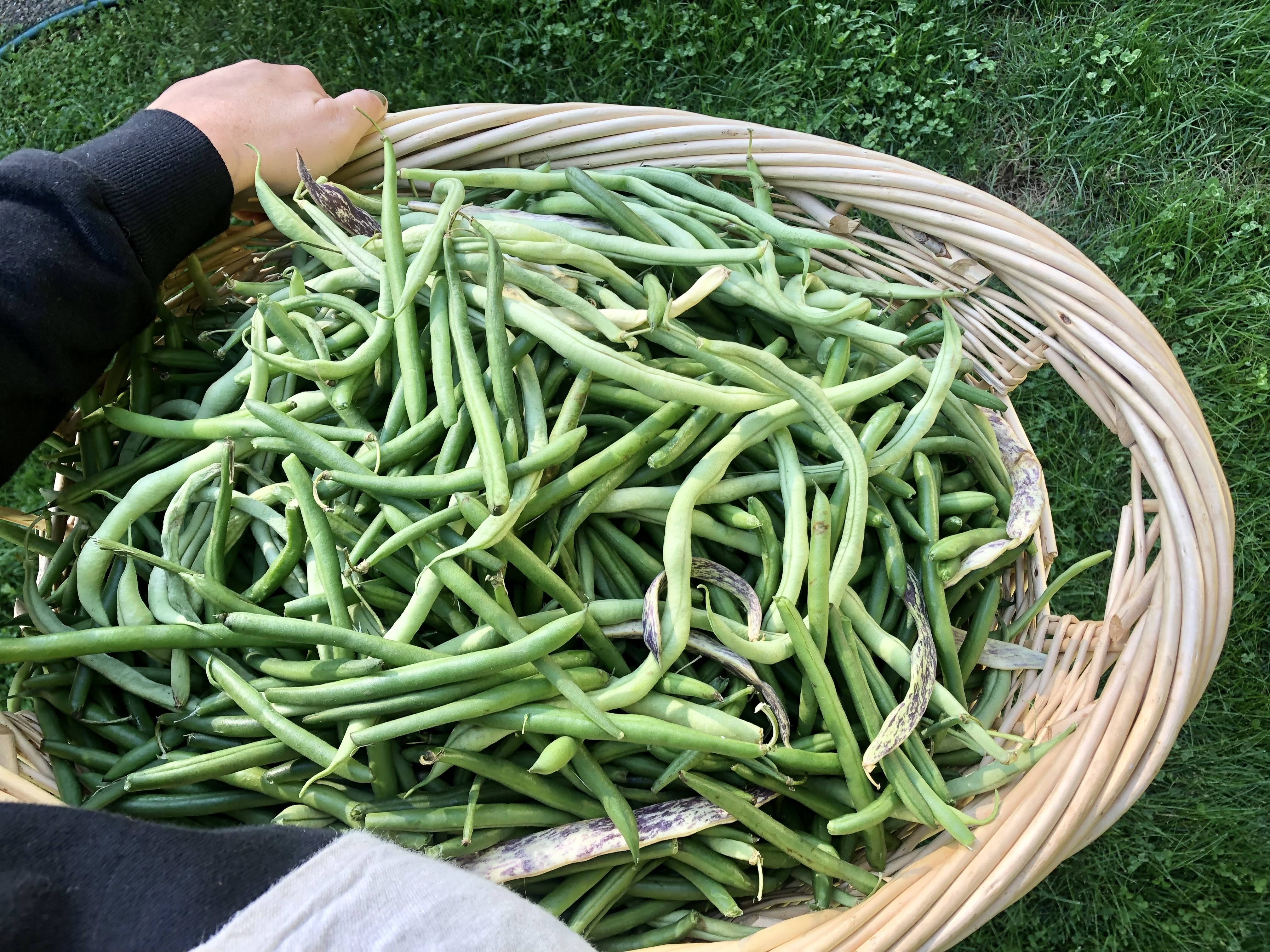
Fabaceae: Beans, Peas, Favas, Lentils, Edamame, Cover Crop Legumes
What most gardeners don't know: This is the only family that adds nitrogen back to the soil instead of pulling it out, thanks to bacteria living in their root nodules. Fava beans in particular double as a winter cover crop, detailed in Fava Beans Build Kitsap County Soil While Feeding Your Family.
Planting tips: Always place this family directly after heavy feeders to rebuild what was used, and when you turn a legume cover crop under, do it correctly — see Cover Crops Finished? Turning Them In Correctly Matters. For growing guides, see beans and peas.
Building a Multi-Year Rotation Map
A working rotation isn't a single-season decision — it's a 3-4 year map assigned to each bed. Track which family occupied each bed and when, and follow the sequence: heavy feeder, nitrogen-builder, soil-restorer, repeat. If disease pressure has already built up in a bed, a soil test can confirm what you're working with before you commit to next season's plan — see Soil Testing in Kitsap County: When and Why It Matters.
Rotation done by family, not by memory of "what grew here last," is the difference between beds that stay productive for decades and beds that quietly decline no matter how much compost you add. Kitsap County's wet, cool soil doesn't forgive shortcuts — but it rewards a plan that respects what each family actually needs.