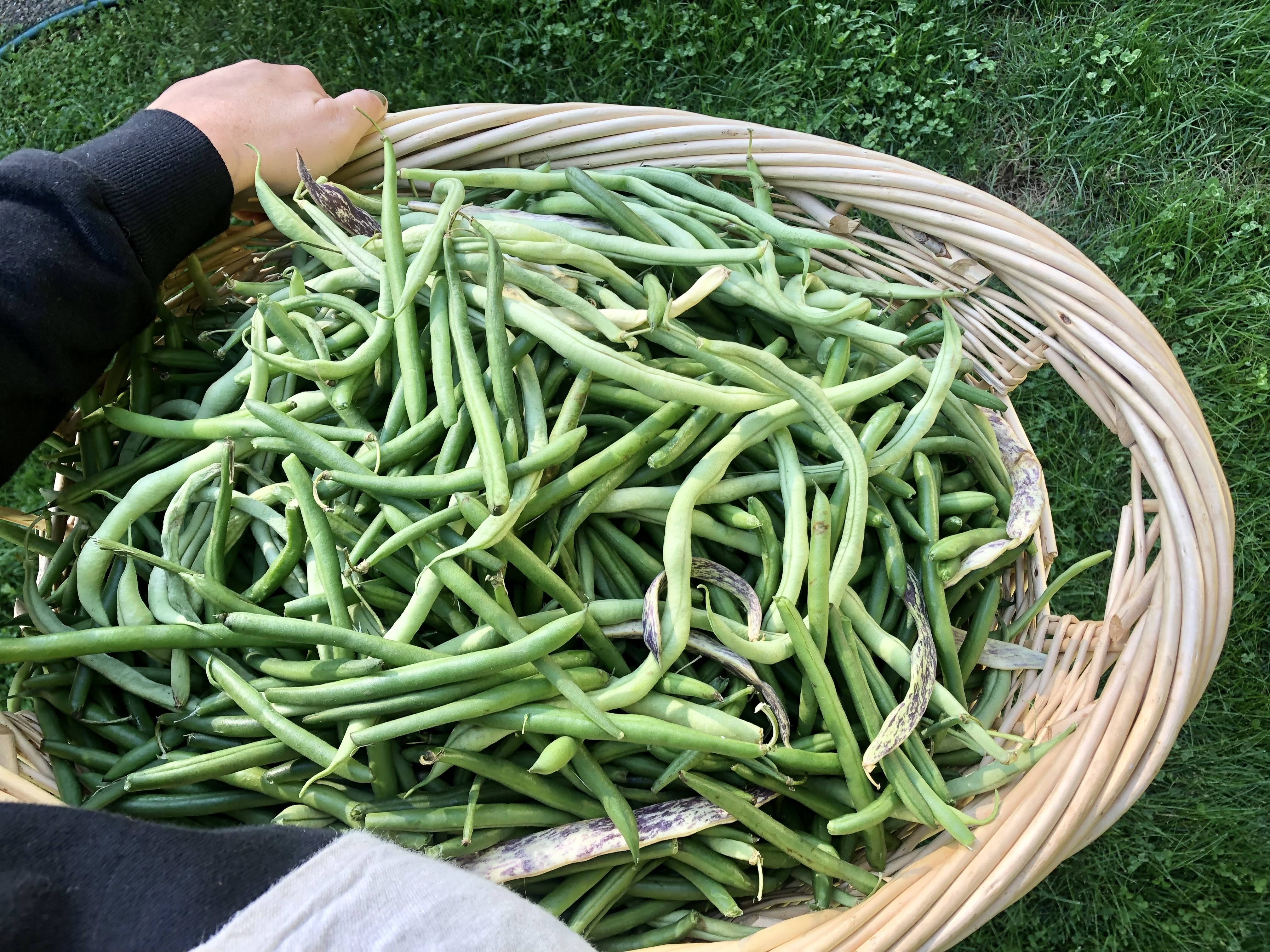
How to Grow Beans in Kitsap County: Best Varieties, Planting Times, and Tips for a Productive Pacific Northwest Harvest
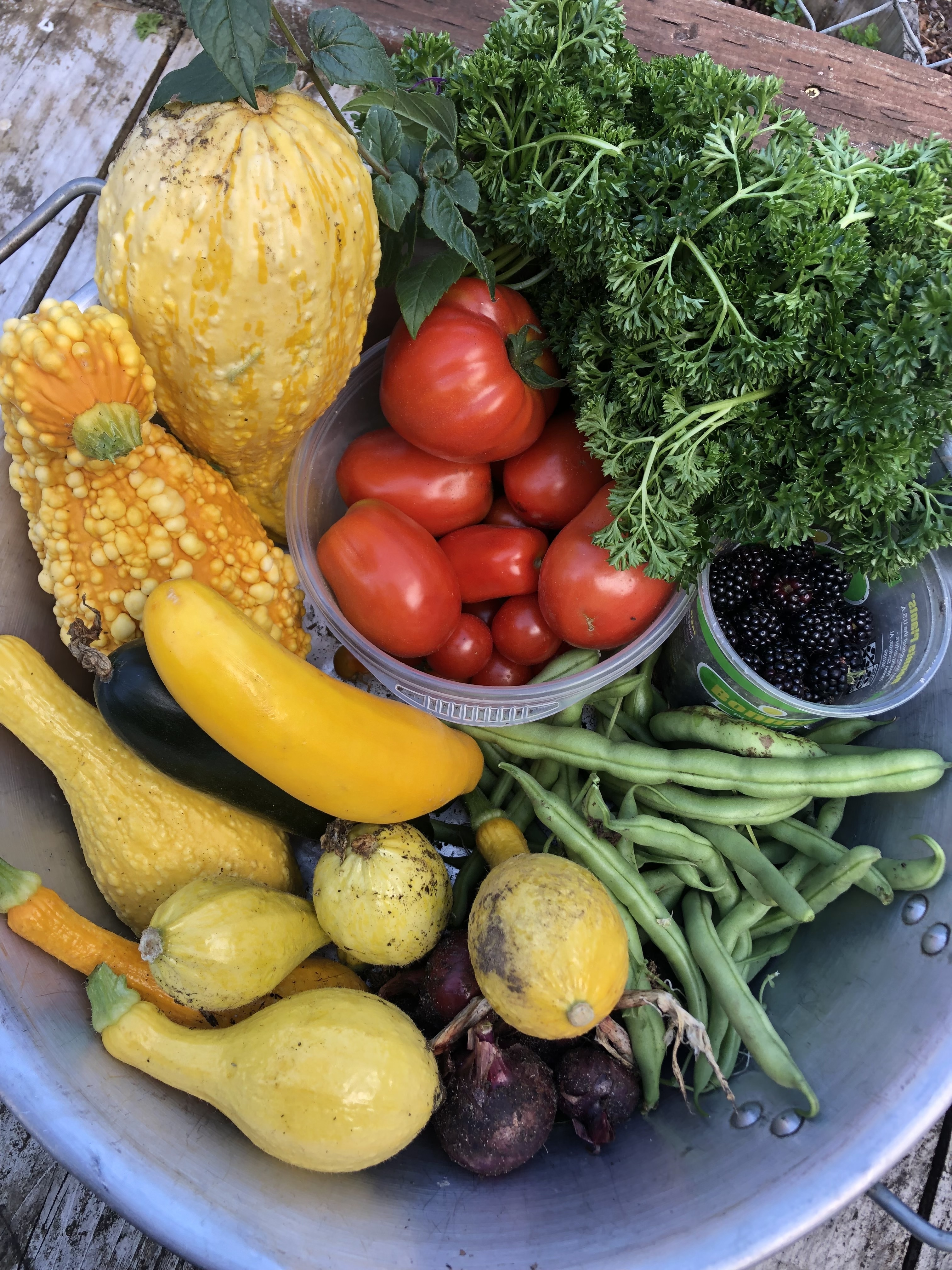

If you have been waiting for the right time to add beans to your garden, late April and May is when Kitsap County gardeners start thinking seriously about it. Beans are warm-season crops that need soil temperatures of at least 60°F to germinate well, and our cool springs mean timing matters more here than in warmer parts of Washington state.
The good news is that beans are forgiving once they get going. They fix their own nitrogen, they produce abundantly in small spaces, and they fit naturally into a well-planned vegetable rotation. Here is what you need to know to grow them well in our corner of the Pacific Northwest.
When to Plant Beans in Kitsap County
Beans are direct-sown into the garden. They do not transplant well, and starting them indoors is generally not worth the effort. What matters most is soil temperature.
- Wait until soil reaches 60°F: Below this threshold, bean seeds may rot before they germinate. Many Kitsap gardeners find that late April to mid-May is the reliable planting window, though cold, wet springs can push that closer to Memorial Day.
- Check the soil, not the calendar: An inexpensive soil thermometer is one of the most useful tools you can own. Take readings in the morning, a few inches down.
- Succession plant for a longer harvest: Sow a new round of beans every two to three weeks from mid-May through early July to extend your picking window well into late summer.
- Avoid planting after mid-July: Beans need roughly 50 to 70 days to maturity. Plants started too late may not finish before our fall rains arrive and temperatures drop.
If you are also growing peas this season, beans take over right where peas leave off. For more on cool-season legumes that thrive in early spring, see our guide to growing peas in Kitsap County.
Best Bean Varieties for the Pacific Northwest
Not all beans perform equally well in a cool, maritime climate. Choosing varieties that tolerate some moisture and finish on the shorter end of the maturity range gives you a real advantage here.
Bush beans are generally the easiest starting point for Kitsap gardeners. They do not need staking, they mature quickly, and they produce a concentrated harvest.
- Provider: One of the most reliable bush beans for cool soils. It germinates well even in marginal conditions and matures in about 50 days.
- Contender: Another cool-tolerant bush bean with good disease resistance. A solid choice for early plantings.
- Dragon Tongue: A beautiful yellow wax bean with purple streaks. Productive, flavorful, and a favorite with home chefs and families with kids.
- Royal Burgundy: Purple-podded bush bean that turns green when cooked. Germinates well in cooler soil and adds visual interest to the garden.
Pole beans take longer to mature but produce over a longer window, which can make them worth the extra infrastructure.
- Blue Lake Pole: A classic Pacific Northwest favorite. Tender, flavorful pods and reliable production through summer.
- Rattlesnake Pole: An heirloom variety with streaked pods and good heat tolerance. It can handle the occasional warm stretch Kitsap gets in July and August.
- Fortex: A French filet-style pole bean with long, slender pods. Popular with home chefs and excellent for fresh eating.
Shell and dry beans require a longer, drier finish than Kitsap typically provides, but they can work in a warm, sheltered spot with good airflow. Borlotti and Calypso types are worth trying if you have the right microclimate.
Soil, Spacing, and Care
Beans are not heavy feeders, which is part of what makes them so useful in a rotation. They actually fix atmospheric nitrogen through a relationship with soil bacteria, meaning they can improve the bed they grow in rather than deplete it.
- Soil prep: Beans prefer loose, well-drained soil with a pH around 6.0 to 7.0. Our native Kitsap clay can be too dense and wet for good germination. Raised beds with amended soil can make a significant difference. Our post on building raised garden beds in Kitsap County covers what to look for in soil structure and drainage.
- Sowing depth: Plant seeds about one inch deep, two to four inches apart in rows twelve inches apart for bush beans. Thin to six inches as seedlings emerge.
- Watering: Keep soil consistently moist at germination, then water deeply but less frequently once plants are established. Beans do not like to sit in waterlogged soil.
- Avoid overhead watering once flowering begins: Wet foliage during flowering can reduce pod set and invite fungal issues. Water at the base when you can.
- Rotation: Beans are members of the Fabaceae family. Follow them with soil-restoring crops like carrots or greens, and avoid planting them in the same bed within three to four years.
Slugs can be a real problem in the early weeks after germination, especially in wet springs. Young bean seedlings are vulnerable. If you are seeing damage, our guide to identifying and treating slug damage in Kitsap County walks through the most effective strategies.
How Roots & Wings Can Help
Growing beans well in Kitsap County is not complicated, but it does take some familiarity with our local soil and seasonal rhythms. At Roots & Wings Gardening, we work with families across Kitsap, Pierce, and Mason Counties to plan productive food gardens that are built around how our climate actually behaves.
We think about beans not just as an individual crop but as part of a longer rotation strategy. Planting them after heavy feeders like squash or tomatoes, then following them with root vegetables or leafy greens, is one of the most effective ways to keep your soil healthy and your harvests consistent year after year.
Whether you are starting your first vegetable bed or expanding an existing garden, we can help you figure out what to plant, when to plant it, and how to set it up for long-term success.
Ready to get your summer garden planted? Reach out to Roots & Wings Gardening to schedule a consultation. We serve homeowners and families throughout Kitsap County and would be glad to help you make the most of this season.