
Celeriac Delivers Big Flavors From Kitsap County Soil
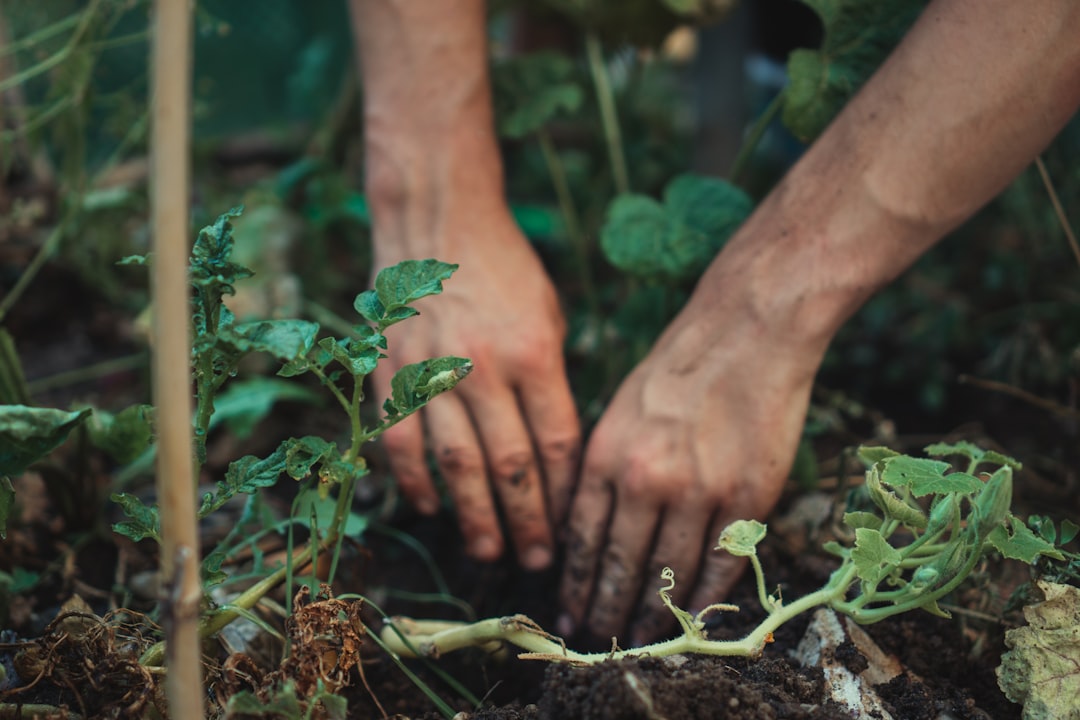
If you've ever searched for celeriac near me and come up empty, or wandered a grocery store wondering celeriac where to buy without success, the answer might be simpler than you think: grow it yourself. Kitsap County's cool, moist climate is almost tailor-made for this knobby, intensely flavored root, and once you taste celeriac harvested from your own soil, you'll never go back to hunting for it again.
Celeriac — also called turnip-rooted celery or celery root — belongs to the Apiaceae family alongside carrots, parsnips, parsley, cilantro, dill, and fennel. It's the same botanical family as regular celery, but grown specifically for its swollen, bulbous root rather than its stalks. That root delivers a concentrated, earthy celery flavor with faint nuttiness that roasts, purees, and soups absolutely love.
Why Kitsap County Is Ideal for Celeriac
Celeriac is a long-season crop. It wants 100 to 120 days from transplant to harvest, and it thrives in exactly the kind of cool, consistent growing conditions Kitsap County provides from spring through late autumn. Our mild summers don't push plants into heat stress, and our slow, drawn-out falls give roots time to swell without bolting or drying out. The county's reliable rainfall through spring and early summer reduces the irrigation burden considerably. Celeriac is a heavy drinker — it dislikes dry spells — and in a typical Kitsap growing year, nature handles much of that work until July. Once summer dries out, consistent watering at the root zone keeps development on track. If you're already comfortable growing celery, celeriac is a natural companion crop. The celery growing guide for Kitsap County walks through many overlapping timing and soil principles that apply equally here.Starting Celeriac From Seed
Celeriac has notoriously fine, slow-germinating seed. Start indoors 10 to 12 weeks before your last frost — in Kitsap County, that typically means starting in late January or early February for transplanting in April. Surface sow the seeds on moist seed-starting mix and do not cover them. Celeriac needs light to germinate. Keep the tray at 65–70°F and expect germination in 10–21 days. The seedlings are tiny and slow-growing at first, so patience is essential. Thin or prick out seedlings once they have their first true leaves and pot up into small individual containers before transplanting. Harden seedlings off carefully over 7–10 days before putting them in the ground. Celeriac is sensitive to cold snaps after transplanting — a hard frost below 28°F can trigger premature bolting.Soil Preparation and Bed Selection
Celeriac is a moderate to heavy feeder and performs best in deeply worked, consistently moist, well-drained soil rich in organic matter. In Kitsap County's clay-influenced native soil, raised beds or heavily amended in-ground beds produce the most reliable results. Incorporating aged compost to at least 12 inches depth gives roots room to swell without obstruction. Target a soil pH of 6.0 to 7.0. If you haven't tested your soil recently, the soil testing guide for Kitsap County will show you exactly when and why it's worth doing — and celeriac is precisely the kind of crop that rewards the grower who knows their numbers. Apiaceae crops like celeriac benefit from following nitrogen-building legumes in the rotation. Never plant celeriac where carrots, parsnips, parsley, dill, fennel, or celery grew in the last three to four years. Root diseases and pest pressure build fast when the same family occupies the same bed repeatedly. If you're coming out of a legume cover crop this season, that bed is ideally ready for celeriac. The guide to turning in cover crops correctly ensures you're timing that transition right.Transplanting Into the Garden
Transplant celeriac outdoors in Kitsap County from mid-April through early May, once soil temperatures reach at least 50°F consistently. Space plants 12 to 14 inches apart in rows 18 inches wide. Celeriac develops a wide, spreading root ball and needs room. Plant at the same depth the seedlings were growing — do not bury the developing crown. As the root swells over the season, it will sit partially above the soil surface, which is perfectly normal. Some growers mound soil lightly around the sides later in the season to improve surface moisture retention, but this is optional.Ongoing Care Through the Season
Watering: Consistent, even moisture is non-negotiable. Uneven watering produces cracked, pithy roots. Aim for 1 to 1.5 inches per week, either from rainfall or irrigation, and prioritize deep watering over frequent shallow passes. A 2- to 3-inch layer of straw or leaf mulch over the root zone dramatically stabilizes moisture and temperature during Kitsap's summer dry stretches. Feeding: Side-dress with aged compost or a balanced organic fertilizer at 6 weeks after transplanting. Celeriac responds well to consistent, low-level fertility rather than large fertilizer spikes. Lateral root removal: When the crown begins to form — usually by midsummer — remove any small lateral roots and suckers from the upper portion of the bulb. This redirects energy into the main root and produces a cleaner, larger, more marketable root. Use a small knife or your fingers to snap them off cleanly. Leaf removal: As autumn progresses, the outer stalks will begin to yellow and flop. Remove them to improve airflow and light exposure to the developing root.Pest and Disease Watch
Celeriac in the Apiaceae family shares pest and disease pressures with its relatives. The most significant threats in Kitsap County include: Carrot rust fly: The larvae tunnel through roots and can cause serious damage. Row cover applied at transplanting and kept in place until late summer is the most effective prevention. If you grow carrots in nearby beds, be aware that rust fly populations can spill over between Apiaceae crops. Slugs: Kitsap County's persistent moisture makes slug pressure a near-constant reality. Young celeriac transplants are especially vulnerable. The slug management guide covers deterrents that actually move the needle, and many of those techniques apply equally well into the growing season. Celery leaf blight: A fungal issue that appears in wet conditions as brown spots on foliage. Improve airflow between plants, avoid overhead watering, and remove affected foliage promptly. Kitsap's rainy springs create conditions where this can spread quickly if plants are crowded. Aphids: Soft-bodied infestations on tender growth can slow young plants. A strong spray of water dislodges colonies. Encouraging ground beetles and beneficial insects through habitat diversity helps keep populations managed. The ground beetle guide is worth reading if you're thinking about long-term pest balance in your beds.When and How to Harvest
Celeriac in Kitsap County is typically ready from late September through November. The roots should be 3 to 4 inches in diameter at the crown for optimal flavor and texture. Larger roots — up to 5 or 6 inches — are possible with good growing conditions but can occasionally develop pithy interiors. Harvest by cutting the foliage back to about 2 inches above the root, then using a garden fork to loosen the surrounding soil and lift the root cleanly. Trim off the remaining stalks and the bottom root cluster. Celeriac stores exceptionally well — packed in damp sand or stored in a cool, dark, slightly humid space (around 34–40°F), roots hold quality for several months. A root cellar, unheated garage, or refrigerator crisper drawer all work well. In Kitsap County's mild winter climate, celeriac left in the ground can often persist through November and into December under mulch, allowing you to harvest as needed rather than all at once. Once hard freezes arrive consistently, lift and store any remaining roots.Celeriac Varieties Worth Growing in Kitsap County
Brilliant: One of the most widely grown and reliable varieties. Smooth-skinned, round, and less prone to the hollow core that can affect other types. Flavor is excellent — clean, mild, and nutty. Stores well into winter. Ibis: A Dutch variety with very consistent sizing and a dense, firm interior. Tends to be more uniform than Brilliant, which matters if you're growing for culinary use or gifting. Good resistance to bolting in variable spring temperatures. Giant Prague: An heirloom variety with large roots and strong flavor. Takes slightly longer to mature but rewards patient growers with substantial yields. More textured exterior than modern hybrids — requires more peeling but delivers deep, complex flavor. Monarch: A newer variety with improved surface smoothness and excellent cold tolerance. Performs particularly well in Kitsap's cool autumn conditions and holds well in the ground late into fall. Diamant: Known for its very white, dense flesh and mild flavor. Popular with home chefs who want maximum culinary flexibility — the mild flavor pairs well with both delicate and bold preparations.Cooking Celeriac: What This Root Actually Does in the Kitchen
Celeriac is one of the most versatile root vegetables you can grow. It lacks the sweetness of parsnips or beets, instead offering a savory, earthy depth that enriches almost anything it touches. Roasted: Cut into wedges or cubes, tossed with olive oil, salt, and herbs, and roasted at 425°F until golden and caramelized. The exterior crisps while the interior becomes tender and almost creamy. Pairs beautifully with garlic, thyme, and lemon. Pureed: Celeriac puree is a revelation. Boil peeled chunks in salted water until soft, then blend with butter, a splash of cream, and white pepper. The result is silkier than mashed potato with far more complexity. Often served under seared fish or alongside braised meats. Raw as remoulade: Peeled and julienned or grated fine, then dressed with a mustardy cream sauce, celeriac remoulade is a classic French preparation. The raw root has a crisp texture and assertive flavor that softens in the dressing. Add capers, lemon, and fresh parsley for a bright, punchy side dish. Soups and stews: Diced celeriac adds body and flavor to vegetable soups, chicken broth, and stews. It holds its shape better than many root vegetables at medium heat, making it excellent for slow-cooked dishes. As a vallarta ceviche companion: If you're exploring ceviche in the style of Nayarit — the coastal Mexican state whose cooking traditions inform Vallarta ceviche — celeriac makes a genuinely interesting non-traditional addition. Its earthy, slightly briny celery flavor brings a savory note to citrus-cured seafood preparations. Thinly shaved or finely diced raw celeriac, added alongside cucumber, white onion, chile, and fresh lime juice, contributes texture and a subtle depth that balances bright acidic cures. This isn't traditional, but it speaks to the kind of cross-cultural kitchen creativity that home-grown specialty vegetables enable. When you grow your own celeriac rather than searching for celeriac where to buy at specialty markets, you have the freedom to experiment at will.Fitting Celeriac Into the Bigger Kitsap Garden Picture
Celeriac is a slow, patient crop — and that's exactly why it suits certain Kitsap County growers so well. If you're already running succession plantings through the season, celeriac occupies its bed from spring transplanting through late autumn harvest, making it a set-it-and-tend-it crop that doesn't require constant intervention. It works particularly well alongside faster-cycling crops in separate beds. The Apiaceae family — which includes celeriac, carrots, parsnips, parsley, dill, and fennel — plays an important soil-restoring role in a regenerative rotation. Following heavy feeders like squash or tomatoes, and following the nitrogen-building legume phase, Apiaceae crops help stabilize and condition the soil for the next cycle. If you're building a structured rotation across multiple beds, celeriac earns its place in the plan. For growers who want to extend their root vegetable range beyond the familiar, the parsnip growing guide for Kitsap County covers another Apiaceae root that thrives under almost identical conditions and pairs beautifully with celeriac in autumn cooking. And if you're thinking about preservation — celeriac roots store beautifully through winter, making them one of the best candidates for a Kitsap County root cellar or cool-storage setup — the harvest preservation guide has methods worth building into your seasonal plan.Final Thoughts
If you've been searching for celeriac near me without luck, the search ends in your own garden bed. Kitsap County's climate, soil, and growing season align almost perfectly with what this underrated root vegetable needs. Start seeds in late January, transplant in April, tend consistently through summer, and harvest in autumn. The reward is a root with more flavor than celery, more versatility than parsnip, and more culinary range than almost any other vegetable you can grow in the Pacific Northwest. Roots and Wings Gardening exists to help Kitsap families grow crops like this — the ones that rarely appear at farmers markets and almost never at grocery stores, but that reward the grower with both self-sufficiency and extraordinary flavor. Celeriac is exactly that kind of crop.
"Holly completely transformed our estate! From planning raised beds to planting a variety of vegetables, she made everything so simple and approachable. Not only do we have a thriving garden now, but she taught us how to care for it ourselves. Her passion and knowledge are unmatched - I can’t recommend her enough!"
Lori H.
Private Gardening Client