Garlic Planting Season Is Coming: Kitsap County's Best Prep Steps
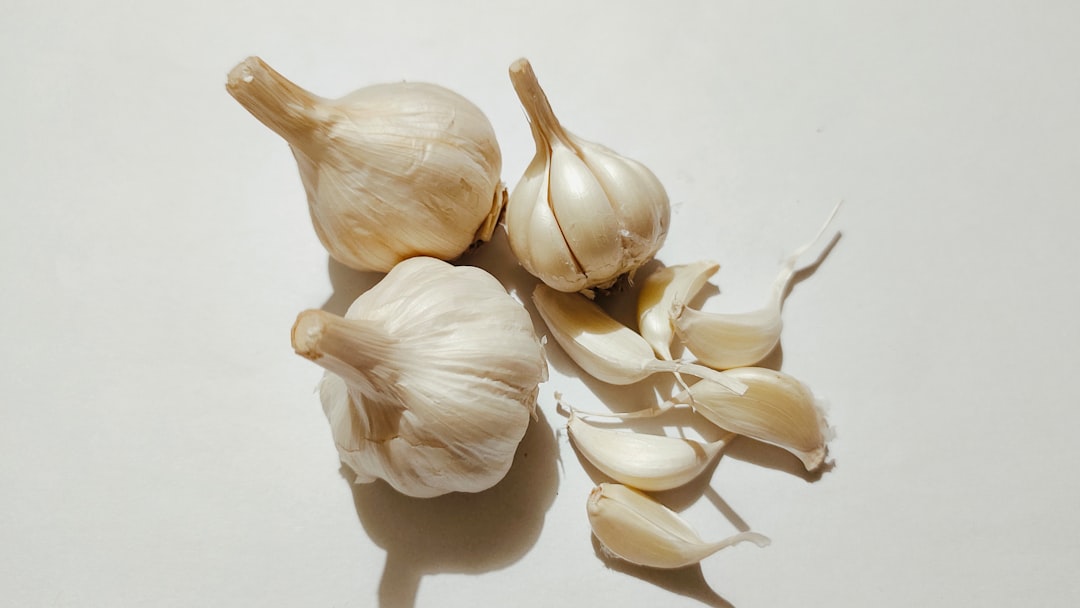
Garlic is one of the most rewarding crops a Kitsap County gardener can grow — but the harvest you pull up next summer is almost entirely determined by what you do to your bed before planting. If you're thinking about garlic in late summer or early fall, you're thinking about it at exactly the right time. Washington State's planting window for garlic typically falls between mid-October and mid-November, giving you a narrow but workable runway to get everything in order.
This guide walks you through every meaningful prep step — from choosing the right bed location to amending your soil, planning your rotation, and selecting the right varieties for western Washington's maritime climate. Do this work now, and your garlic will reward you with strong root development through winter and vigorous growth when spring arrives.
Why Garlic Prep Matters More Than Most Crops
Garlic is a long-season crop that spends six to eight months in the ground. Unlike a fast-maturing radish or a salad green you can resow if something goes wrong, garlic gets one shot per year. There's no correcting a compacted bed in February or adjusting drainage in January. The conditions you create before planting are the conditions your garlic will live with through every cold, wet Kitsap County month ahead.
That's why bed preparation isn't just a preliminary step — it's the central act of garlic growing. Everything else, variety selection, planting depth, mulching, spring feeding, flows from getting this foundation right.
Step 1: Choose the Right Location
Garlic needs full sun — at least six hours of direct sunlight daily, and more is better. In Kitsap County, where cloud cover limits total sun hours across much of the growing season, this matters more than it might in sunnier climates. Avoid low-lying areas that collect cold air or stay shaded in fall and spring.
Drainage is equally critical. Garlic bulbs sitting in waterlogged soil through a Kitsap winter will rot. If your garden has clay soil — which is extremely common throughout Kitsap, Pierce, and Mason Counties — addressing drainage before planting is non-negotiable. You can read more about working with this challenge in our guide on how to manage clay soil in Kitsap County. Raised beds are often the most reliable solution for garlic in heavy soils, and if you're considering that option, our post on how to build a raised garden bed in Kitsap County covers everything you need.
Step 2: Rotate Your Bed Correctly
Garlic belongs to the Allium family — the same botanical family as onions, leeks, shallots, chives, scallions, and ramps. Because plants in the same family share soil needs, pest vulnerabilities, and disease susceptibility, you should never plant garlic in a bed that grew any other allium within the past three to four years.
At Roots and Wings Gardening, we rotate by botanical family, not by individual plant. So if a bed grew onions or leeks recently, garlic goes elsewhere. The best predecessors for a garlic bed are legumes — beans, peas, favas — which fix nitrogen and leave the soil in better biological condition. If you're sowing a quick cover crop between now and planting time, a legume mix is an excellent choice. Our post on late summer cover crops Kitsap County gardeners should sow now has specific recommendations worth reviewing.
After garlic comes out next summer, follow it with a nitrogen-builder or a soil-restoring family like Apiaceae (carrots, parsnips, parsley, dill) to continue rebuilding the bed's biological health.
Step 3: Amend Your Soil Now, Not at Planting
Garlic needs fertile, well-structured, slightly acidic to neutral soil — roughly pH 6.0 to 7.0. Kitsap County soils often run on the acidic side due to heavy rainfall leaching nutrients and our naturally coniferous landscape, so soil testing before amending is worth the small investment. Our post on soil testing in Kitsap County explains when and how to get that done.
Once you know your baseline, here's how to build a garlic-ready bed:
- Compost: Work in two to four inches of finished compost, turning it into the top twelve inches of soil. This is your primary amendment. It improves drainage, feeds soil life, and delivers slow-release nutrients. If you're not composting yet, our beginner's guide to composting in Kitsap County is a good starting point.
- Balanced organic fertilizer: Garlic is a moderate feeder. A granular all-purpose organic fertilizer scratched into the bed several weeks before planting gives microbes time to begin breaking it down before cloves go in.
- Lime if needed: If your soil tests below pH 6.0, a light application of agricultural lime can bring it up. Apply now so it has weeks to work before planting.
- Avoid high-nitrogen amendments at planting time: Too much nitrogen in fall pushes leafy top growth, which is not what you want. You want the energy going into root development and bulb initiation. Save your nitrogen-rich inputs for a spring side-dressing.
Loosen the bed to at least twelve inches deep. Garlic doesn't need fluffy, loose soil the way carrots do, but compaction will restrict bulb expansion in spring and reduce your harvest size.
Step 4: Address Drainage Before Planting
This cannot be overstated. Kitsap County receives roughly 50 to 60 inches of rainfall annually, much of it falling as persistent light rain from October through April — exactly the period when garlic is in the ground. A bed that drains well in summer may become saturated in winter. Stand in your intended garlic bed after a heavy rain and observe what happens. If water pools or the soil stays soggy for more than a day, you need to act before planting.
Options include raising the bed surface by mounding soil, installing drainage channels, or converting to a raised bed. If persistent flooding has been an issue in your garden, our post on fixing drainage in waterlogged Kitsap County beds covers practical solutions in detail.
Step 5: Clear Weeds and Previous Crop Debris
Garlic competes poorly with weeds, especially in spring when it's putting energy into bulb development. A bed that's heavily weedy at planting time is a bed that will give you undersized bulbs. Clear it thoroughly now.
Remove all previous crop debris, roots included. Don't compost any plant material that showed disease. Bare soil exposed for a few weeks before planting will allow a flush of weed seeds to germinate, which you can then remove before the cloves go in — a technique sometimes called a stale seedbed. It's simple and it works.
You might also consider using wood chip paths or another weed-suppressing material around the garlic bed perimeter to reduce weed pressure from the edges. Our guide on weed-free paths Kitsap County gardeners are achieving affordably has ideas worth borrowing.
Step 6: Know When to Plant Garlic in Washington State
In Kitsap County, the ideal garlic planting window is mid-October through mid-November. This timing is not arbitrary. You want cloves to establish roots before the ground cools significantly, but you do not want significant top growth before winter. About two to four weeks of root development before hard cold sets in is the target.
Planting too early — in September or early October — risks lush top growth heading into winter, which can be damaged by hard frost. Planting too late — in December — means cloves go into cold soil before they can establish roots, reducing vigor and sometimes causing rot. The mid-October to mid-November window hits the sweet spot for western Washington's maritime Zone 8 conditions.
If you're planning your fall garden schedule more broadly, our September planting calendar for Kitsap County can help you sequence everything leading up to garlic planting time.
Step 7: Select the Right Garlic Varieties
Garlic divides into two main types: hardneck and softneck. For Kitsap County, hardneck varieties are the clear choice for home gardeners.
Hardneck varieties require a cold vernalization period — extended exposure to cold temperatures — to form proper bulbs. Our cool, wet winters deliver exactly that. Hardnecks also produce garlic scapes in late spring, which are edible and delicious. Popular hardneck types that perform well in western Washington include:
- Rocambole: Rich, complex flavor. Fewer papery skins, so easier to peel. Shorter storage life (three to four months), but considered one of the finest tasting. Varieties like German Red and Spanish Roja do well here.
- Purple Stripe: Excellent cold hardiness and strong flavor. Stores longer than Rocambole. Varieties like Chesnok Red are worth seeking out.
- Porcelain: Large, beautiful bulbs with few cloves per head. Long storage life. Music and Romanian Red are reliable performers in the Pacific Northwest.
Softneck varieties — the type you see braided and sold at grocery stores — are better suited to milder winters and longer, hotter summers. They can grow in Kitsap County but often underperform compared to hardnecks and don't benefit as meaningfully from our cold winters.
Source your seed garlic from a reputable Northwest seed supplier or local farm if possible. Grocery store garlic is often treated to inhibit sprouting and may carry diseases not suited to regional soil conditions. For a deeper dive into varieties and harvest timing, see our comprehensive guide on how to grow garlic in Kitsap County.
Step 8: Plan Your Mulch Strategy
After planting, garlic beds in Kitsap County benefit significantly from mulching. A three to four inch layer of straw, shredded leaves, or wood chips laid over the bed after planting does several things: it moderates soil temperature fluctuations, suppresses weeds, retains moisture in dry spells, and slowly decomposes to feed the soil through winter.
Autumn leaves are an excellent and free mulch source for this purpose. Our post on autumn leaf mulch as free fertilizer explains how to use them effectively. Avoid mulching so thickly that garlic shoots can't push through in spring — if you use a denser material, you may need to pull it back slightly once sprouts emerge in late winter or early March.
What to Do Right Now (Late July)
Today is late July 2026, which puts garlic planting roughly ten to fourteen weeks away. That's actually an ideal amount of lead time. Here's what you should be doing between now and October:
- Decide on your bed location and assess its drainage and sun exposure.
- Check rotation history. Has this bed grown alliums recently? If so, identify a different bed now rather than scrambling in October.
- Get a soil test so you have results back and amendments sourced before September.
- Sow a quick cover crop in the intended bed if it's currently empty — legumes are ideal. Terminate it two to three weeks before planting to allow decomposition time.
- Source your seed garlic early. Good hardneck varieties from quality suppliers sell out quickly. Order in August if you're buying online.
- Gather compost and amendments so they're on hand when you're ready to prep the bed in September or early October.
Garlic rewards planners. The gardeners who produce the largest, most flavorful bulbs in Kitsap County aren't doing anything miraculous at planting time — they're the ones who made good decisions in the weeks before the cloves went in the ground.
Working With Kitsap County's Specific Conditions
Kitsap County sits in USDA Hardiness Zone 8, which means mild winters without extreme hard freezes but also persistent moisture and limited summer heat. This combination is genuinely favorable for hardneck garlic, which wants cold but not brutal cold, and which benefits from the steady moisture our winters provide — as long as drainage is adequate.
The primary challenge here isn't cold. It's waterlogging. A well-drained bed with good organic matter is the single most important thing you can give your garlic crop in this region. Get that right and everything else is manageable. For broader context on how our Zone 8 maritime climate shapes growing decisions, our post on Zone 8 gardening in Kitsap County is worth a read as you plan your fall beds.
The Bigger Picture: Garlic as a Household Staple Crop
One of the most satisfying things about growing garlic is the scale at which a home garden can actually meet household demand. A 4x8 raised bed planted at standard spacing — six inches between cloves, eight to ten inches between rows — can yield between 30 and 50 heads of garlic. A properly cured hardneck variety stores for four to six months. That's a meaningful portion of a family's annual garlic use coming from a single well-prepared bed.
For families building real food self-sufficiency, garlic is one of the most efficient investments a garden can make. It grows through the season with minimal intervention, and the harvest-to-effort ratio is exceptional when the bed preparation is done right.
If garlic is part of a broader food-growing plan for your household, consider how it integrates with your other fall and winter crops. Kitsap County's mild climate supports an impressive range of cold-hardy vegetables through the same months garlic is quietly establishing underground. Our post on what to plant in a Kitsap County garden in winter can help you build a full seasonal plan around your garlic bed.
The ground is ready for you. The season is coming. Start your prep now, and this time next year you'll be pulling cured heads of exceptional garlic from a bed you built with intention.