
Shallots Outperform Onions in Kitsap County's Cool Soil
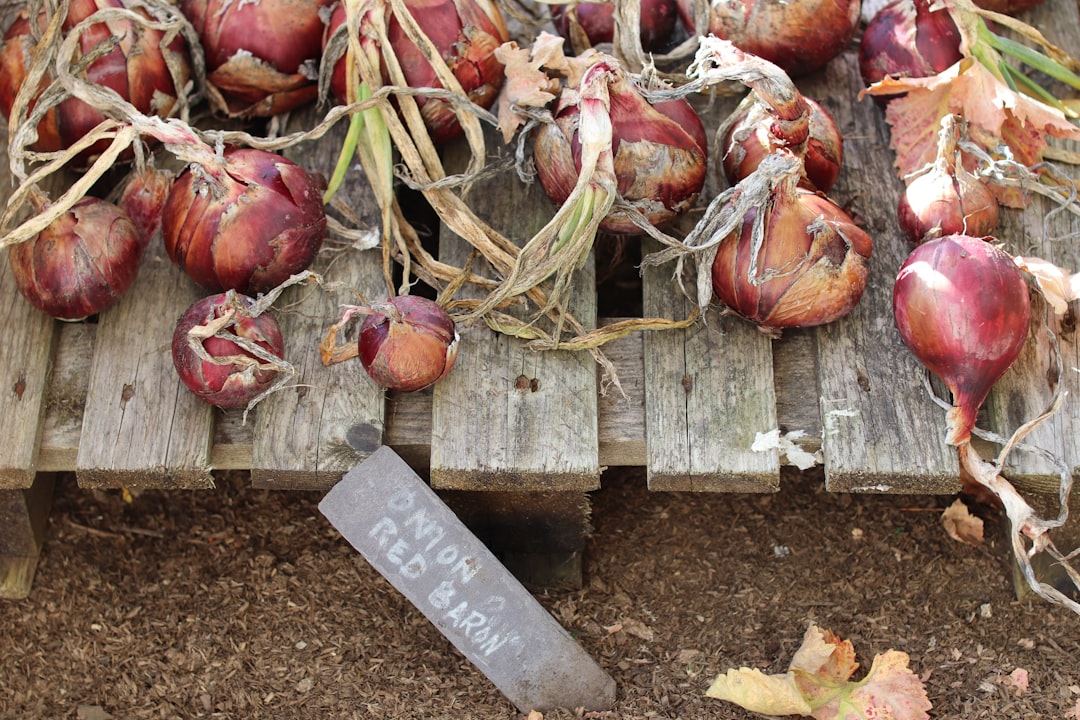
Kitsap County's cool, slow-warming soil and marine-influenced spring temperatures create a growing environment that many alliums tolerate — but shallots genuinely thrive in. Gardeners across the Peninsula who've grown both crops side by side often notice the same pattern: while onions sulk through cool, damp springs and bulb up unevenly, shallots push through with steady, reliable growth and a much shorter path to harvest.
**What Most Gardeners Don't Know**
Shallots aren't just a fancier-tasting onion — they're a different growth habit entirely. Instead of forming a single bulb, one planted shallot clove divides underground into a cluster of four to eight bulbs, similar to how garlic multiplies. This means a modest planting footprint yields a surprisingly large harvest, and gardeners get more plants for their initial investment than they would with onion sets or transplants.
Shallots also mature faster than most storage onions, often reaching harvest in 90 to 100 days compared to 100 to 120+ days for many onion varieties. In a region where unpredictable summer rainfall can complicate late-season harvests, that shorter timeline matters. Shallots are typically ready to pull earlier in summer, before the wetter patterns of late July and August set in.
Cool spring soil, which can stunt onion bulb formation and trigger premature bolting, doesn't seem to bother shallots nearly as much. Their smaller bulb size means they don't need the same sustained warmth to size up, making them far more forgiving during Kitsap's characteristically slow, gray springs.
Shallots also store exceptionally well — often outlasting cured onions in a cool, dry pantry by several months — which makes them a strong choice for families working toward long-term food self-sufficiency.
**Planting Tips**
Shallots belong to the same allium family as garlic, onions, leeks, and chives, so they follow the same rotation logic: never plant them where alliums grew within the past three to four years, and follow heavy feeders like tomatoes or squash with a nitrogen-building legume before returning to alliums.
Plant shallot bulbs (sets) in fall, similar to timing for garlic bed preparation, or in very early spring as soon as soil is workable. Push individual cloves into loose, well-draining soil about an inch deep, pointed end up, spacing them 6 to 8 inches apart to leave room for the bulb cluster to expand outward.
Shallots prefer full sun and soil enriched with compost, but they're sensitive to waterlogging. If your beds tend to hold water, address drainage issues before planting, since soggy soil is far more likely to rot shallot bulbs than stunt them.
Once the tops yellow and fall over in mid to late summer, lift the clusters, cure them in a dry, airy spot for two to three weeks, and store in mesh bags in a cool pantry. For gardeners deciding between alliums this season, it's worth comparing shallots directly against onion varieties suited to Kitsap County to see which fits your bed space and kitchen habits best.

"Holly completely transformed our estate! From planning raised beds to planting a variety of vegetables, she made everything so simple and approachable. Not only do we have a thriving garden now, but she taught us how to care for it ourselves. Her passion and knowledge are unmatched - I can’t recommend her enough!"
Lori H.
Private Gardening Client