
Parsley Root Outperforms Carrots in Kitsap County's Wet Soil
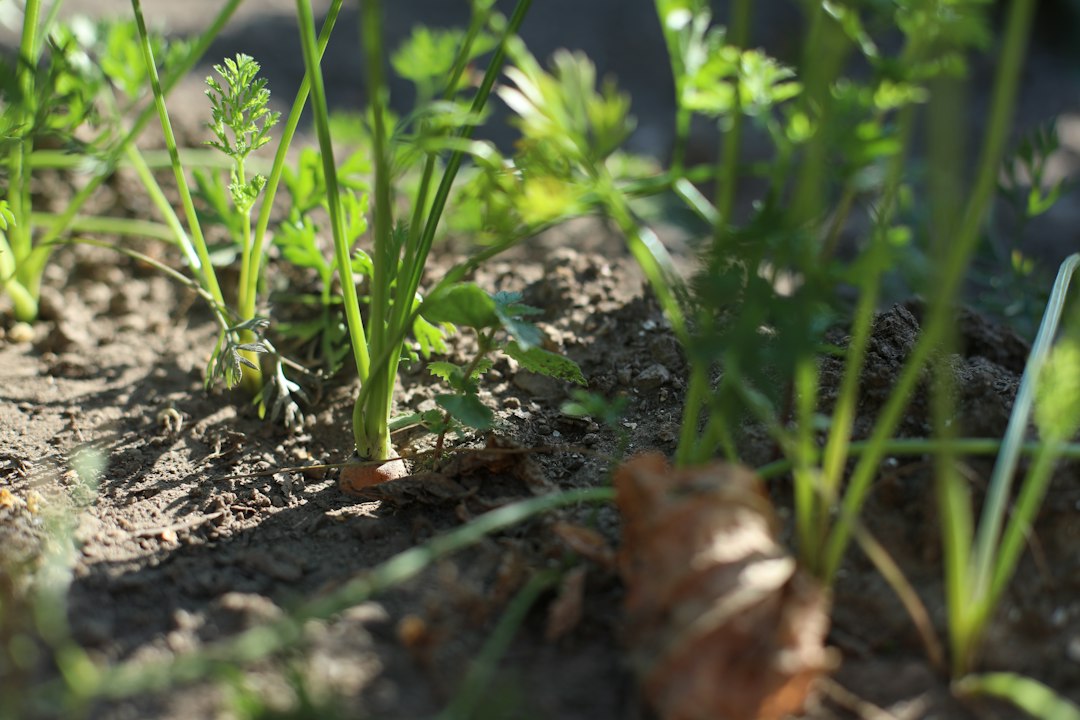
Kitsap County's heavy winter rains and clay-laden soil create a frustrating reality for root crop growers: carrots often fork, crack, or rot before they ever reach the table. If you've battled waterlogged beds and disappointing carrot harvests, it's time to consider parsley root (also called Hamburg parsley), a lesser-known member of the apiaceae family that handles wet, heavy soil far better than its orange cousin.
Understanding the Apiaceae Connection
Parsley root belongs to the same botanical family as carrots, parsnips, dill, fennel, celery, and celeriac. Because we manage our rotations by family rather than individual plant, understanding the apiaceae family's shared traits matters more than most gardeners realize. All these crops compete for similar nutrients, attract the same pests, and benefit from being grouped together in rotation planning. If you're weighing your options within this family, our comparison of celery root versus parsley root breaks down which root crop suits different soil conditions, and our guide to dill, parsley, or cilantro covers the leafy side of this versatile plant family.What Most Gardeners Don't Know
Carrots are notoriously sensitive to compacted, poorly drained soil. Even raised beds with imperfect drainage can produce stubby, forked roots when standing water lingers around the taproot. Parsley root, by contrast, developed in Central European growing conditions that mirror our maritime climate far more closely. Its root structure tolerates intermittent saturation without the same rate of splitting or rot that plagues carrots during Kitsap's wettest months. Parsley root also germinates more reliably in cool, damp soil. Carrot seed famously struggles with slow, uneven sprouting, a problem we've covered in detail regarding germination inhibitors that slow carrot crops. Parsley root seed, while still requiring patience, doesn't carry the same inhibiting compounds and tends to establish more evenly across a bed once soil temperatures stabilize in spring.Planting Tips
Sow parsley root directly into well-amended beds from early spring through midsummer for a fall harvest. Because this is a slow-growing root crop, expect 90 to 120 days to maturity. Keep seed beds consistently moist during germination, which typically takes two to three weeks. Given Kitsap County's clay tendencies, raised beds or heavily amended rows still improve results even though parsley root tolerates wetter conditions better than carrots. If drainage has been a recurring issue in your garden, addressing the underlying problem will benefit every crop you grow, not just root vegetables. Our guide on fixing waterlogged beds offers practical steps worth pairing with any Apiaceae planting. Avoid planting parsley root where any other Apiaceae crop grew in the past three to four years. This includes carrots, parsnips, dill, fennel, celery, and celeriac. Following our broader crop rotation guidance keeps soil-borne pests and diseases from building up in beds dedicated to this family. Since Apiaceae crops function as soil-restorers in our rotation framework, plant them after nitrogen-fixing legumes have had a season to enrich the bed, rather than following heavy feeders directly. Thin seedlings to four to six inches apart once they reach two inches tall to allow roots to size up properly. Parsley root also appreciates the same alkaline-correcting soil amendments that benefit most Kitsap vegetable beds; if you haven't yet tested your pH, our article on alkaline Kitsap County soil explains why this step matters before planting any root crop.Harvest and Use
Parsley root is ready when the crown reaches two to three inches in diameter, usually in fall. Unlike carrots, parsley root holds well in the ground through light frosts, and its flavor — earthier and more savory than carrot, with a hint of parsley's herbal brightness — deepens after cold exposure. Use it in soups, roasts, and mashes anywhere you'd reach for parsnip or celeriac. For gardeners building out a full parsley growing guide approach across both leaf and root varieties, pairing this crop with other family members like fennel or parsnips rounds out a resilient, wet-soil-tolerant harvest that carrots alone simply can't deliver in a typical Kitsap County season.

"Holly completely transformed our estate! From planning raised beds to planting a variety of vegetables, she made everything so simple and approachable. Not only do we have a thriving garden now, but she taught us how to care for it ourselves. Her passion and knowledge are unmatched - I can’t recommend her enough!"
Lori H.
Private Gardening Client