
Alkaline Kitsap County Soil Is Quietly Killing Your Vegetables
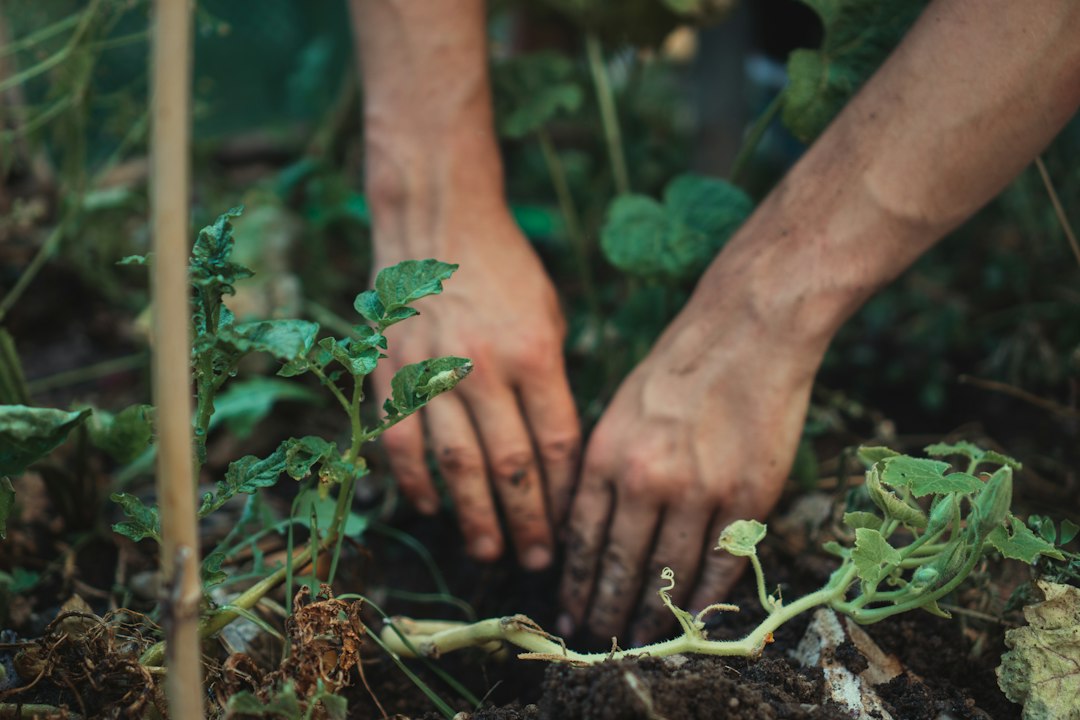
Most Kitsap County gardeners assume our rain-soaked, conifer-covered corner of the Pacific Northwest guarantees acidic soil. That assumption is usually correct — until it isn't. Pockets of stubbornly alkaline soil show up more often than people expect, especially near newer construction, foundations, driveways, and any bed built with imported fill dirt. Leaching concrete, crushed shell middens common along our bluffs and shorelines, and lime-heavy fill material can all push soil pH well above the 6.0–6.8 range most vegetables need to thrive.
The frustrating part is that alkaline soil rarely announces itself. Plants don't collapse overnight. Instead, you get the slow, confusing symptoms every gardener has blamed on something else — pale yellowing between leaf veins, stunted growth despite regular feeding, blossom end rot that won't quit, and brassicas that never size up properly. These are classic signs of micronutrient lockout, where iron, manganese, and zinc become chemically unavailable to roots even when they're technically present in the soil.
Why High pH Locks Out Nutrients
Soil pH controls the chemical form nutrients take. Above roughly 7.3, iron and manganese convert into forms plant roots simply cannot absorb, no matter how much fertilizer you apply. This is why heavy feeders in the Solanaceae family — tomatoes, peppers, eggplant, tomatillos, and potatoes — often show the most dramatic symptoms. They demand steady nutrient flow throughout the season, and alkaline conditions choke that supply right when fruit is setting.
Brassicas (broccoli, cabbage, kale, cauliflower, Brussels sprouts, kohlrabi, arugula, radishes, turnips) are similarly vulnerable. We've already covered how sulfur deficiency quietly stunts Kitsap County brassicas — alkaline soil makes this worse, since sulfur becomes less available as pH climbs. If your brassica beds have been underperforming despite good fertilizing, pH is worth investigating before you blame the variety.
Where Alkaline Pockets Hide in Kitsap County
- Near foundations and driveways: Concrete leaches lime for years after it's poured, raising pH in a radius around the structure.
- Shoreline and bluff properties: Old shell middens and marine deposits can push soil alkaline even where surrounding areas are acidic.
- Imported fill dirt: Builders often bring in fill from quarries or construction sites with unknown mineral content.
- Over-limed beds: Gardeners following generic lime application advice meant for other regions sometimes overcorrect naturally acidic PNW soil.
Because these pockets are so localized, a single soil test from one corner of the yard doesn't tell the whole story. We recommend testing soil separately near structures, slopes, and any bed built with imported material rather than assuming uniform conditions across the property.
Amending Garden Soil to Correct Alkalinity
Lowering pH is a gradual process, not a one-time fix. The most reliable approach combines mineral and organic amendments:
- Elemental sulfur is the most direct tool — soil bacteria slowly convert it to sulfuric compounds that lower pH over several months. It works best worked into the top 6 inches before spring planting.
- Acidifying organic matter such as pine needles, peat, and used coffee grounds nudges pH down while improving structure. Pair this with a steady compost routine — our beginner's guide to composting in Kitsap County covers building the kind of rich, slightly acidic humus that buffers against pH swings long-term.
- Avoid wood ash and garden lime in beds already trending alkaline. Both are common fixes recommended for other climates, but in a high-pH Kitsap County bed, they make the problem worse.
- Leaf mold mulch breaks down slowly and acidifies as it decomposes. We've written about how free autumn leaf mulch does double duty as both a nutrient source and a gentle pH corrector.
If calcium is also part of the equation — which it often is near shell middens or concrete runoff — review how calcium and gypsum interact with pH in our breakdown of eggshells, gypsum, and calcium for Kitsap gardeners. Gypsum is useful because it supplies calcium without raising pH the way lime does, which matters when your soil is already alkaline.
Don't Overlook the Biology
Alkaline soil doesn't just lock out minerals — it disrupts the microbial and fungal life that makes nutrients available in the first place. Beneficial fungal networks are especially sensitive to pH extremes. If you've read our piece on mycorrhizal networks Kitsap County gardeners are accidentally destroying, you already know how easily these relationships break down. Correcting pH alongside rebuilding organic matter gives those fungal networks a chance to re-establish, which in turn improves nutrient uptake across every bed in rotation.
Check Your Raised Beds Too
Don't assume raised beds are immune. Many Kitsap County gardeners fill raised beds with bagged "garden soil" blends that include lime or mushroom compost high in calcium carbonate — both of which push pH upward. If you're troubleshooting a raised bed specifically, our guide to raised bed soil mixes Kitsap County gardeners get wrong walks through exactly what to look for on a bag label before you fill a new bed.
Rotate With pH in Mind
Because we manage rotation by botanical family rather than individual plant, pH correction fits naturally into a multi-year plan. Follow heavy feeders like tomatoes and squash with nitrogen-building legumes — beans, peas, favas — which tolerate a slightly wider pH range and help rebuild organic matter. Our notes on nitrogen fixation timing and crop rotation done right both explain how this sequencing protects soil chemistry over the long haul, not just a single season.
Alkaline soil in Kitsap County is easy to miss and easy to misdiagnose, but it's rarely permanent. A season or two of targeted amending — sulfur, acidifying mulch, steady compost, and careful attention to what you bring in from outside the garden — brings most beds back into the range where your vegetables can finally access everything you've already been feeding them.

