
Germination Inhibitors Slow Down Kitsap County Carrot Crops
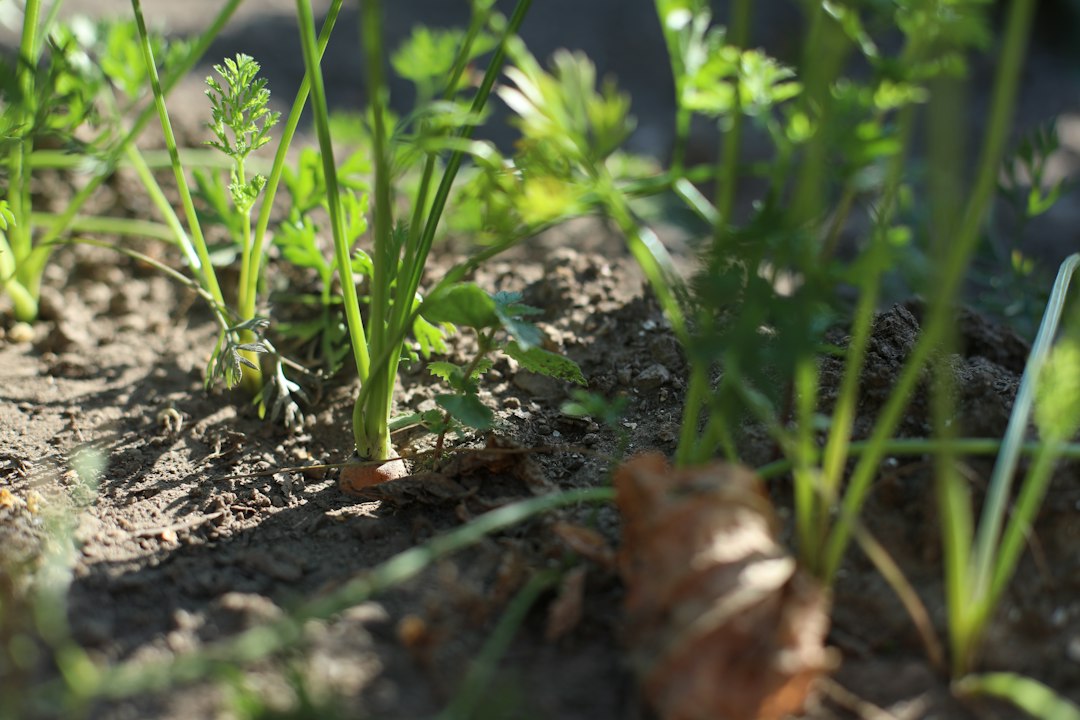
If you've ever sown a row of carrots in Kitsap County and then waited two, three, even four weeks wondering if anything happened at all, you're not doing anything wrong. Carrot germination is simply slow by nature, and our cool, damp Pacific Northwest soil makes it slower still. Understanding why carrot seeds are so reluctant to sprout — and what actually helps — can save you a season of frustration.
**Why Carrot Seeds Are So Stubborn**
Carrots belong to the Apiaceae family, along with parsnips, parsley, cilantro, dill, fennel, celery, and celeriac. This family is notorious among gardeners for slow, uneven germination, and carrots are often the worst offender. Part of the reason is built into the seed itself: carrot seeds carry natural germination inhibitors in their outer coat — compounds that suppress sprouting until conditions are just right. In the wild, this is a survival strategy. In a Kitsap vegetable bed, it just means patience.
On top of that built-in chemistry, carrot seeds are tiny and have very little stored energy reserve. They need consistent moisture at the soil surface for one to three weeks before they'll even think about pushing through. In Kitsap's spring weather, where a sunny afternoon can dry out a seed bed within hours, that consistency is hard to maintain. A single day of drying out can reset the clock and delay sprouting even further.
**Should I Soak Carrot Seeds Before Planting?**
This is one of the most common questions we hear from Kitsap gardeners trying to speed things along, and the honest answer is: it helps a little, but it won't work miracles. Soaking carrot seeds before planting can soften the seed coat and begin leaching out some of those natural germination inhibitors, which may shave a few days off sprouting time. It will not, however, overcome cold soil or inconsistent moisture after planting — those two factors matter far more than anything you do to the seed beforehand.
**How Long to Soak Seeds Before Planting**
If you want to try soaking, keep it simple: 12 to 24 hours in room-temperature water is plenty for carrot seed. Going much longer than 24 hours offers no real benefit and can actually invite rot or fungal issues once the seed goes into the ground, since the seed coat is already softened and vulnerable. After soaking, let the seeds air-dry just enough that they're easy to handle and sow immediately — don't let them dry out completely and sit around, or you lose the benefit entirely.
Compare this to other families: beans and peas, which store far more energy in a thick seed coat, often benefit more dramatically from soaking because it jump-starts a seed that's otherwise mechanically slow to imbibe water. Carrots are a different story — the inhibitor chemistry is the bigger obstacle, not the seed coat's physical toughness.
**What Actually Moves the Needle in Kitsap Soil**
For most Kitsap growers, the bigger wins come after the seed hits the ground, not before. Keep the seed bed consistently moist — a thin layer of fine compost or vermiculite over the row helps hold surface moisture without crusting over, which is a common cause of carrots failing to emerge even after they've technically germinated. Sow a little later in spring once soil temperatures climb past the mid-50s, since cold soil amplifies the inhibitor effect and stalls everything further. And always sow thicker than you think you need to — expect a lower germination percentage than with most other vegetable seed, and thin later rather than risk gaps in the row.
If you're planning your root crop beds for the season, it's worth comparing carrots against their Apiaceae cousins. Some gardeners find parsnips worth the even longer wait for a sweeter, more cold-hardy root, while others lean toward the faster celery root or parsley root comparison for a different flavor profile in the same bed. If you grow dill, parsley, or cilantro alongside your carrots, you'll notice the same slow-germination pattern — our guide comparing those three Apiaceae herbs covers why that family trait shows up across the board.
For a deeper dive into variety selection and full-season planting windows for carrots specifically, see our complete guide to growing carrots in Kitsap County, which walks through timing, soil prep, and harvest alongside this germination issue.
Because carrots are soil-restorers in the Apiaceae family, they're also a smart follow-up crop after heavy feeders like tomatoes or squash, and a good partner in a rotation that includes nitrogen-building legumes. If you're mapping out where carrots fit in your bed rotation this year, our guide to crop rotation done right explains how to sequence these families for the healthiest soil over time.
Carrot germination will likely always feel slow compared to your other spring plantings — that's simply the nature of the seed. But with a brief soak, consistent surface moisture, and a little extra patience for warmer soil, Kitsap gardeners can get a far more reliable stand of carrots without needing to replant halfway through the season.


"Holly completely transformed our estate! From planning raised beds to planting a variety of vegetables, she made everything so simple and approachable. Not only do we have a thriving garden now, but she taught us how to care for it ourselves. Her passion and knowledge are unmatched - I can’t recommend her enough!"
Lori H.
Private Gardening Client