
Dill, Parsley, or Cilantro: Which Apiaceae Herb Suits Kitsap Best?
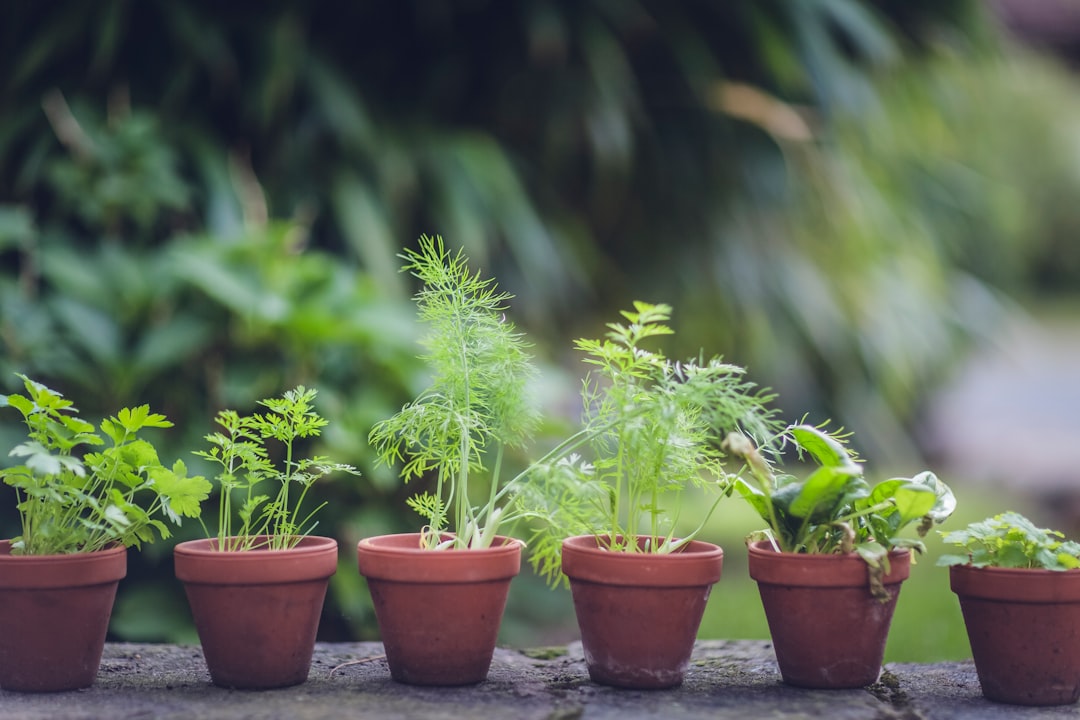
If you've ever wondered why dill, parsley, and cilantro seem to behave so similarly in the garden — bolting fast, attracting the same beneficial insects, struggling in the same soil conditions — it's because they're all members of the Apiaceae family, alongside carrots, parsnips, fennel, celery, and celeriac. Understanding the apiaceae family isn't just botanical trivia for Kitsap gardeners; it directly affects where you plant these herbs, what you plant them near, and how you rotate your beds year after year.
At Roots and Wings Gardening, we manage plantings by botanical family rather than individual crop, because apiaceae plants share the same soil preferences, the same pest pressures, and the same role in a healthy rotation. Once you understand the family, choosing between dill, parsley, and cilantro becomes much easier.
**Why the Apiaceae Family Matters for Rotation**
Apiaceae plants are soil-restorers. In a well-planned rotation, they follow nitrogen-builders like beans and peas, which themselves follow heavy feeders like tomatoes and squash. This sequencing keeps soil balanced without depleting it in the same way year after year. If you're new to rotating by family instead of by individual plant, Crop Rotation Done Right Keeps Kitsap County Beds Productive lays out the full four-year cycle Kitsap gardeners should be following.
Because dill, parsley, and cilantro are all in the same family, they should never occupy the same bed space as carrots, parsnips, fennel, or celery within the same three-to-four-year window. Doubling up on apiaceae in one bed year after year invites the same soilborne issues and pest pressure to build up unchecked.
**Dill: The Fast, Self-Seeding Option**
Dill is the most forgiving of the three for Kitsap's cool, damp spring soil. It germinates quickly, tolerates the region's unpredictable rainfall reasonably well, and — once established — tends to self-seed generously, giving you volunteer plants for years. Dill's feathery foliage also draws in beneficial predatory insects, making it a strong companion near squash and brassica beds.
The tradeoff is that dill bolts to flower almost as fast as it grows leaves, especially once daytime temperatures climb. If you want steady leaf production for pickling or fresh use, succession sow every few weeks rather than relying on a single spring planting.
**Parsley: The Slow, Steady Producer**
Parsley is the most patient of the three apiaceae herbs, but also the most reliable. It's biennial, meaning a well-timed planting can survive Kitsap's mild winters and give you a second season of growth before it flowers and sets seed. Parsley tolerates partial shade better than dill or cilantro, which makes it a good fit for gardeners working with less-than-ideal light.
If you're comparing root uses as well as leaf uses, it's worth reading Celery Root vs. Parsley Root: Which Suits Kitsap Gardeners?, since some parsley varieties are grown specifically for their root rather than their foliage.
**Cilantro: The Fussiest but Most Requested**
Cilantro is the apiaceae herb most Kitsap home cooks want, and also the one that gives gardeners the most trouble. It bolts almost immediately once temperatures rise or day length shifts, converting from leafy cilantro to seed-producing coriander within weeks. If you've struggled with cilantro disappearing on you every summer, Cilantro Bolting in Kitsap County: Causes and Simple Fixes breaks down the timing adjustments that actually help — mainly, treating it as a short-lived succession crop rather than a season-long planting.
**Choosing Based on Your Kitsap Garden**
For low-maintenance, self-perpetuating harvests, dill is the easiest apiaceae herb to grow in Kitsap conditions. For steady, long-season leaf production, parsley wins. For cilantro, success comes down to accepting its short window and planting in small, frequent successions — a strategy explored further in Succession Sowing Keeps Kitsap County Salad Bowls Full Longer.
Whichever you choose, remember to rotate them alongside their apiaceae relatives — carrots, parsnips, fennel, celery, and celeriac — as a single family group. If you're expanding your herb garden more broadly, How to Grow Herbs in Kitsap County covers the wider range of varieties worth adding to a Pacific Northwest herb bed.

"Holly completely transformed our estate! From planning raised beds to planting a variety of vegetables, she made everything so simple and approachable. Not only do we have a thriving garden now, but she taught us how to care for it ourselves. Her passion and knowledge are unmatched - I can’t recommend her enough!"
Lori H.
Private Gardening Client