
Chitting Seed Potatoes Before Planting Pays Off in Kitsap
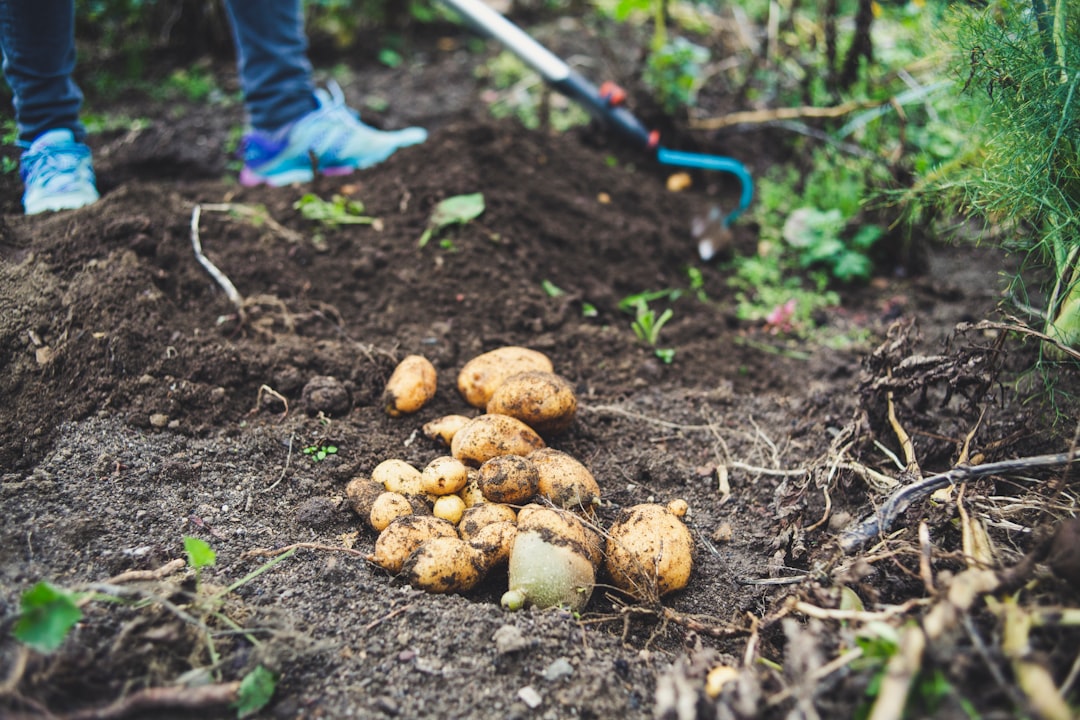
Kitsap County's cool, wet spring soil is not always kind to potatoes that go straight from the bag into the ground. Seed potatoes planted while fully dormant often sit sluggishly in cold soil, vulnerable to rot before they ever send up a shoot. Chitting — the practice of pre-sprouting seed potatoes indoors before planting — solves this problem, and it takes almost no equipment or expertise. It's one of the simplest upgrades a home gardener can make to their potato harvest this year.
**What Chitting Actually Does**
Chitting simply means encouraging seed potatoes to develop short, sturdy sprouts before they go into soil. Instead of asking a dormant tuber to wake up in cold, damp Kitsap ground, you wake it up indoors first, in a controlled environment, then transplant it already primed for growth. The result is faster emergence once planted, more uniform stands, and — because the plant gets a head start before slugs and cool soil pathogens become active — noticeably better survival rates.
This matters more in Western Washington than in warmer climates. Our maritime spring soil often stays below the ideal 45–50°F for weeks longer than gardeners expect, and wet spring conditions favor rot and fungal issues that can take out a dormant, unsprouted tuber before it even gets going.
**How to Chit Seed Potatoes**
Set whole seed potatoes in a single layer, eyes facing up, in a shallow box or empty egg carton. Place them somewhere cool (45–55°F) and bright but out of direct sun — a covered porch, unheated garage, or north-facing windowsill works well in Kitsap's mild late-winter climate. Over two to four weeks, short, thick, dark green or purple sprouts (not the long pale white ones from a forgotten pantry potato) will emerge from the eyes. Once sprouts reach about half an inch to an inch, the tubers are ready to plant.
If a seed potato is larger than a golf ball, cut it into pieces with at least one or two strong eyes each, and let the cut surfaces callus over for a day or two before planting to reduce rot risk.
**Container Potato Planting**
Containers are an increasingly popular option for Kitsap gardeners dealing with heavy clay soil, limited space, or a desire to avoid introducing Solanaceae diseases into permanent beds. Chitted seed potatoes are especially well suited to container growing because the head start compensates for the more limited root run containers provide.
Choose a container at least 15–20 gallons with generous drainage holes — potatoes rot quickly in waterlogged soil, and Kitsap's rainy stretches make drainage non-negotiable. Start with 4–6 inches of loose, well-draining growing medium in the bottom, set chitted seed potatoes sprout-side up, and cover with 3–4 inches more mix. As the plants grow, continue "hilling" by adding more soil or mulch around the stems every couple of weeks, leaving only the top few inches of foliage exposed. This hilling process is what encourages the plant to set additional tubers along the buried stem, and it's just as important in containers as it is in ground beds.
For gardeners deciding between containers and traditional beds, our guide on raised bed versus ground gardening covers many of the same drainage and soil-warming tradeoffs that apply here.
**Fertilizer for Potatoes in Containers**
Container-grown potatoes face a specific challenge: the confined soil volume gets depleted of nutrients faster than an in-ground bed, and frequent watering (necessary in containers) leaches nutrients out quickly. Potatoes are heavy feeders, particularly for potassium, which supports tuber formation, and phosphorus, which supports root development.
At planting, mix a balanced organic fertilizer with an emphasis on potassium and phosphorus into the growing medium — something like a 5-10-10 or similar ratio works well. Avoid heavy nitrogen applications early on; excess nitrogen pushes lush foliage at the expense of tuber development, a common mistake in container growing where gardeners assume more feeding is always better. A supplemental feeding every three to four weeks during active growth, following the hilling schedule, keeps container plants from running out of steam mid-season. For a deeper look at whether popular soil amendments actually help tuber crops, see our piece on Epsom salt use in Kitsap County gardens.
**Rotation and Bed Placement**
Whether grown in containers or beds, potatoes belong to the Solanaceae family alongside tomatoes, peppers, eggplant, and tomatillos. This is one of the heaviest-feeding families we manage, and it should never occupy the same bed within three to four years. If you're moving chitted potatoes into ground beds this season, check our guide on crop rotation done right to make sure you're following heavy feeders with the right nitrogen-building or soil-restoring successors. Growing in containers is also a smart workaround for gardeners whose rotation schedule doesn't currently have an available Solanaceae slot.
For full variety recommendations and a complete planting-to-harvest timeline, our comprehensive guide on growing potatoes in Kitsap County covers everything from seed selection through curing and storage. And if you're still weighing whether potatoes or their sweeter cousin deserve the space in your garden this year, our comparison of potatoes versus sweet potatoes breaks down the climate and yield differences for Kitsap conditions.
Chitting costs nothing but a few weeks of counter space, and it consistently produces earlier, stronger, more reliable potato harvests — a small habit change that pays real dividends by late summer.


"Holly completely transformed our estate! From planning raised beds to planting a variety of vegetables, she made everything so simple and approachable. Not only do we have a thriving garden now, but she taught us how to care for it ourselves. Her passion and knowledge are unmatched - I can’t recommend her enough!"
Lori H.
Private Gardening Client