
Wet Springs Make Kitsap County Fungal Disease Worse Each Year
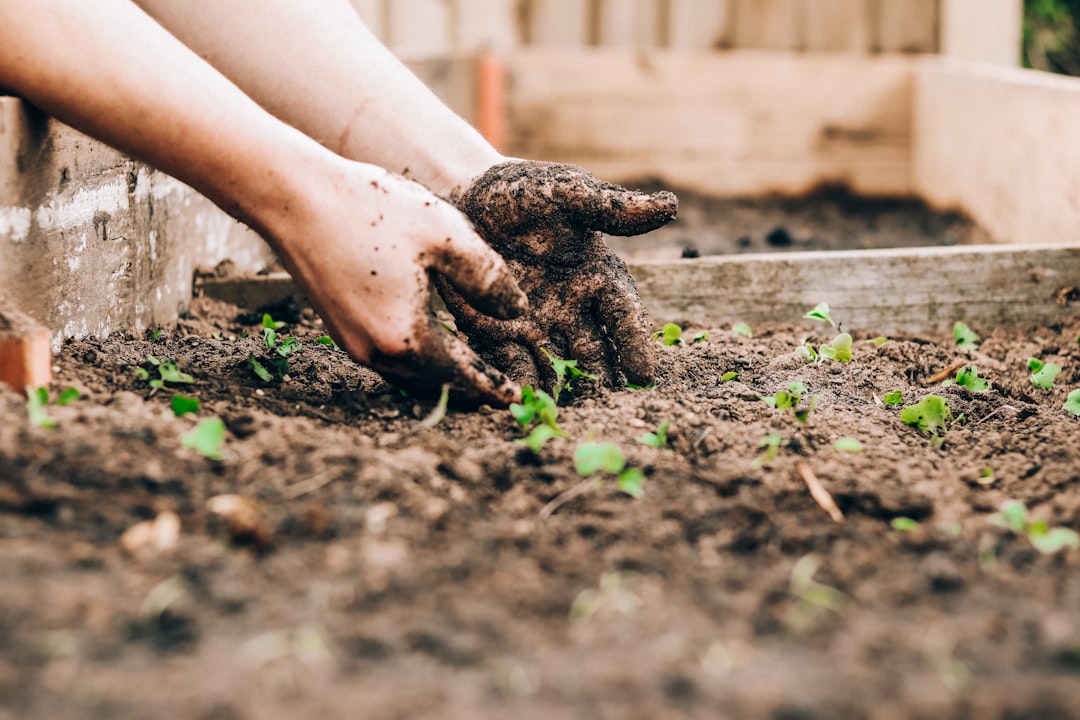
Every spring, Kitsap County gardeners face the same frustrating pattern: seedlings go in the ground, the rain keeps falling, and within weeks something is spotting, wilting, or rotting. This isn't bad luck. It's the predictable result of a climate that gives fungal pathogens exactly what they need to thrive, year after year, and the problem is getting worse as our wet seasons stretch longer and our summers arrive later.
Why Kitsap's Spring Weather Is a Fungal Breeding Ground
Fungal spores don't need much to get established: moisture, moderate temperatures, and still air. Kitsap County's spring pattern delivers all three in abundance. Overcast skies keep daytime temperatures hovering in that 50–65°F sweet spot where many fungal pathogens reproduce fastest. Meanwhile, persistent drizzle and heavy dew keep leaf surfaces wet for hours longer than in drier climates, giving spores the window they need to germinate and penetrate plant tissue. Add in our region's naturally poor-draining soils in many low-lying yards, and you get a double threat: wet foliage above ground and waterlogged root zones below. Roots sitting in saturated soil become stressed and more vulnerable to root rot pathogens, while wet leaves above become an open invitation to blights and mildews.What Most Gardeners Don't Know
Many gardeners assume fungal disease is simply a matter of bad timing or an unlucky season. In reality, the same fungal spores overwinter in Kitsap soil, on fallen leaves, and on garden debris every single year. A wet spring doesn't introduce the problem — it activates a population of spores that was already waiting in the garden from the previous season. This is why gardens that had blight, powdery mildew, or damping-off issues last year are far more likely to see them return, often earlier and more aggressively, the following spring. It also explains why fungal pressure has been building cumulatively across Kitsap County rather than staying flat. Each wet season adds to the spore reservoir in untreated soil and uncleaned beds, which is one reason late blight has been spreading through Kitsap County gardens with more intensity in recent years.The Diseases Kitsap Gardeners See Most
Several fungal and fungal-like problems show up reliably once spring rains settle in: Damping-off attacks seedlings at the soil line, causing them to collapse almost overnight. It thrives in cold, wet, poorly drained starting mix and is one of the most common reasons direct-sown spring crops fail before they ever get established. Powdery and downy mildew spread quickly on crowded plantings where air can't move freely between leaves. Downy mildew in particular favors the cool, damp conditions Kitsap sees well into June some years. Late blight remains one of the most destructive threats to tomatoes and potatoes in wet years, spreading rapidly through foliage once conditions turn consistently damp. Root rots develop quietly in waterlogged beds, weakening plants from below before any above-ground symptoms appear. These four issues, along with slugs and aphids, consistently rank among Kitsap County's biggest summer garden threats, and wet spring conditions are almost always the trigger that sets the season's disease pressure in motion.Why the Problem Compounds Year Over Year
Fungal disease in Kitsap gardens rarely resets to zero each winter. Spores overwinter in plant debris, garden soil, and even on tool surfaces. If a bed had blight or mildew this year and the debris wasn't fully removed, that same bed carries a head start on infection the following spring — often needing less moisture and fewer favorable days to trigger an outbreak. This is compounded by the fact that Kitsap's summer rainfall has become less predictable overall, with wet stretches appearing outside the traditional spring window. As we've noted when managing unpredictable summer rainfall in Kitsap County, gardens that once dried out reliably by July are now sometimes staying damp much longer, extending the fungal risk period well past when many gardeners stop watching for it.Practical Steps That Actually Reduce Fungal Pressure
While no gardener can control the weather, several practices meaningfully reduce how much damage a wet spring causes: Improve drainage before planting. Standing water and saturated root zones are one of the biggest contributors to root rot and general plant stress. If beds stay soggy for more than a day after rain, fixing drainage issues in waterlogged beds should be a priority before the next planting season. Increase airflow. Space plants further apart than seed packets suggest for our climate, and prune lower leaves on tomatoes and squash to keep foliage off wet soil. Water at the soil line, not overhead. Drip irrigation or soaker hoses keep leaves dry, removing one of the two conditions fungal spores need most. Clean up debris aggressively. Remove and dispose of (don't compost) any diseased foliage at the end of the season rather than letting it break down in place, where it will reintroduce spores the following spring. Rotate by plant family. Because many fungal pathogens are family-specific, rotating heavy feeders like tomatoes and squash away from where they grew the previous three to four years reduces the chance that overwintering spores find a susceptible host waiting for them.Wet Springs Aren't Going Away
Kitsap County's maritime climate isn't changing its fundamental character anytime soon, and neither is the fungal pressure that comes with it. The gardeners who see the least disease damage each year aren't the ones with the driest yards — they're the ones who treat drainage, airflow, and debris removal as a routine responsibility rather than an occasional afterthought. Understanding that this year's wet spring is compounding, not resetting, is the first step toward breaking the cycle.
"Holly completely transformed our estate! From planning raised beds to planting a variety of vegetables, she made everything so simple and approachable. Not only do we have a thriving garden now, but she taught us how to care for it ourselves. Her passion and knowledge are unmatched - I can’t recommend her enough!"
Lori H.
Private Gardening Client