
Potatoes or Sweet Potatoes: Which Feeds Kitsap County Better?
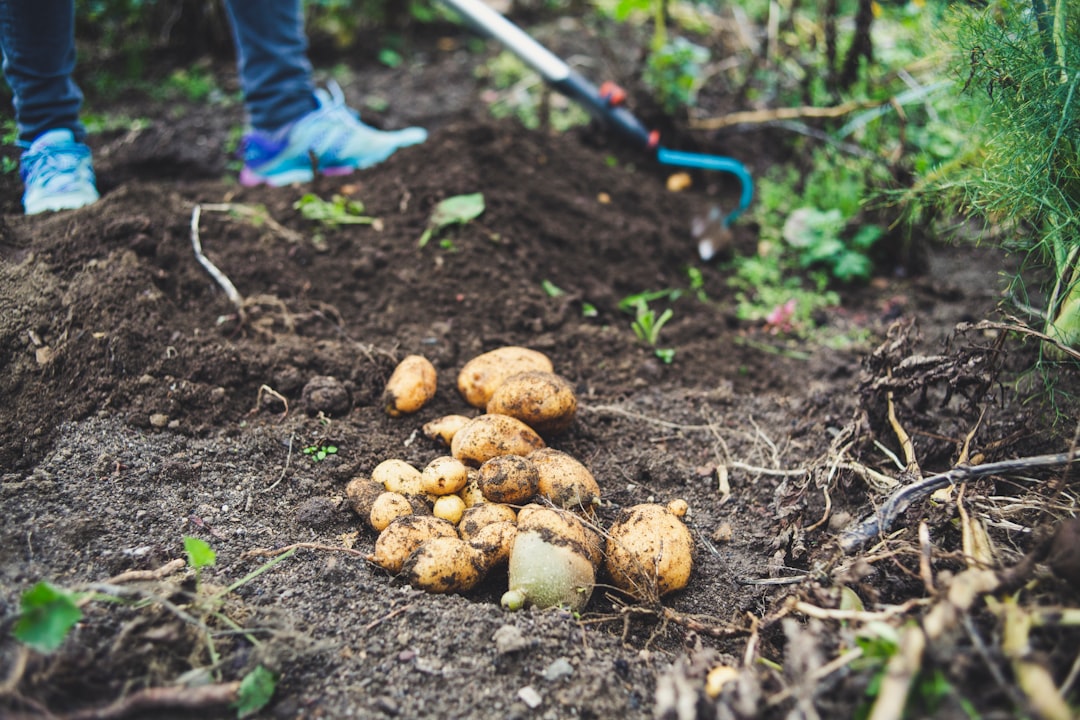
Two Root Vegetables, One Pacific Northwest Garden
Walk into any Kitsap County farmers market or backyard garden and you'll find potatoes. They've been a Pacific Northwest staple for generations — reliable, productive, and deeply suited to our cool, moist growing season. Sweet potatoes, on the other hand, have been gathering interest lately, showing up in seed catalogs alongside bold claims about their nutrition, yield, and adaptability. So which one actually belongs in your Kitsap garden bed?
This isn't a nutrition article. It's a grower's comparison — rooted in what our local climate, soil, and growing calendar actually support. Let's break it down honestly.
Understanding the Botanical Difference (It Matters for Rotation)
Here's something most gardeners don't know: potatoes and sweet potatoes are not even close relatives. Potatoes belong to Solanaceae — the same family as tomatoes, peppers, eggplant, and tomatillos. Sweet potatoes belong to Convolvulaceae, the morning glory family, and are an entirely separate botanical group with different soil needs, pest vulnerabilities, and rotation requirements.
At Roots and Wings Gardening, we manage beds by botanical family rather than individual plant, because plants in the same family share soil chemistry, pest profiles, and companion relationships. That means rotating potatoes with tomatoes or peppers counts as the same family. Sweet potatoes, however, rotate independently — which can actually be a strategic advantage in a well-planned bed system. If you're working on growing potatoes in Kitsap County, knowing that distinction helps you build a smarter multi-year rotation from the start.
Rotation rule reminder: Never plant Solanaceae — including potatoes — in the same bed within three to four years. Follow them with nitrogen-building Fabaceae (beans, peas, favas), then soil-restoring families like Amaranthaceae or Apiaceae before cycling back.
How Kitsap County's Climate Favors Potatoes
Kitsap County sits in USDA Zone 8, which gives us mild winters and cool, wet springs — an almost ideal environment for growing potatoes. Cool soil temperatures in early spring actually protect seed potatoes from rot and encourage steady, even sprouting. Our long, overcast springs give potato foliage time to develop before the heat of summer arrives. And our reliably moist soil through June reduces the need for intensive irrigation during the critical tuber-formation stage.
Potatoes planted here in late March through April — once soil temperatures reach at least 45°F — typically produce substantial harvests by July and August. Varieties like Yukon Gold, German Butterball, Adirondack Blue, and fingerlings like La Ratte all perform well in Kitsap's conditions. Maincrop varieties given a full season through September can yield impressive storage crops for families focused on food self-sufficiency.
Because potatoes are heavy feeders, they benefit from well-amended soil — but Kitsap's naturally organic-rich soils (especially in beds that have been managed regeneratively over multiple seasons) often provide much of what they need. Be cautious with fresh manure, which can promote scab. Aged compost worked in before planting is the better path.
One genuine challenge in Kitsap: our wet spring weather creates slug pressure that can damage emerging foliage. If you're managing that issue, our piece on winning the slug battle in Kitsap County is worth reading before your potato plants break the soil surface.
The Sweet Potato Question: Can Kitsap's Climate Deliver?
Sweet potatoes are warm-season crops that originate in tropical and subtropical climates. They need long, warm summers — typically 100 to 140 frost-free days with consistent soil temperatures above 65°F — to produce meaningful yields. That's a significant ask in a county where our warmest months often struggle to push sustained heat.
Can they be grown here? Yes, under the right conditions and with deliberate effort. We've written specifically about this on our growing sweet potatoes in Kitsap County page, and the short version is: it's possible, but it requires raised beds, black plastic mulch or similar soil-warming techniques, a south-facing exposure, and variety selection focused on short-season cultivars like Beauregard or Georgia Jet.
The variety most commonly sold as "garnet yam" at grocery stores — the dark-skinned, orange-fleshed type — is actually a sweet potato, not a true yam. True yams are a completely different botanical genus (Dioscorea) and are rarely grown in Pacific Northwest home gardens. For comparison purposes in this article, "sweet potato vs garnet yam" essentially means the same plant under different market names. Garnet, Jewel, and Beauregard are all Ipomoea batatas varieties that perform similarly in our conditions.
The challenge in Kitsap isn't just heat — it's the length of warmth. Our last frost typically falls in mid-April, and our first fall frost can arrive by mid-October. That's roughly a 180-day frost-free window on paper, but sweet potatoes need the soil, not just the air, to stay warm. Our overcast summers mean soil temperatures often lag behind even on frost-free days.
Growers who succeed with sweet potatoes here tend to start slips indoors six weeks before transplanting, use raised beds to capture heat, apply black or red plastic mulch to warm the soil two to three weeks before planting, and choose the sunniest, most sheltered spots in the garden. Even then, yields are often modest compared to what the same bed would produce in potatoes.
Nutritional Comparison: Does It Change the Calculation?
From a home food production standpoint, nutrition matters — but only if the crop actually grows well enough to feed your family reliably. That said, the nutritional differences between potatoes and sweet potatoes are real and worth naming.
Sweet potatoes are significantly higher in beta-carotene (the precursor to vitamin A), and the orange-fleshed varieties like Garnet contain extraordinary amounts of it. They also tend to be higher in vitamin C and certain antioxidants. Potatoes, on the other hand, are excellent sources of potassium, vitamin B6, and resistant starch — particularly when cooked and cooled. Both crops provide meaningful calories from complex carbohydrates, which matters for families building genuine food self-sufficiency.
The honest answer is: if you can grow both, grow both. But if your garden space is limited and you're making a practical decision based on what Kitsap County's climate will reliably support, potatoes win the reliability comparison by a wide margin.
Bed Space, Yield, and Return on Investment
Potatoes are one of the highest-yielding crops per square foot in a Kitsap garden when conditions are favorable. A single 4x8 raised bed planted with seed potatoes can yield 15 to 25 pounds of tubers in a good season. They also store well through winter in a cool, dark environment — making them a genuine food security crop for families who think beyond the fresh-eating season.
If you're interested in long-term storage preservation from your garden, our guide to canning your Kitsap County harvest covers methods that work well for potato-based soups and other preservation approaches.
Sweet potatoes, when they do produce in Kitsap, can also yield reasonably well — but the investment of effort (warming the soil, starting slips, protecting from early cold) is substantially higher. And in a cool or overcast summer, yields can be disappointing even when you've done everything right.
For gardeners focused on maximizing caloric output and storage potential from a small space, potatoes are simply the more dependable choice in our climate.
Pest and Disease Profiles in Kitsap County
Potatoes in Kitsap face a few specific challenges. Late blight (Phytophthora infestans) is the most serious concern — our cool, wet conditions are exactly what this disease thrives in. Choosing blight-resistant varieties like Sarpo Mira or Elba, avoiding overhead watering, and planting in well-drained beds all reduce risk substantially. Wire worms can also affect potato crops, particularly in beds that were previously lawn. Our friends the ground beetles are actually natural predators of wireworm larvae — another reason to support a healthy beetle population in your garden ecosystem.
Sweet potatoes have fewer serious pest and disease issues in Kitsap, partly because they're not as commonly grown here — there's simply less established pest pressure for this crop. However, voles and mice can damage the roots, and any surface left exposed to persistent moisture risks rot. The vining foliage, while attractive, can also become a slug habitat if you're not managing populations through the season.
From a rotation standpoint, growing sweet potatoes in Kitsap also gives you a Solanaceae-free option for beds recovering from a heavy potato, tomato, or pepper cycle — which is a genuine planning advantage in tight spaces.
Companion Planting and Ecosystem Integration
Potatoes grow well alongside horseradish (said to deter Colorado potato beetle, though less of a Kitsap concern), beans, and certain brassicas. Avoid planting potatoes near tomatoes, peppers, or eggplant — not just because of rotation rules but because they share pest and disease vectors, particularly blight. Avoid planting near sunflowers or fennel as well.
Sweet potatoes, being in the morning glory family, integrate differently. Their sprawling vines make excellent living mulch between taller crops and can suppress weeds when given room. They don't have the same family conflicts as Solanaceae crops, giving you more companion flexibility. Their flowers attract pollinators — another small ecosystem benefit in a garden trying to support native bee populations. Our piece on native bees outperforming honeybees in Kitsap County gardens is worth reading if pollinator support is part of your garden's mission.
Growing Both: The Case for a Split Strategy
Many Kitsap gardeners don't need to choose one over the other — they need a strategy that gives each crop the conditions it requires. If you're working with a larger garden or multiple raised beds, consider dedicating your warmest, most sheltered, south-facing bed to sweet potatoes and using your remaining beds for reliable potato production.
This split approach also benefits your rotation plan. With two different families in play — Solanaceae for potatoes and Convolvulaceae for sweet potatoes — you have more flexibility across a four-year rotation cycle. Follow both with nitrogen-fixing cover crops to rebuild soil before cycling back to other heavy feeders.
If you're new to building that kind of structured growing system, our broader planning work is a good starting point — particularly thinking through your garden's long-term bed rotation alongside perennial and annual crops. The concept of a layered, intentional growing system is something we explore in depth in our guide to planning a Kitsap County food forest.
The Verdict: Which Feeds Kitsap County Better?
For most Kitsap County families — especially those focused on reliable yield, food storage, and practical self-sufficiency — potatoes are the stronger choice. They are well-suited to our cool, moist growing conditions, they yield heavily per square foot, they store through winter without special equipment, and they integrate cleanly into a family-scale rotation system.
Sweet potatoes are worth growing if you have a warm, south-facing bed, are willing to invest in soil-warming techniques, and choose short-season varieties. They add nutritional diversity, rotation flexibility, and a different kind of beauty to the garden — and in a good summer, they can produce a satisfying harvest. But they require more effort for less certainty in our climate.
Grow potatoes as your staple. Grow sweet potatoes as your experiment. And in either case, keep your beds healthy, your rotation honest, and your soil biology thriving — because that's what makes the difference between a good harvest and a great one, no matter what's growing underground.

