Raised Bed Versus Ground Gardening: Which Wins in Kitsap County?
If you've spent any time researching pacific northwest gardens, you've probably encountered this debate: raised beds or in-ground growing? Both have vocal champions online. But most of that advice is written for gardeners in the Midwest, California, or the Southeast — climates that behave nothing like Kitsap County's cool, wet winters, clay-heavy soils, and short but productive summers.
At Roots and Wings Gardening, we work with families across Kitsap, Pierce, and Mason Counties who are building real food-growing systems — not just experimenting for a season. The answer to raised bed versus ground gardening isn't universal. It depends on your soil, your goals, your budget, and how you plan to use your space over the long term. Let's break it down honestly.
Why Kitsap County's Conditions Change the Calculation
Kitsap County gardens face a specific set of challenges that make this debate more consequential than it might be elsewhere. The region's native soil in most neighborhoods is heavy clay — slow to drain, prone to compaction, and often waterlogged from October through May. That clay soil holds nutrients well but suffocates roots when saturated. Summers are genuinely productive but arrive late, with reliable warmth often not settling in until mid-June or even early July.
These conditions don't make in-ground growing impossible. But they do mean that your choice of method carries real consequences — particularly for crops that need excellent drainage, early warmth, or loose soil to develop properly. If you're battling clay and haven't addressed it yet, the guide on managing clay soil in Kitsap County is worth reading before you put anything in the ground.
The Case for Raised Beds in Kitsap County
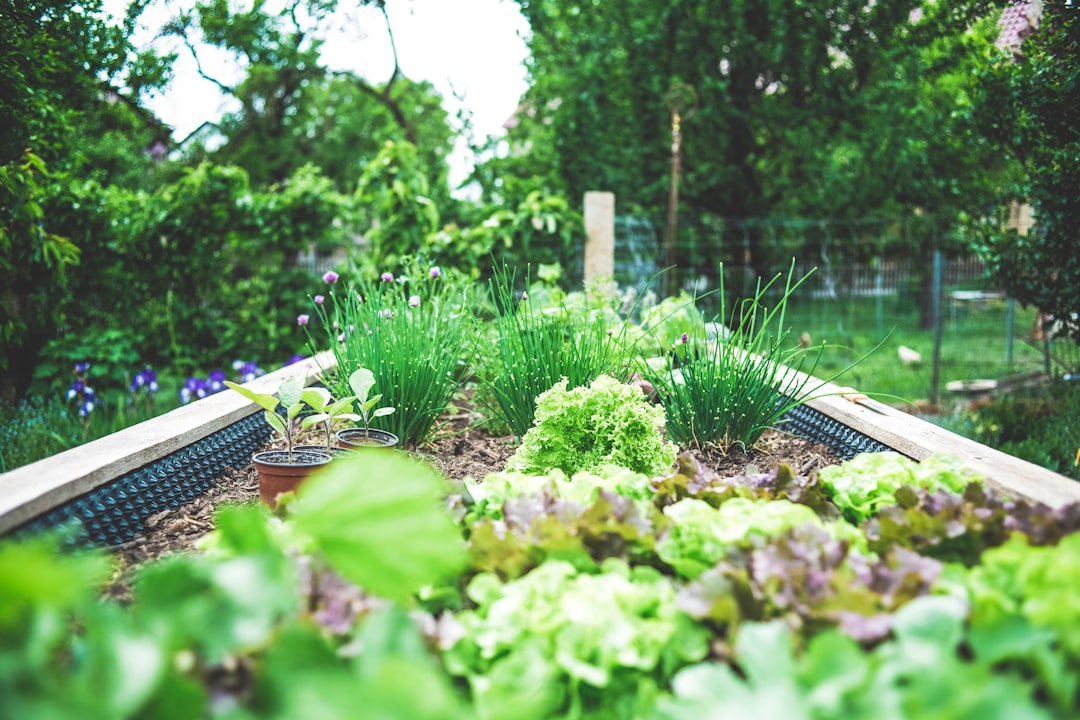
Raised beds solve several of Kitsap County's most stubborn gardening problems at once. They elevate your growing medium above the native soil, which means drainage improves immediately and dramatically. They warm up faster in spring — sometimes weeks earlier than the surrounding ground — which matters enormously in a climate where the growing window is already compressed. And because you control the soil that goes into them, you're not inheriting decades of compaction, clay, or nutrient depletion.
For families who are new to growing food, raised beds lower the barrier to entry in meaningful ways. The soil is workable from the start. Weeds are more manageable. Root crops like carrots and parsnips — crops that demand deep, loose, well-drained soil — actually have a chance in a properly filled raised bed, whereas Kitsap clay can deform and stunt them badly in-ground.
A raised garden bed kit 4x8 is one of the most common starting points for Kitsap families, and for good reason. A 4x8 footprint gives you 32 square feet of productive space, which is enough to grow meaningful quantities of salad greens, herbs, tomatoes, and cool-season crops without overwhelming a beginner. The 4-foot width means you can reach the center from either side without stepping in and compacting the soil — one of the most common ways gardeners unknowingly undermine their own results.
Raised beds also make crop rotation more organized. At Roots and Wings Gardening, we rotate by botanical family rather than individual plant, following heavy feeders like tomatoes and cucumbers with nitrogen-building legumes, then soil-restoring crops like carrots and beets. In a system of clearly defined raised beds, tracking that rotation is straightforward — each bed has a history you can plan around. If you're thinking through companion planting within those beds as well, the guide on companion planting combinations that actually work in Kitsap County will give you a strong foundation.
What to Put in a Raised Bed in Kitsap County
Not all raised bed soil mixes perform equally in this climate. The Pacific Northwest's persistent moisture means your mix needs to drain freely while still retaining enough nutrients and structure to support heavy-feeding crops. A common starting point is a blend of compost, aged bark fines or coir, and a small percentage of native soil or topsoil to add mineral density. Avoid mixes that are primarily peat — they can become hydrophobic when they dry out in summer, which Kitsap gardens do experience during the July-August dry stretch.
Building your soil biology from the start matters as much as the physical mix. Learning to compost at home means you'll always have a source of finished compost to top-dress your raised beds each season, which is exactly how productive raised beds stay productive year after year.
The Case for In-Ground Growing in Kitsap County
In-ground growing isn't a consolation prize. For families with enough space, the right crops, and a willingness to invest in soil improvement over time, it offers real advantages that raised beds simply can't match.
Scale is the most obvious one. You cannot affordably build enough raised beds to grow serious quantities of winter squash, corn, potatoes, or garlic for a household that wants to eat from the garden year-round. These crops need room, and room in raised beds is expensive. An in-ground bed amended with years of compost and cover crops can support those crops beautifully — and at a fraction of the cost per square foot.
In-ground soil also develops microbial life and mineral complexity over time in ways that containerized or raised bed soil struggles to replicate. Earthworms move freely through it. Fungal networks develop between plant root systems. Cover crops sown in fall fix nitrogen, break up compaction, and add organic matter in ways that genuinely transform Kitsap clay into something workable over two to three seasons. That transformation is slow, but it's real and lasting.
For crops that sprawl — zucchini, winter squash, cucumbers trained on a fence, corn requiring a block planting for pollination — in-ground growing is almost always the more practical choice. A 4x8 raised bed can support one zucchini plant. An in-ground patch of the same family can support your whole summer's worth of cucurbits with room to rotate.
Perennial food plants belong in the ground almost without exception. Blueberries, raspberries, strawberries, garlic beds you intend to maintain for years — these all want to put roots deep and build relationships with the soil around them. Trying to contain them in raised beds adds cost and often limits their long-term productivity. If you're planning a berry patch, the guides on growing blueberries, raspberries, and strawberries in Kitsap County will walk you through site preparation and variety selection.
What Each Method Does Better in Pacific Northwest Gardens
Rather than declaring a winner, it's more useful to think about which crops and goals align with each approach in pacific northwest gardens like those in Kitsap County.
Raised beds excel for: Tomatoes and peppers that need early warmth and excellent drainage. Root crops requiring loose, deep, stone-free soil. Salad greens and herbs in small-space or patio gardens. Crops you want to extend into fall with row cover. Any situation where native soil quality is severely limiting and the gardener isn't ready for a multi-year soil improvement project.
In-ground growing excels for: Large-scale cucurbit plantings. Corn. Potatoes. Perennial fruits and herbs. Cover crop rotations that build soil across an entire growing area. Families building long-term food self-sufficiency who want productive acreage, not just a few tidy boxes.
Many of the most productive family gardens in Kitsap County use both. A few raised beds — often that classic raised garden bed kit 4x8 size — handle the high-value, space-efficient crops where soil control matters most. The in-ground areas, amended and rotated over years, handle the heavy hitters that need scale. That combination is where gardening in this region starts to feel genuinely capable of feeding a family.
Drainage Is Non-Negotiable in Either System
Whatever method you choose, drainage deserves serious attention before you plant anything. Kitsap County's wet winters mean that standing water in your garden beds — raised or in-ground — is a real risk, and saturated roots kill plants as efficiently as drought does. Raised beds with proper depth and a well-draining mix solve this almost automatically. In-ground beds need amendment, possibly a drainage layer, and in some cases a dedicated rain garden or stormwater management approach if your yard holds water seasonally.
Mulching is part of the solution too — it moderates soil moisture in summer and protects soil structure in winter. The guide on choosing the right mulch for your Kitsap County garden covers the options specific to this climate.
Starting Where You Are
If you're a beginning gardener in Kitsap County, starting with one or two raised beds is a reasonable and forgiving entry point. You'll grow food quickly, troubleshoot in a manageable space, and develop the observation skills that make you a better gardener. The full guide to building raised garden beds in Kitsap County covers soil selection, drainage setup, and plant placement in detail.
If you're ready to grow more seriously — feeding your household through winter, building real food self-sufficiency, managing a larger property — in-ground growing needs to be part of your system. Start amending. Plant cover crops in fall. Give yourself two to three seasons and you'll be working with soil that's genuinely transformed.
At Roots and Wings Gardening, we help families across Kitsap, Pierce, and Mason Counties build growing systems that are grounded in how this specific land, climate, and ecosystem actually behave — not how gardening books written for other regions say it should work. Both raised beds and in-ground growing have a place in that picture. The skill is knowing which tool serves which goal, and building a garden that can do both.