
Squash Planted Too Early? Kitsap County's Soil Temperature Secret
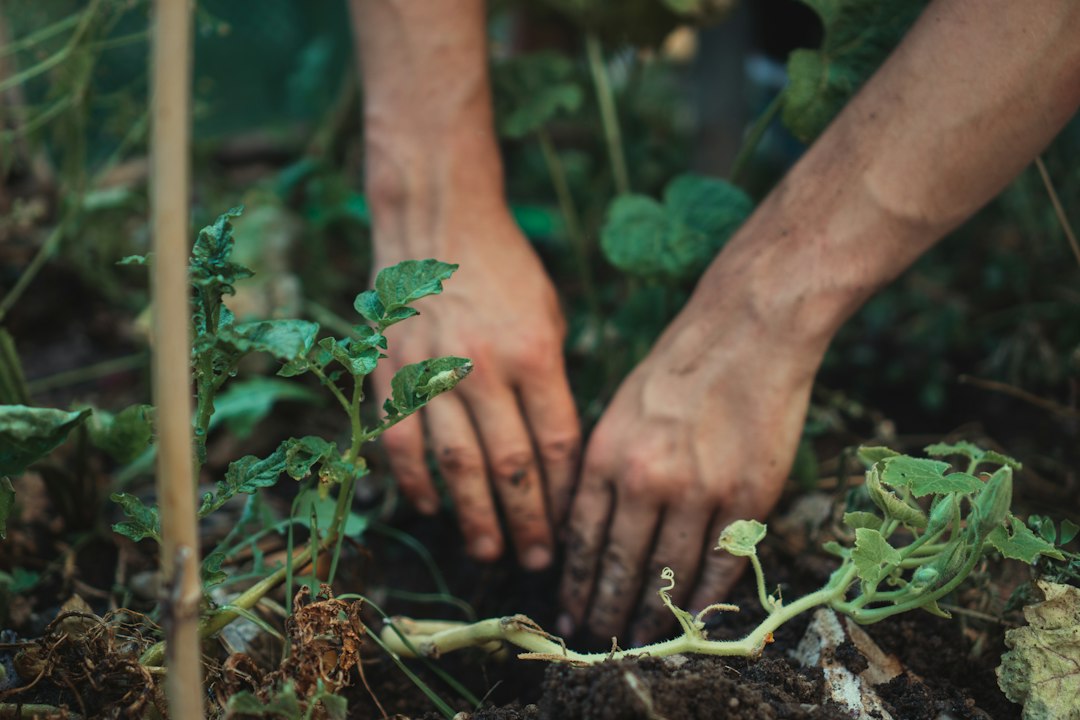
Every spring, Kitsap County gardeners eye the calendar, see a stretch of 60-degree days, and rush cucumber, zucchini, melon, and squash seedlings into the ground. Weeks later, those same plants are sitting stubbornly in place, yellowing at the edges, or rotting at the base while beans and brassicas planted the same week take off. The culprit almost never shows up on a weather app: it's soil temperature, not air temperature, that determines whether cucurbits thrive or stall.
Cucumbers, zucchini, summer and winter squash, melons, and pumpkins are all members of the Cucurbitaceae family, and they share one non-negotiable requirement—warm root zones. Germination and healthy root establishment require soil consistently above 60°F, with 70–95°F being the true sweet spot. Kitsap's maritime climate keeps spring soil stubbornly cool well into May, even when air temperatures feel balmy. A thermometer pushed four inches into your bed tells a very different story than the forecast does.
What Most Gardeners Don't Know
Cucurbit seeds and transplants placed into soil below 60°F don't just grow slowly—they often suffer irreversible chilling injury. Roots stop absorbing nutrients properly, seed coats can rot before germination, and young transplants sit in suspended animation, vulnerable to the same fungal pathogens discussed in wet springs and worsening fungal disease. This is a major reason zucchini plants drop flowers before fruit ever sets—a stressed root system from an early, cold start never fully recovers, even once summer heat arrives.
Soil Requirements That Actually Matter
Beyond temperature, squash soil requirements include loose, well-draining, nutrient-dense ground. Cucurbits are heavy feeders, which is exactly why our rotation plan follows them with nitrogen-fixing Fabaceae crops the following season. Before planting, work in finished compost and confirm drainage is adequate—waterlogged, cold soil is the single worst combination for these crops. If you're unsure where your beds stand, soil testing in Kitsap County will tell you far more than guesswork.
Best Soil for Cucumbers in Pots
Container growing sidesteps some of Kitsap's cold, slow-to-warm clay, but only if the mix is right. The best soil for cucumbers in pots is a loose, fast-draining blend—roughly equal parts quality compost, coconut coir or peat, and perlite or pumice. Avoid dense native soil in containers entirely; it compacts, stays cold longer, and suffocates roots. Dark-colored pots actually help here, absorbing sun and warming the root zone faster than garden soil ever will.
How Much Soil Do Cucumbers Need
Undersized containers are a quiet yield-killer. Cucumbers need a minimum of 5 gallons of soil per plant, with 7–10 gallons producing noticeably stronger vines and more consistent fruiting. Shallow or narrow pots dry out fast and overheat on hot afternoons, then cool rapidly at night—exactly the temperature swings cucurbits dislike. A deep, wide container buffers against both extremes, which matters in a region where you're already managing Kitsap County's unpredictable summer rainfall.
Planting Tips for Kitsap County Timing
- Wait until soil at 4 inches deep holds steady above 60°F for at least a week before direct sowing or transplanting.
- Use black plastic mulch or dark compost to pre-warm beds 1–2 weeks ahead of planting.
- If you must start early, use walls of water for season extension rather than planting into bare, cold ground.
- Pair early plantings with floating row cover removed only after soil temps stabilize.
- Check your bed history—cucurbits should not follow squash, melons, or pumpkins from the prior season; review crop rotation done right before deciding where to plant.
Patience pays here. A cucurbit transplant held back two extra weeks until soil warms properly will almost always outpace one rushed into cold ground, producing earlier and more reliably once true summer heat settles in. For variety-specific guidance once your soil is ready, see our full guides on growing cucumbers, growing zucchini, and pumpkins worth growing this season.

