
Zucchini Dropping Flowers Before Fruit Sets in Kitsap County
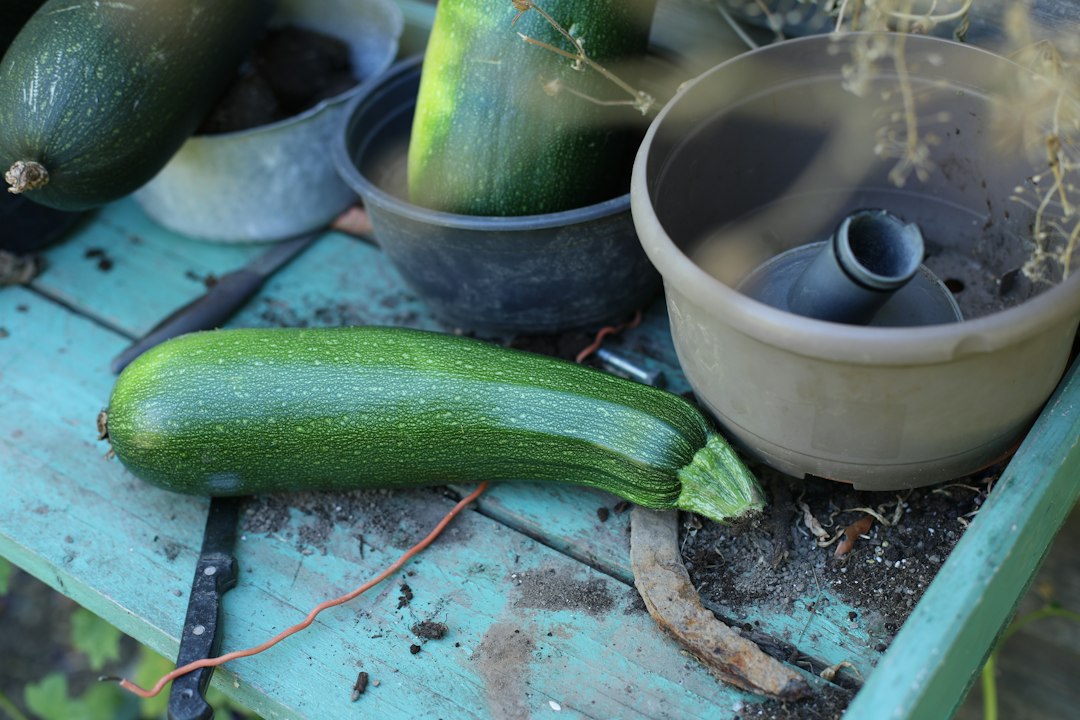
If you've been staring at a zucchini plant covered in bright yellow flowers that shrivel up and drop off without ever becoming squash, you're not doing anything wrong — you're watching basic plant biology collide with Kitsap County's weather. This is one of the most common questions we hear from frustrated gardeners in Kitsap, Pierce, and Mason Counties every June and July, and the answer almost always comes down to understanding zucchini male and female flowers.
Zucchini plants produce two distinct types of blossoms on the same plant. Male flowers grow on long, thin stems and typically appear first, sometimes two to three weeks before any female flowers show up. Female flowers are easy to spot once you know what to look for: they sit atop a small, swollen bulge that looks like a miniature zucchini already forming. That bulge is the ovary, and it will only develop into a full-sized squash if pollen from a male flower successfully reaches it.
Why does my zucchini plant only have male flowers?
Early in the season, it's completely normal for a zucchini plant to produce nothing but male flowers. This is a built-in survival strategy — the plant is essentially advertising to pollinators before it invests energy into fruit production. In Kitsap County's cool spring soil, where nighttime temperatures often linger in the 40s well into May, plants under stress tend to delay female flower production even longer. If you're seeing only male blooms for what feels like forever, patience is usually the answer, not intervention. Female flowers typically follow within a couple of weeks once the plant matures and conditions warm slightly.
The pollination gap
Even once both flower types appear, pollination isn't guaranteed. Each flower is only open and receptive for a single day, usually in the morning. If bees aren't active during that narrow window — which happens often during Kitsap's wet, overcast spring stretches — the female flower closes unpollinated, yellows, and drops. This is functionally similar to the blossom drop issues we've covered in tomato blossom drop, where timing and environmental stress interrupt a process that should otherwise be straightforward.
Cool, damp mornings reduce bee flight activity significantly. Bumblebees tolerate cooler temperatures better than honeybees, but if overcast skies and drizzle persist through the flower's single-day window, no pollinator visits at all, and the flower simply aborts. This is especially common on properties with limited native bee habitat nearby — something we discuss in more depth in our piece on native bees outperforming honeybees in local gardens.
Hand pollination as insurance
Given how unpredictable Kitsap's early summer weather can be, hand pollination is a simple, reliable fix. Using a small paintbrush or cotton swab, transfer pollen from the center of a freshly opened male flower directly onto the stigma at the center of a female flower, ideally between 7 and 10 a.m. when flowers are fully open. This takes less than a minute per plant and removes the guesswork entirely. Many home chefs and beginner gardeners we work with in Kitsap find this single habit solves the problem almost overnight.
Zucchini plu and other confusing terms
If you've searched for "zucchini plu" while troubleshooting this issue, you're likely looking for general information on zucchini plant biology and growth stages rather than a specific term — there's no distinct horticultural concept by that name. The core issue almost always traces back to the male-to-female flower ratio and pollination success rate described above.
Supporting conditions that help
Beyond pollination mechanics, overall plant health affects flower viability. Zucchini is a heavy feeder in the Cucurbitaceae family, and inconsistent watering or nutrient stress can cause plants to abort fruit even after successful pollination. Make sure beds have consistent moisture and were prepped with adequate organic matter; our guide on raised bed soil mixes covers common setup mistakes that lead to stressed cucurbits later in the season. Attracting more pollinators overall also helps close the gap — see our notes on how to attract pollinators to your garden for practical steps that benefit squash, cucumbers, and melons alike.
If flower drop continues well into July despite hand pollination, check for companion planting gaps or pest pressure that may be deterring bees from visiting your bed at all; our article on companion planting to keep squash beetles away addresses a related issue that can compound pollination problems. For a full rundown of variety selection and planting timing suited to our climate, our comprehensive zucchini growing guide for Kitsap County is the best starting point.


"Holly completely transformed our estate! From planning raised beds to planting a variety of vegetables, she made everything so simple and approachable. Not only do we have a thriving garden now, but she taught us how to care for it ourselves. Her passion and knowledge are unmatched - I can’t recommend her enough!"
Lori H.
Private Gardening Client