
Leeks vs. Onions: Which Allium Wins in Kitsap County?
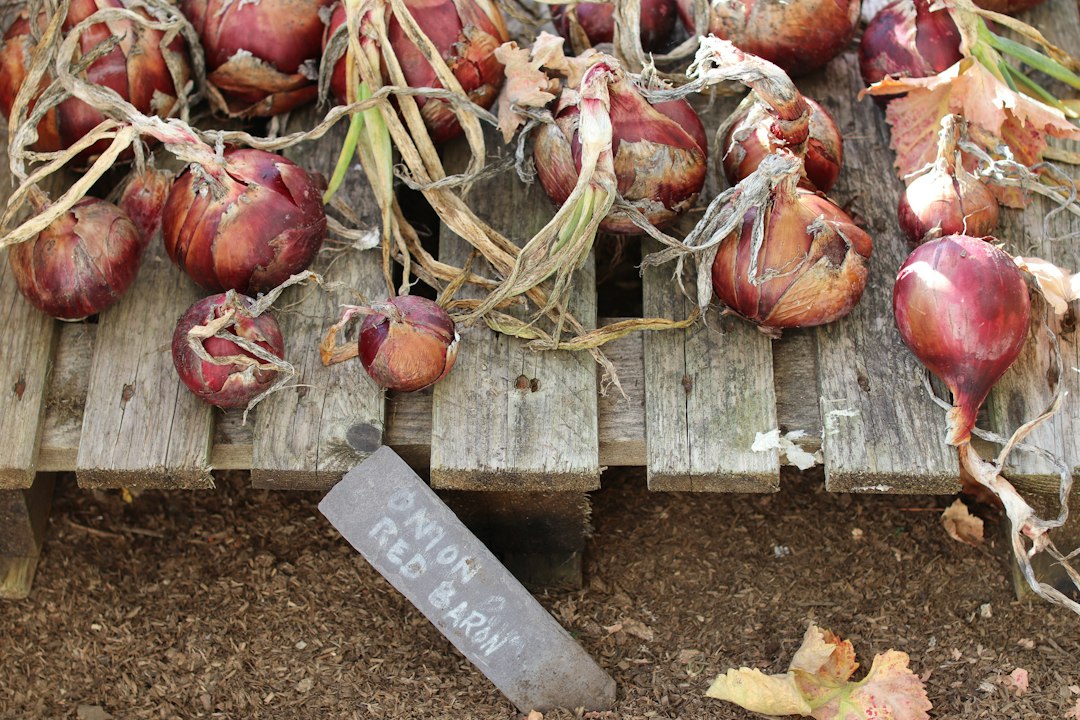
Walk into any Kitsap County garden come August, and you'll likely spot both leeks and onions standing shoulder to shoulder in the same bed. That's no accident — both belong to the Allium family, alongside garlic, shallots, chives, scallions, and ramps, and they share nearly identical soil preferences, pest pressures, and companion relationships. But when it comes to actually feeding your family from Pacific Northwest soil, these two alliums perform very differently.
**Why Leeks Handle Kitsap's Climate Better**
Onions are notoriously finicky about daylight hours and bulb formation, and Kitsap's maritime climate — with its long, cool, overcast stretches — doesn't always deliver the sunlight onions crave to size up properly. Leeks, by contrast, don't need to form a bulb at all. They simply thicken their stalk over a long growing season, which plays perfectly into our extended, mild autumns and winters. A leek left in the ground through November or even December will only get sweeter, while an onion left too long risks rot from our persistent fall rains.
This difference becomes especially relevant during our unpredictable summer rainfall swings. Onions sitting in waterlogged soil are prone to neck rot and disease, while leeks' deeper root structure and more forgiving harvest window make them noticeably more resilient. If you've been battling drainage issues in your beds, that alone might tip the scales toward leeks.
**Where Onions Still Win**
That said, onions aren't without their strengths. They store far longer than leeks once cured properly — a cured storage onion can last through winter in a cool, dry space, while leeks are best used fresh or left in the garden as a "living root cellar." Onions also pack a more versatile flavor punch for everyday cooking, from soups to sautés, and take up less horizontal space per plant.
One challenge onion growers in our region face repeatedly is premature flowering. If you've dealt with stalks shooting up seed heads before the bulb has matured, you're not alone — check out our guide on bolting onions in Kitsap County for causes and fixes. Leeks are far less prone to this issue, another point in their favor for beginner gardeners.
**How Many Flowers Per Bulb? Understanding Allium Reproduction**
Whether you're growing food-crop alliums or ornamental varieties like Allium karataviense, it helps to understand how these plants reproduce. A single allium bulb typically produces one flower stalk (called a scape or umbel), but that umbel is actually a cluster made up of dozens to hundreds of tiny individual florets packed into a spherical or star-shaped head. Allium karataviense, a striking ornamental variety with broad, silvery-blue leaves, produces one large umbel per bulb that can contain 50 or more small star-shaped flowers, making it a favorite for gardeners wanting dramatic spring color without much fuss.
For edible alliums like onions and leeks, we generally don't want them to flower at all — bolting redirects energy away from bulb or stalk development and signals the plant has been stressed, usually by temperature swings or overcrowding. If you're growing alliums purely for ornamental impact, though, ornamental allium varieties are worth comparing against other spring bulbs for your landscape beds.
**Rotation and Bed Planning**
Since leeks and onions belong to the same botanical family, they should never follow each other — or garlic, shallots, or chives — in the same bed within a three to four year window. This is a cornerstone of our crop rotation approach, which manages soil health by family group rather than individual plant. After a season of alliums, follow with nitrogen-fixing legumes or soil-restoring root crops to keep your beds productive for years to come.
**What Most Gardeners Don't Know**
Many Kitsap gardeners assume leeks and onions need identical spacing and depth, but leeks actually benefit from a technique called "blanching" — hilling soil up around the stalk as it grows to produce that prized white, tender base. Onions need no such treatment; their bulb formation happens entirely at or below soil level. Skipping this step is one of the most common reasons homegrown leeks turn out tough and green nearly to the base.
If you're still deciding between the two, consider your kitchen habits first. Families who cook soups, stocks, and braises through the rainy season often find leeks more forgiving and productive here, while those who need onions for daily cooking — pairing well with everything from tomatoes to peppers — may want to grow both. For a deeper dive into cultivation specifics, see our full guide on growing leeks in Kitsap County and our companion piece on growing onions in Kitsap County. And if cool soil is your main obstacle, don't overlook how shallots outperform onions in cooler ground as a third allium option worth trying.
Ultimately, there's no single winner — leeks and onions each reward patient, family-focused growers in different ways. Understanding their shared family traits, distinct growth habits, and the way both interact with our maritime climate is what turns a confusing choice into a confident planting plan.


"Holly completely transformed our estate! From planning raised beds to planting a variety of vegetables, she made everything so simple and approachable. Not only do we have a thriving garden now, but she taught us how to care for it ourselves. Her passion and knowledge are unmatched - I can’t recommend her enough!"
Lori H.
Private Gardening Client