
Bolting Onions in Kitsap County: Causes and What To Do
A gardener walks out to check on onions that were growing beautifully all spring, only to find a thick, hollow flower stalk shooting up from the center of the plant. This is bolting, and it's one of the most common frustrations we hear about from families growing onions in Kitsap County. Once an onion bolts, it stops putting energy into the bulb and redirects everything toward producing seed. The good news is that bolting is almost always preventable once you understand what triggers it in our specific Pacific Northwest growing conditions.
What Bolting Actually Is
Onions are biennials by nature. In their first year, they grow leaves and store energy in a bulb. In their second year, they use that stored energy to flower and set seed. Bolting happens when an onion mistakenly thinks it has already lived through its first year and skips straight to reproduction — usually because it experienced a period of cold temperatures followed by warmth, which mimics winter followed by spring.
Why Kitsap County Onions Bolt More Than Gardeners Expect
Our maritime climate is exactly the kind of environment that confuses onions. Kitsap County regularly sees cold, wet stretches in early spring followed by sudden warm spells, and that temperature swing is the single biggest bolting trigger for onions started too early or transplanted while still small. A few other common causes we see in local gardens include:
- Transplanting onion sets too early into cold soil, especially before soil temperatures stabilize above 50°F
- Starting from oversized sets — any onion set larger than a dime has often already been vernalized (chilled) and is primed to bolt regardless of spring weather
- Stress from drought or waterlogging, both of which are common given how unpredictable Kitsap County summer rainfall can be
- Overcrowding in beds that haven't been thinned properly, which stresses individual plants
- Nutrient stress, particularly nitrogen deficiency early in the season when leafy growth should be the priority
Long Day Onion Varieties Matter More Here Than You'd Think
Kitsap County sits at roughly 47–48 degrees north latitude, which means we need long day onion varieties — onions that require 14 to 16 hours of daylight to trigger bulb formation. Short day and intermediate day varieties bred for southern latitudes are far more prone to premature bolting up here because our daylight patterns don't match what those varieties expect. If you've had repeated bolting problems, the variety itself may be the root cause rather than anything you did wrong.
Reliable long day onion varieties for our region include Walla Walla Sweet, Ailsa Craig, Copra, and Patterson. Copra and Patterson in particular are known for good bolt resistance and excellent storage life, which makes them a smart choice if bolting has been a recurring issue in your beds.
Long Day Red Onion Varieties Worth Growing
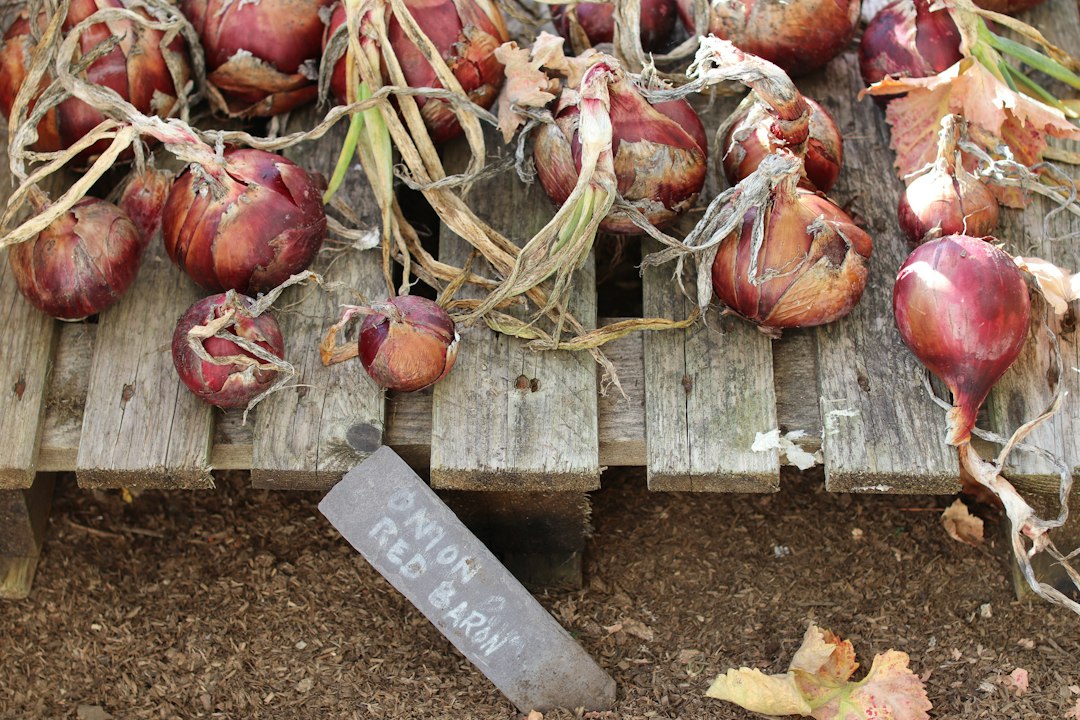
Gardeners chasing color and flavor diversity often ask about long day red onion varieties suited to our latitude. Redwing and Rossa di Milano are two dependable choices — both are true long day types bred for northern growing conditions, and both hold up well in storage once cured properly. Red Wethersfield is another heirloom option, though it tends to be somewhat more bolt-prone than modern hybrids, so it benefits from careful timing and consistent moisture. If you want the sweetness of Walla Walla but with red skin and flesh, none of the current long day red varieties quite match it, but Redwing comes closest in flavor while offering much better keeping qualities.
What To Do If Your Onions Have Already Bolted
Once you spot a flower stalk, the bulb's growth has essentially stopped, but the harvest isn't a total loss. Here's how to handle it:
- Cut the flower stalk off immediately at its base. This won't restart bulb growth, but it stops the plant from wasting further energy on seed production and buys you a little more bulb size.
- Harvest bolted onions early rather than leaving them in the ground. Bolted bulbs develop a tough, woody core and don't store well, so plan to use them fresh within a few weeks.
- Don't compost the flower heads if they've opened, since onion seed can persist and sprout unexpectedly in beds later.
- Note which plants bolted and consider it feedback on set size, planting timing, or variety choice for next season.
Preventing Bolting Next Season
The most effective long-term fix is switching to bolt-resistant long day varieties and adjusting timing. Start onion sets or transplants only after your last hard frost has passed and soil has warmed consistently, and avoid planting oversized sets. Keep nitrogen available early in the season to encourage strong leaf growth before bulbing begins — a light feeding schedule similar to what we recommend in our guide on organic fertilizers for Kitsap County gardens works well for alliums. Even moisture matters too; erratic watering stresses onions in the same way it stresses their cousins, which we cover in our piece on growing leeks in Kitsap County.
When To Harvest Onions in Washington State
Even onions that never bolt need proper timing to reach full storage potential. In Washington State's western, maritime counties like Kitsap, onions are typically ready to harvest from late July through August, depending on planting date and variety. The clearest sign is when the tops naturally yellow and fall over on their own — this is the plant signaling that bulb growth has finished and energy storage is complete.
Once 50 to 75 percent of the tops have flopped over, stop watering and let the bulbs sit in the ground for a few more days to firm up their necks. Then lift the bulbs carefully, brush off loose soil without washing them, and cure them in a warm, dry, well-ventilated spot out of direct sun for two to three weeks before trimming tops and moving them into storage. Onions harvested too early won't cure properly and will rot in storage, while onions left too long in wet Kitsap soil are prone to neck rot and splitting.
If you're weighing whether onions are even the best allium for your particular bed conditions, it's worth reading our comparison on how shallots perform against onions in Kitsap County's cool soil — some gardeners find shallots sidestep the bolting problem almost entirely.

