Growing Sweet Potatoes: Can Kitsap County's Climate Deliver?
Sweet potatoes are one of those crops that make Pacific Northwest gardeners pause. They're warm-season tropical plants that want long, hot summers — and Kitsap County is not exactly known for those. But the honest answer to the question in this page's title is: yes, with strategy, you can grow sweet potatoes here. Not every variety, not without some extra effort, but absolutely yes.
If you've ever searched for sweet potatoes near me or wondered whether the japanese sweet potatoes near me you find at the farmers market could come from your own backyard, this guide is for you. Let's walk through what Kitsap's climate actually means for sweet potato growers, which sweet potato varieties perform best in our conditions, and what it takes to get a respectable harvest out of our short, mild summer.
Understanding Kitsap County's Climate Challenges for Sweet Potatoes
Sweet potatoes (Ipomoea batatas) are native to tropical and subtropical regions. They need:
- Soil temperatures consistently above 65°F — ideally closer to 70–75°F
- 90 to 120 frost-free days depending on the variety
- Warm nights, not just warm days
- Full sun — minimum 8 hours per day during the growing season
Kitsap County sits in USDA Hardiness Zone 8b. Our last frost typically falls in late March to mid-April, and our first fall frost arrives in mid to late October. On paper, that gives us 170 to 200 frost-free days — more than enough. The real challenge is heat accumulation. Our summers are famously mild. July and August highs often hover in the low 70s, and our cool marine air keeps nights in the 50s even in peak summer. Sweet potato vines may thrive and sprawl beautifully, but without accumulated soil and air heat, the roots stay small.
The good news: this is a problem gardeners can largely solve through variety selection, site choice, soil prep, and season extension tools.
Choosing the Right Sweet Potato Varieties for Kitsap
Variety selection is everything when you're pushing a crop into a marginal climate. Standard grocery-store sweet potatoes like Beauregard were bred for the deep South, with its long blistering summers. Those are not your best bet here. Focus on shorter-season, adaptable varieties.
Beauregard
Yes, it's the standard commercial variety — but it's actually one of the earlier-maturing orange types at around 90 days. It won't perform as spectacularly here as in Tennessee, but in a warm Kitsap summer with black plastic mulch and a south-facing bed, Beauregard can produce. It's worth including if you want a classic orange-fleshed sweet potato.
Georgia Jet
This is the variety most commonly recommended for northern climates. Georgia Jet matures in as few as 90 days and produces a reddish-purple skin with deep orange flesh. It's more cold-tolerant during establishment than most varieties and one of the few that can size up decently in the Pacific Northwest. If you're going to try just one variety, start here.
Vardaman
A compact, bush-type sweet potato that works well in smaller raised beds. Vardaman is also known for its beautiful ornamental foliage — deep purple when young, turning green as it matures. It's a solid producer in cool climates and a good option if garden space is limited.
Japanese Sweet Potatoes (Murasaki)
If you've been hunting for japanese sweet potatoes near me, Murasaki is the variety you're likely looking for — purple skin, white flesh, subtly sweet and nutty flavor. It's actually better adapted to cooler Pacific Northwest conditions than many gardeners expect. Murasaki takes 100 to 110 days to mature, so timing is tight, but it's absolutely doable in Kitsap with season extension. Japanese sweet potatoes have become genuinely popular among home chefs and food-forward gardeners across the region.
O'Henry
A white-fleshed sweet potato with tan skin and a drier, less sweet flavor profile that many cooks prefer for savory dishes. O'Henry is a sport of Beauregard and matures in a similar window. It performs reasonably in raised beds with good heat retention.
Stokes Purple
Deep purple flesh, striking appearance, and antioxidant-rich. Stokes Purple takes 120+ days and is harder to ripen in Kitsap without significant season extension help. Worth attempting if you're an experienced grower, but not a beginner's first choice here.
Site Selection: Where You Plant Is Half the Battle
For sweet potatoes in Kitsap, your site needs to be your warmest possible location. Every decision should be made in service of maximizing heat accumulation.
- South or southwest facing: Maximum sun exposure from morning through late afternoon
- Wind protected: A fence, wall, or hedge to the north and west traps radiant heat and protects vines from cool marine breezes
- Raised beds preferred: Raised soil warms faster and drains better — both critical for sweet potatoes. If you're weighing bed options, our guide on raised bed versus ground gardening in Kitsap County covers the tradeoffs in detail
- Full sun minimum 8 hours: No compromise on this one
Soil Preparation: Warmth, Drainage, and Looseness
Sweet potato roots expand outward and downward as they bulk up. Compacted or heavy clay soil physically restricts that expansion and stays cold longer. Kitsap County's native soils are often clay-dominant, which works against you on both counts.
Build your sweet potato bed with these priorities:
- Deep, loose soil: At least 12 inches of workable, well-amended soil. Break up any compaction below that depth if possible
- Excellent drainage: Sweet potato roots rot in waterlogged conditions. If your site is prone to standing water, raise the bed or build mounded rows
- Moderate fertility: Sweet potatoes do not want a nitrogen-rich bed. High nitrogen grows beautiful vines and tiny roots. Use a low-nitrogen, phosphorus-forward amendment to encourage root development
- Sandy loam texture if possible: Blend coarse sand and compost into native soil to lighten it. Avoid fresh manure or high-nitrogen compost
Our guide to spring soil preparation in Kitsap County has useful foundational advice for getting beds ready before the growing season begins.
Black Plastic Mulch: The Single Best Tool for Kitsap Sweet Potato Growers
If there's one practice that can make the difference between a disappointing harvest and a real one, it's black plastic mulch on your sweet potato bed. Lay it two to three weeks before planting to pre-warm the soil. Leave it in place all season. Black plastic absorbs solar radiation and raises soil temperature by 5 to 10°F — that's significant when you're trying to hit the 70°F sweet spot in a climate that might otherwise only get you to 62°F.
Cut X-slits in the plastic to plant your slips through. The plastic also suppresses weeds, retains moisture, and keeps soil from splashing onto the foliage. Our resource on choosing the right mulch for your Kitsap County garden covers the full range of mulch options — including when black plastic makes more sense than organic alternatives.
Season Extension: Starting Early and Protecting Late
In Kitsap, sweet potatoes need every day they can get. That means both starting early and protecting plants as fall approaches.
Starting Early With Cold Frames or Row Covers
You can plant sweet potato slips 1 to 2 weeks earlier than you otherwise would by covering the bed with a cold frame or heavy row cover at night. Slips are sensitive to cold — soil below 60°F can stress or kill them — so protect early plantings carefully. Our article on cold frames that extend your Kitsap County growing season explains setup and management in detail.
Growing Your Own Slips
Sweet potatoes are grown from slips — rooted shoots sprouted from a cured sweet potato — not from seed. You can order slips from specialty suppliers, or you can start your own indoors 6 to 8 weeks before planting time. Starting slips indoors in late March for a late May planting is standard practice for Pacific Northwest growers. Our guide to seed starting at home for Kitsap County gardeners has useful indoor growing information that applies to slip production as well.
When to Plant Slips Outdoors
Wait until soil temperature at 4 inches depth is consistently at or above 65°F. In Kitsap, that typically means late May to early June in a standard year, or late May with black plastic pre-warming. Rushing this step is the single most common mistake. Cold soil stunts establishment and sets plants back by weeks.
Protecting Into Fall
Sweet potato vines will die back hard at the first frost, but the roots in the soil can handle brief cold if you're ready. Watch the forecast in October. Have row covers or frost cloth ready to throw over the bed when temperatures threaten to dip below 32°F. A few extra days of cover can mean meaningfully larger roots.
Planting and Care Through the Season
Planting Slips
Plant slips 12 to 18 inches apart in rows 3 to 4 feet apart, or 18 inches apart in raised beds. Bury the slip up to its topmost leaves, leaving the crown exposed. Water in gently. Slips will wilt dramatically for the first few days — this is normal. They will recover as roots establish.
Watering
Sweet potatoes are surprisingly drought-tolerant once established — they are, after all, tropical plants adapted to variable rainfall. In Kitsap's famously dry July and August, you'll need to water regularly but avoid overwatering. Deep, infrequent watering encourages deep rooting. Keep soil consistently moist but never waterlogged. Our summer watering tips for Kitsap County gardens are worth reviewing as the season heats up.
Fertilizing
One light feeding of a balanced, low-nitrogen fertilizer at planting time is usually sufficient. Resist the temptation to push plants with heavy feeding. Too much nitrogen is the enemy of root development in sweet potatoes.
Vine Management
Sweet potato vines can spread aggressively — 6 to 8 feet in all directions in warm climates, somewhat less in Kitsap. In a small garden, lift and redirect vines periodically rather than letting them root into adjacent beds. Do not sever the vines from the main plant — this reduces yield.
Harvesting Sweet Potatoes in Kitsap County
In Kitsap, harvest timing is dictated by the calendar as much as by plant maturity. You don't always have the luxury of waiting for peak maturity the way southern growers do.
- Target harvest window: Early to mid-October, roughly 90 to 110 days after planting depending on variety
- Harvest before first frost: Sweet potato roots are injured by soil temperatures below 55°F. Don't leave them in the ground once nighttime temps start dropping consistently into the 40s
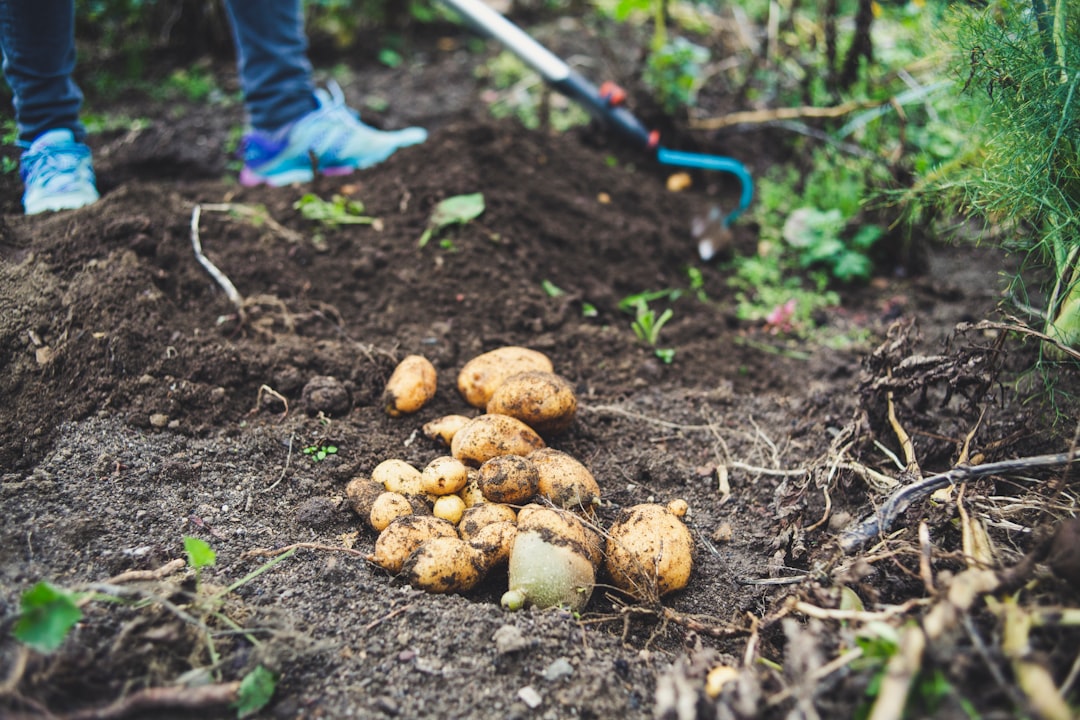
- Dig gently: Sweet potato skins are thin and damage easily at harvest. Use a digging fork and work from outside the planting area inward
- Don't wash roots immediately: Brush off loose soil and let them cure first
Curing: The Step That Transforms Your Harvest
Freshly dug sweet potatoes are starchy and somewhat bland. Curing converts those starches to sugars and heals any skin damage from harvest. Without curing, sweet potatoes from Kitsap — where they've had less heat accumulation than southern-grown roots — will be noticeably less sweet and won't store well.
Curing conditions: 80 to 85°F with 85 to 90% humidity for 7 to 10 days. A warm bathroom, heated garage, or indoor space near a heat source with a damp cloth nearby works well for home growers. After curing, move to cool, dry storage at 55 to 60°F. Properly cured sweet potatoes can store for 4 to 6 months.
Botanical Family and Rotation Planning
Sweet potatoes belong to the family Convolvulaceae — the morning glory family. This is an important distinction from Irish potatoes, which are Solanaceae. Because sweet potatoes are in a different botanical family, they do not share the same pest vulnerabilities or rotation restrictions as tomatoes, peppers, or regular potatoes.
At Roots and Wings Gardening, we rotate by botanical family, not by individual crop. Sweet potatoes can follow Fabaceae (beans, peas) or other nitrogen-builders in your rotation without concern about Solanaceae-related diseases. Just don't follow them with other Convolvulaceae or plant them in the same bed more than once every three to four years. Our full thinking on companion planting combinations that work in Kitsap County offers more context on how family-level planning shapes what you grow alongside and after each crop.
Companion Planting for Sweet Potatoes
Sweet potatoes are vigorous ground covers on their own, which limits what you can plant nearby. Good companions include:
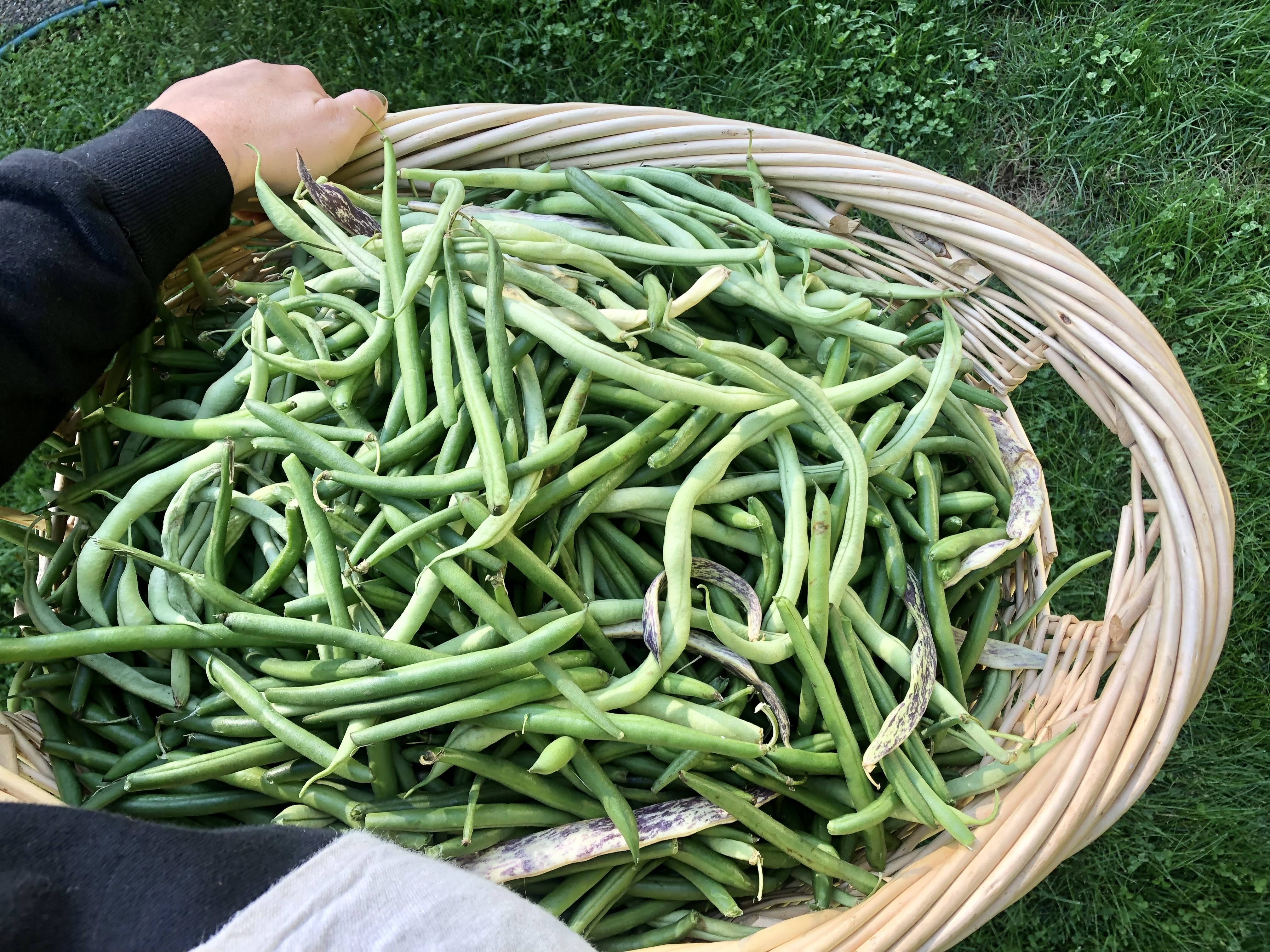
- Beans: Plant bush beans at the edges of sweet potato beds to fix nitrogen without competing for space. See our guide on growing beans in Kitsap County for timing and variety advice
- Thyme and oregano: Low-growing herbs that can tuck into the edges of the bed and may deter some pests
- Avoid: Squash, which competes aggressively for space and soil warmth
Common Problems and How to Solve Them
Small or Underdeveloped Roots
The most common Kitsap sweet potato complaint. Caused by insufficient heat accumulation, too much nitrogen, or planting too late. Address with earlier planting, black plastic mulch, and a low-nitrogen soil amendment strategy.
Wireworm Damage
Wireworms (the larvae of click beetles) can tunnel into sweet potato roots, leaving them riddled with holes. They're especially common in Pacific Northwest soils with a history of grass cover. Rotate away from grassy areas, use beneficial nematodes, and harvest promptly.
Vole Damage
Voles will eat sweet potato roots from below. Wire mesh lining at the bottom of raised beds is the most effective protection.
Slug Damage to Foliage
Kitsap's slug pressure is real and persistent. Young slips are especially vulnerable. Iron phosphate bait around slips at planting time provides good early-season protection. Our guide on identifying and treating slug damage in Kitsap County gardens has comprehensive control strategies.
Poor Vine Growth
Usually a sign of cold soil, low fertility, or inadequate sun. Confirm that your site is getting at least 8 full hours of sun daily, and check soil temperature before concluding there's another problem.
Is It Worth It?
That depends on what you value in your garden. If you're chasing maximum yield-per-square-foot, there are more reliable crops for Kitsap's climate. But if you want to grow something that requires skill, rewards careful attention, and produces a genuinely exceptional homegrown food — one that most of your neighbors assume can't be grown here — sweet potatoes are deeply satisfying.
The Murasaki japanese sweet potato pulled from your own cured stash in November, roasted in a 400-degree oven until caramelized and tender, tastes nothing like what you find at the grocery store. That alone is worth the effort for the right gardener.
At Roots and Wings Gardening, we believe in growing what challenges you alongside what's easy. Both have a place. If you're ready to push your Kitsap garden into new territory, sweet potatoes are a worthy frontier.