Summer Watering Tips for Kitsap County Gardens: How to Keep Plants Healthy in the Heat

If you've lived in Kitsap County long enough, you know the shift. Spring gives us steady rain and cool mornings. Then summer arrives, and suddenly your garden beds are cracking, your tomatoes are wilting by noon, and you're standing there with a hose wondering if you're doing it right.
Summer garden watering in Kitsap County isn't complicated, but it does require a different approach than the rest of the year. Our dry summers mean most edible gardens need supplemental water from late June through September. The good news? With a few grounded practices, you can keep your plants healthy, reduce water waste, and avoid the most common mistakes that lead to drought stress or disease.
Understanding Kitsap County's Summer Water Needs
Kitsap County typically receives less than two inches of rain between July and August. That's not enough for most vegetable gardens, especially heat-loving crops like tomatoes, peppers, cucumbers, and squash.
Different plant families have different water needs:
- Solanaceae (tomatoes, peppers, eggplant): Need consistent moisture once fruiting begins. Irregular watering can cause blossom end rot and cracked fruit.
- Cucurbitaceae (cucumbers, zucchini, squash, melons): Heavy water users, especially during fruit development. Drought stress leads to bitter cucumbers and stunted squash.
- Brassicaceae (kale, broccoli, cabbage): Moderate water needs, but consistent moisture prevents bolting and bitterness in summer-planted fall crops.
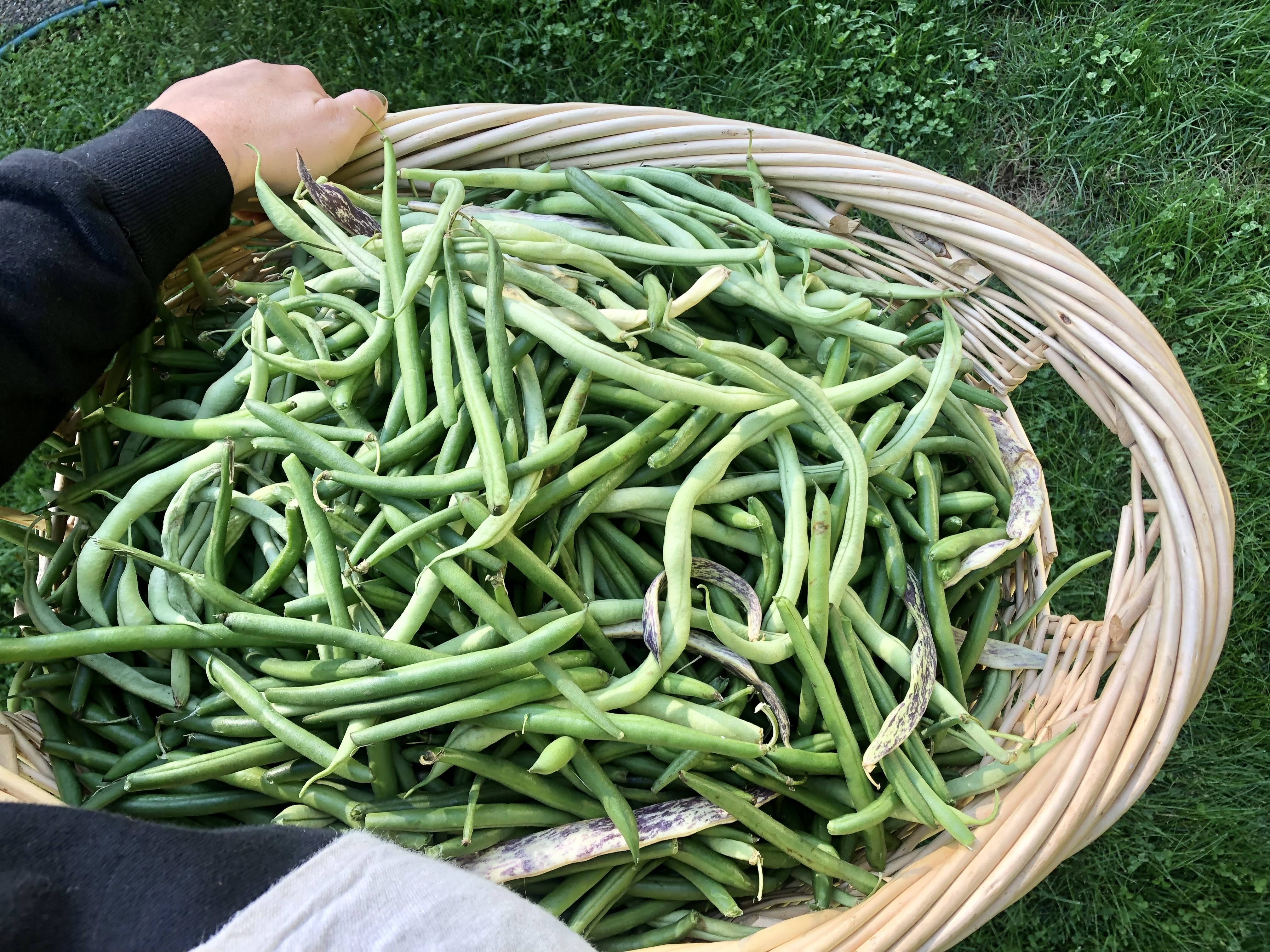
- Fabaceae (beans, peas): Drought-tolerant once established, but need water during flowering and pod development.
- Apiaceae (carrots, parsley, cilantro): Shallow roots need frequent, light watering to prevent splitting and woodiness.
- Allium (garlic, onions, leeks): Reduce watering as bulbs mature in July. Overwatering late-season garlic invites rot.
Knowing your plant families helps you group beds by water need and avoid overwatering drought-tolerant crops while underwatering thirsty ones.
How to Water Plants in Summer Without Waste
Most gardeners water too often and too shallow. This trains roots to stay near the surface, making plants more vulnerable to heat stress. Deep, infrequent watering builds stronger root systems and healthier plants.
Best practices for summer watering:
- Water early in the morning: Between 5 and 9 a.m. reduces evaporation and gives foliage time to dry, preventing fungal diseases like powdery mildew and blight.
- Water at the base, not overhead: Soaker hoses or drip irrigation deliver water directly to roots. Overhead watering wastes water and spreads disease.
- Water deeply, less often: Most vegetables need 1 to 1.5 inches of water per week. One deep soak beats three shallow sprinkles. Stick your finger 3 inches into the soil. If it's dry, water. If it's moist, wait.
- Mulch everything: A 2 to 3 inch layer of straw, leaves, or compost keeps soil cool, reduces evaporation, and can cut watering needs by 30 to 50 percent.
- Group plants by water need: Don't plant thirsty cucumbers next to drought-tolerant beans. Organize beds by botanical family and irrigation requirements.
If you're managing multiple garden beds, consider setting up zones. Heavy feeders like Solanaceae and Cucurbitaceae may need water twice a week during peak heat, while Fabaceae and mature Allium can go longer between soaks.
Recognizing and Preventing Drought Stress
Drought stress shows up in different ways depending on the plant. Catching it early can save your harvest.
Common signs of drought stress:
- Wilting in midday heat: Normal for some plants, but if leaves don't perk up by evening, the plant needs water.
- Leaf curling or browning edges: Especially in tomatoes, peppers, and brassicas.
- Slow growth or small fruit: Cucumbers, squash, and melons stop sizing up when water-stressed.
- Blossom drop: Peppers and tomatoes drop flowers under heat and drought stress.
- Cracked or split fruit: Happens when plants get inconsistent water after a dry spell.
Prevention is simpler than correction. Mulch, consistent watering, and choosing heat-tolerant varieties all help. If a plant does show stress, water deeply and consider adding shade cloth during the hottest part of the day.
For fall crops planted in late summer, like Brassicaceae, consistent watering during germination and early growth is critical. These plants are establishing roots during the hottest, driest weeks of the year.
How Roots & Wings Gardening Supports Summer Garden Care
We work with families across Kitsap County to build gardens that hold moisture, support healthy roots, and reduce summer labor. That starts in spring with soil prep and continues through mulching, irrigation setup, and seasonal crop planning.
If you're struggling with summer watering, or if your garden dries out faster than you can keep up, we can help. Our approach is grounded in regenerative practices that improve soil structure, increase water retention, and make your garden more resilient year after year.
We also support families rotating crops by botanical family, which helps prevent soil depletion and pest pressure. A well-rotated garden is easier to water because the soil holds moisture better and plants develop stronger root systems.
Whether you're managing a new garden or refining an established one, we offer hands-on guidance, seasonal maintenance, and practical education rooted in years of growing experience here in the Pacific Northwest.
If you'd like support setting up efficient irrigation, improving your soil's water retention, or planning a summer garden that thrives without constant attention, book a consultation with Roots & Wings Gardening. We'll help you build a garden that works with the seasons, not against them.