Zone 8 Gardening: Maximizing Kitsap County's Mild Winters
What Planting Zone Is Washington State — and Where Does Kitsap County Fit?
Washington State spans multiple USDA hardiness zones depending on elevation, proximity to water, and regional weather patterns. The eastern side of the Cascades sits in the colder Zone 5 and 6 range, where winters are harsh and the growing season is compressed. But Kitsap County? It's a different story entirely.
Most of Kitsap County falls within USDA Hardiness Zone 8b, with some lower-lying and waterfront areas nudging into Zone 9a. What that means in practical terms: average winter low temperatures rarely drop below 10–20°F, hard freezes are infrequent and short-lived, and the ground almost never freezes solid for extended periods. The maritime influence of Puget Sound buffers temperature swings, keeps humidity relatively stable, and creates a climate that is genuinely mild by any continental standard.
For gardeners, this is extraordinary. Zone 8 in the Pacific Northwest — especially in a county like Kitsap — means winter is not the end of the garden. It's a slower season, yes, but not a dead one. And once you understand what that zone designation actually makes possible, you'll never let a winter bed sit empty again.
What Is a Winter Garden, Really?
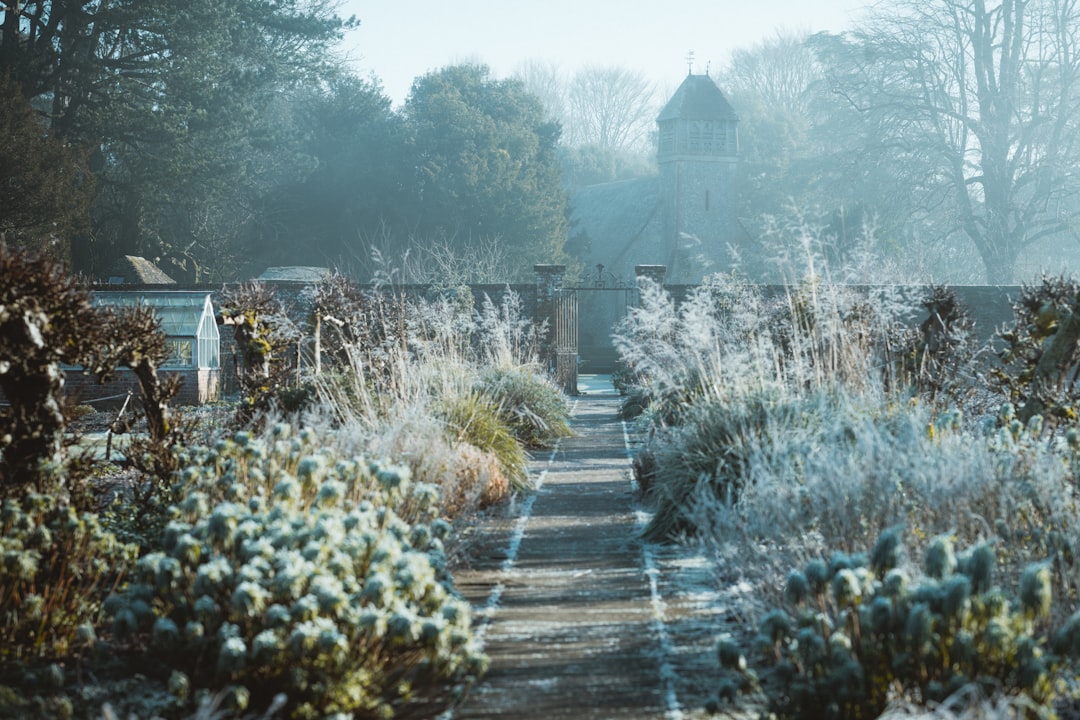
Many people picture a winter garden as something ornamental — maybe some evergreen shrubs, a few bare-branched trees, some frost-dusted structure. And while a beautiful winter landscape has its own value, in Zone 8 Kitsap County, a winter garden can be something much more productive: a genuine source of fresh food from November through March.
A winter garden, in the food-growing sense, is any planting intentionally designed to produce or maintain harvestable crops through the cold months. It relies on three things:
- The right crops — varieties bred or selected for cold tolerance and short-day performance
- Proper timing — most winter crops need to be established before the cold sets in, not planted into it
- Soil that's been prepared to support life through low-light, wet conditions
In Kitsap County's Zone 8 climate, that combination is entirely achievable. Kale, chard, spinach, arugula, leeks, carrots, parsnips, radicchio, turnips, and overwintering brassicas like cabbage and Brussels sprouts can all survive — and many will continue actively growing — through a Kitsap winter. The mild temperatures that feel "not quite warm enough for tomatoes" in summer become a genuine asset when you flip the lens to the cool-season crops that actually prefer them.
If you're just beginning to think about what the darker months of the year can offer your garden, this guide to what to plant in a Kitsap County garden in winter is a strong starting point for cold-hardy vegetable and shrub selection.
Why Zone 8 Is a Legitimate Growing Advantage
Gardeners in colder zones spend the winter months waiting. In Zone 8, you don't have to wait — you can work.
Here's what mild winters actually make possible in Kitsap County:
1. Year-Round Soil Biology
In hard-freeze climates, soil microbes go dormant and the entire underground ecosystem essentially shuts down for months. In Zone 8, soil biology slows but doesn't stop. Worms stay active longer, fungal networks persist, and decomposition continues — which means cover crops break down, compost integrates, and your beds can be amended and ready to go much earlier in spring than in colder regions.
This is one reason that what you do to your soil in fall and winter matters so much here. Cover cropping, mulching, and adding organic matter in October and November isn't just maintenance — it's an active investment that pays dividends in April and May when soil structure and fertility are already in place. The cover crops worth sowing in Kitsap County piece covers which species work best for winter soil building in this specific climate.
2. Extended Brassica Production
Brassicas — broccoli, cabbage, kale, Brussels sprouts, cauliflower, kohlrabi — are built for exactly this climate. They tolerate frost, they often sweeten after cold exposure, and in Zone 8 they can be harvested well into winter and sometimes straight through it. A fall-planted kale that goes into the ground in August or early September will keep producing leaves through January and February in most Kitsap winters.
Brussels sprouts are especially worth noting. They're a long-season crop that many warm-climate gardeners struggle with because they need a long, cool finish. Zone 8 Kitsap County gives them exactly that. If you've never had success with Brussels sprouts elsewhere, this is the climate where they finally make sense. Growing Brussels sprouts in Kitsap County walks through the best varieties and timing for reliable results.
3. Garlic in the Ground All Winter
Garlic is planted in fall, overwinters in the ground, and is harvested the following summer — and Zone 8 is just about perfect for it. The mild winters mean the cloves establish strong root systems without the cold being severe enough to heave them out of the ground. They resume growth early in spring and typically produce large, well-formed bulbs. For many Kitsap gardeners, fall garlic planting becomes one of the most rewarding rituals of the year. The garlic growing guide for Kitsap County covers timing, variety selection, and harvest cues in detail.
4. Overwintering Root Vegetables
Carrots, parsnips, and turnips can remain in the ground through winter in Zone 8, continuing to sweeten as temperatures drop. Rather than pulling the entire crop in October, you can treat the bed as a living root cellar — harvesting as needed through the cold months. Parsnips in particular become genuinely exceptional after a few hard frosts; the cold converts their starches to sugars in a way that no post-harvest storage can replicate. See why parsnips deserve a spot in your Kitsap County garden for more on this often-overlooked winter crop.
5. Early Spring Head Start
Because the soil in Zone 8 Kitsap County rarely freezes to depth, and because temperatures begin moderating earlier than in colder zones, spring planting windows open weeks earlier here than in much of the country. Peas can often go in the ground in late February. Cool-season greens can be direct-sown in March. If you've done the soil preparation work over winter, those early spring beds are ready to receive seed almost immediately. Spring soil preparation for Kitsap County gardens explains how to make the most of that early window.
How to Prepare Your Garden for Winter in Kitsap County
Preparing your garden for winter in Zone 8 looks different from the "shut it down" approach common in colder climates. Here, winter preparation is really about setting up continuous productivity and protecting soil health through the wet season. Here's how to approach it.
Step 1: Don't Leave Beds Bare
Bare soil in a Kitsap winter is exposed soil. The heavy rainfall characteristic of the Pacific Northwest — combined with cool temperatures — creates ideal conditions for soil compaction, nutrient leaching, and erosion. Cover every bed with something: a cover crop, a thick layer of mulch, or a planted winter crop. All three protect soil structure, and cover crops actively improve it.
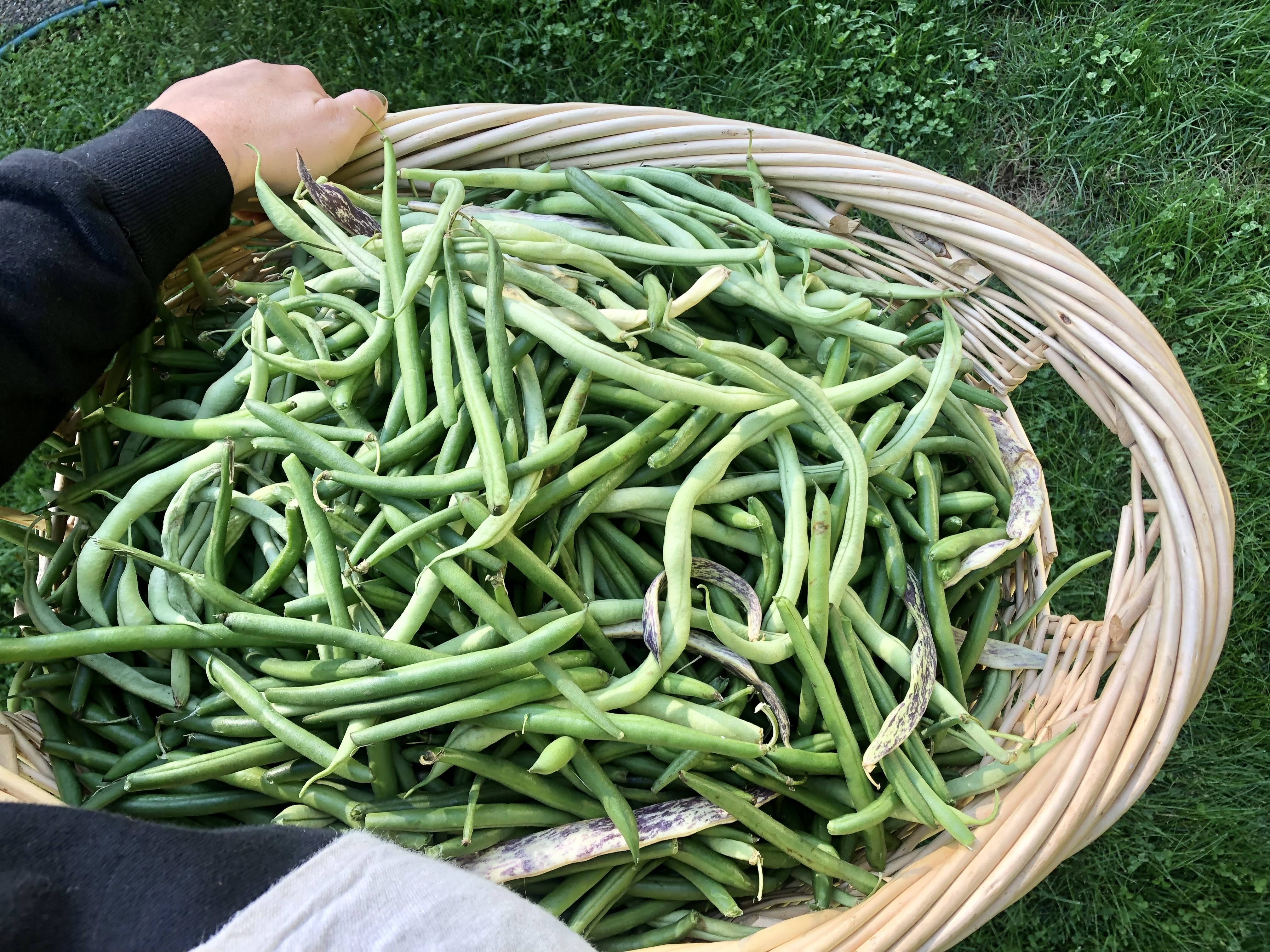
Crimson clover, winter rye, and fava beans are all well-suited to Kitsap County's winter conditions. Favas do double duty — they fix nitrogen through their root nodules and produce edible beans in late spring if you let them go. The bean growing guide for Kitsap County covers favas alongside other bean types worth trying.
Step 2: Feed Your Soil, Not Just Your Plants
Fall is the right time to add bulk organic matter to your beds. Compost, aged manure, leaf mulch — all of these benefit from a winter of slow integration. By the time spring planting arrives, that organic matter will have worked its way into the soil structure, improving drainage in clay-heavy spots and water retention in sandier areas.
Kitsap County soils are frequently clay-dominant, especially in areas with older glacial till. Those soils compact easily under winter rain if left bare, and they can be slow to warm in spring. Building organic matter over fall and winter is the most effective long-term solution. Managing clay soil in Kitsap County goes deeper on this issue.
Autumn leaves are one of the most underused resources available to Kitsap gardeners. Shredded and applied as mulch, they protect soil from compaction, moderate temperature, and break down into rich humus over winter. Autumn leaf mulch as free fertilizer makes the case for why you shouldn't let a single leaf bag leave your property.
Step 3: Test Your Soil Before Winter Closes In
If you haven't done a soil test recently, fall is actually an ideal time. You'll have results in hand during the slower winter months — plenty of time to research amendments and place orders before the spring rush. Knowing your pH, nitrogen levels, and any mineral deficiencies before the growing season begins means you can act strategically rather than reactively. Soil testing in Kitsap County covers when, why, and how to get it done.
Step 4: Address Drainage Before the Rains Peak
Zone 8 Kitsap County receives most of its annual rainfall between October and March. If your garden has low spots, compacted pathways, or poorly draining beds, the damage those conditions cause over a wet winter can set your spring back significantly — waterlogged soil is cold, compacted, and hostile to early root development. Address drainage issues in fall, before they become winter crises.
Creating a rain garden in Kitsap County offers a regenerative approach to managing stormwater runoff that also adds biodiversity and habitat value to your property.
Step 5: Protect What's Worth Protecting
Not everything in your garden needs active winter protection in Zone 8, but some crops and plants benefit from a little help. Row cover fabric over brassicas and greens can extend the harvestable window and protect against the occasional hard freeze that does arrive. Cold frames take things further, essentially creating a Zone 9 or 10 microclimate inside Zone 8 conditions. Cold frames for extending the Kitsap County growing season explains how to build and use them effectively.
Tender perennials — dahlias, certain herbs, fig trees — need different handling. Some can remain in the ground with heavy mulching; others need to come inside. Overwintering tender perennials in Kitsap County gives specific guidance by plant type.
Step 6: Plan Your Crop Rotation Now
Winter is the planning season. One of the most valuable things you can do during the slower months is map out your crop rotation for the coming year. At Roots and Wings Gardening, rotation is managed by botanical family — not individual plant — because plants in the same family share soil needs, pest vulnerabilities, and companion relationships. The basic rule: follow heavy feeders (Solanaceae, Cucurbitaceae, and Poaceae) with nitrogen-builders (Fabaceae), then soil-restorers (Amaranthaceae, Apiaceae). Never plant the same family in the same bed within a 3–4 year window.
Planning this in winter, with a clear view of what grew where the previous season, sets up the entire year for better soil health, reduced pest pressure, and more productive harvests.
The Winter Crops Worth Knowing in Zone 8 Kitsap County
For gardeners ready to commit to year-round growing, here's a quick overview of the crops that perform best through a Kitsap winter:
- Kale — arguably the most reliable winter crop in Zone 8. Lacinato, Red Russian, and Winterbor all perform well. Harvest outer leaves continuously. Growing kale in Kitsap County covers the full picture.
- Swiss chard — tolerates light frosts and keeps producing in mild winters, though it will pause during the coldest spells. Swiss chard for Kitsap County explains the best varieties for cold tolerance.
- Spinach — surprisingly cold-hardy when established before hard weather arrives. Can survive under snow. Spinach growing in Kitsap County covers fall-planting timing specifically.
- Arugula — fast-growing, cold-tolerant, and productive through much of a Kitsap winter. Arugula in Kitsap County is worth a read for anyone new to growing it.
- Leeks — slow-growing but incredibly winter-hardy. Plants set in summer stand through the coldest Kitsap months and harvest right through winter. Growing leeks in Kitsap County is the full guide.
- Carrots — in-ground storage works beautifully in Zone 8. The Kitsap County carrot guide covers which varieties hold up best through cold months.
- Radicchio — underused and underappreciated. It actually needs the cold to develop its characteristic color and bitterness. Radicchio in Kitsap gardens is worth exploring.
- Cabbage — overwintering varieties can sit in the garden through the entire cold season and be harvested in late winter to early spring. Growing cabbage in Kitsap County covers the right variety choices.
The Bigger Picture: Zone 8 as a Regenerative Advantage
Every winter that passes with bare, unproductive beds is a missed opportunity in Kitsap County. The mild Zone 8 climate doesn't just allow for winter growing — it makes year-round regenerative stewardship possible in a way that gardeners in colder climates genuinely cannot access.
Continuous soil cover. Active biology. Living roots in the ground through the wet season. A harvest that bridges fall into spring without a gap. These aren't aspirational goals for Kitsap County gardeners — they're entirely achievable with the right crops, the right timing, and a willingness to see winter not as a pause but as a productive season in its own right.
If the winter cleanup side of this feels overwhelming, the winter garden cleanup guide for Kitsap County breaks it down into a manageable task-by-task sequence that won't leave anything important undone before spring.
Zone 8 is a gift. Use it.