
Overwintering Tender Perennials Successfully in Kitsap County
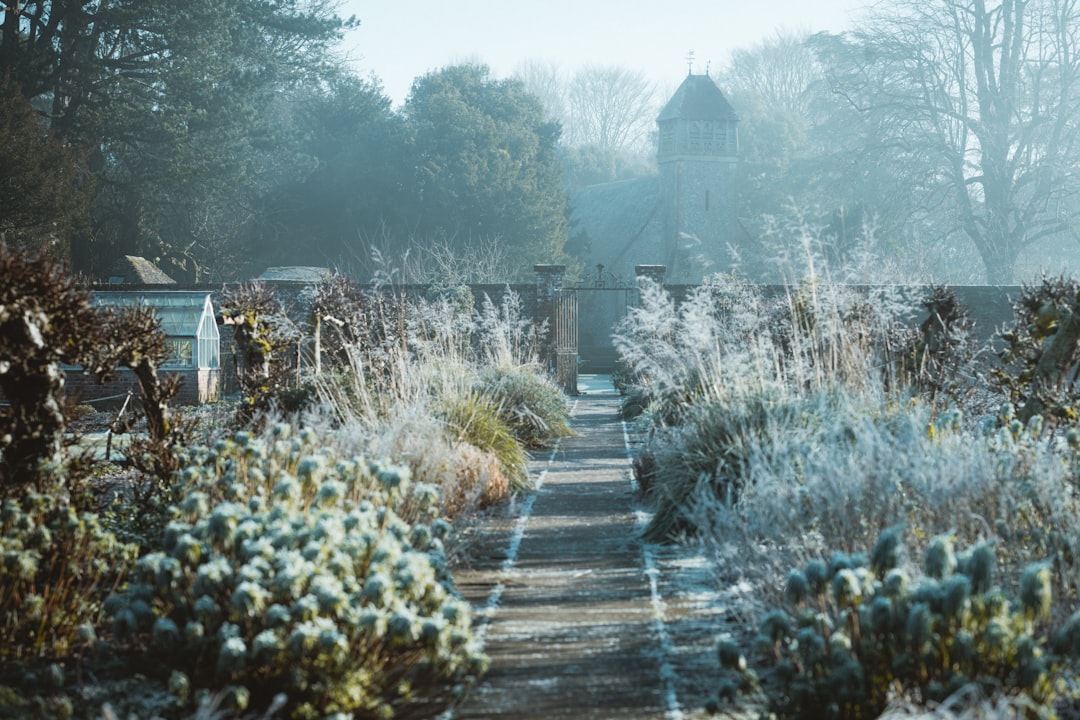
If you've ever watched a beloved dahlia or banana plant turn to mush after the first hard frost, you know the particular heartbreak of losing a tender perennial you worked all season to grow. In Kitsap County, our winters are mild by national standards — but they are consistently wet, occasionally freezing, and unpredictable enough to catch gardeners off guard. Learning to overwinter tender perennials successfully is one of the most rewarding skills you can develop, and it's more achievable here than in most of the country.
What Is a Tender Perennial?
A tender perennial is a plant that behaves like a perennial in its native climate — returning year after year — but lacks the cold hardiness to survive winters in your specific growing zone without protection. In Kitsap County, which sits in USDA Hardiness Zone 8b, the average minimum temperature ranges from 15 to 20°F. That's cold enough to kill the roots and crowns of many plants that would otherwise live for decades in warmer regions. Common tender perennials that Kitsap gardeners love to grow include dahlias, cannas, elephant ears (Colocasia and Alocasia), ginger, fuchsia, pelargoniums, salvia varieties like Salvia guaranitica, banana plants, and many tropical herbs. These plants invest heavily in their root systems, tubers, rhizomes, or corms over the growing season — and those underground structures are exactly what we're trying to preserve through winter.Understanding Kitsap County's Winter Conditions
Our winters present a nuanced challenge for tender perennial overwintering. We don't typically experience prolonged deep freezes, but we do experience repeated freeze-thaw cycles that can heave roots, rot crowns, and destroy tubers. We also receive significant rainfall from November through March, which creates the second major threat: saturated soil. Standing water and waterlogged soil will rot tubers and rhizomes just as reliably as a hard freeze will. The takeaway is this: in Kitsap County, moisture management is often more critical than temperature management when it comes to overwintering tender perennials. That insight shapes every strategy we recommend below.Strategy One: Dig and Store
The most reliable method for many tender perennials — including dahlias, cannas, and gladiolus — is to dig the tubers or rhizomes after the first frost blackens the foliage, cure them briefly, and store them indoors through winter. Step-by-step for Kitsap County conditions: Wait until after the first frost to dig. Frost signals to the plant to pull energy back into its storage structures. In Kitsap County, that first meaningful frost typically arrives between late October and mid-November, though it varies year to year. Cut back the foliage to about 4 to 6 inches above the crown, then carefully dig around the root zone with a garden fork. Work outward from the stem to avoid slicing through tubers. Lift the clump and shake off loose soil — don't wash them unless they're extremely dirty, as excess moisture invites rot. Allow the tubers or rhizomes to cure in a dry, shaded location with good airflow for 1 to 2 weeks. A covered porch, garage, or shed works well. This curing period allows the skin to toughen and any minor cuts or wounds to callous over. Once cured, pack the structures in a breathable medium — vermiculite, peat moss, dry coco coir, or even crumpled newsprint. Do not use plastic bags or sealed containers, which trap humidity and cause rot. Store in a cool, frost-free location between 40 and 55°F. A basement, garage shelf, or insulated shed typically works well in Kitsap County through winter. Check stored tubers monthly. Remove any that show signs of rot immediately to prevent spread. If stored structures are shriveling rather than rotting, mist lightly with water. Dahlias are one of the most rewarding tender perennials to grow in Kitsap County, and digging and storing their tubers each fall is the single most important step to building a larger, more productive clump over time.Strategy Two: In-Ground Protection With a Winter Plant Protector
Some gardeners prefer to leave tender perennials in the ground and use a winter plant protector to insulate roots and crowns from freezing temperatures and excess moisture. This approach works best for plants whose storage structures are fairly deep, for marginally hardy plants rather than truly tropical ones, and for years with milder-than-average winters — all of which Kitsap County sometimes delivers. The most effective winter plant protector systems for in-ground tender perennials combine two elements: a thick mulch layer and a physical cover or frame. After frost blackens the foliage, cut back the plant and mound 6 to 12 inches of coarse mulch directly over the crown and root zone. Straw, wood chips, shredded leaves, or a combination work well. Coarse materials allow some airflow and drainage, reducing rot risk compared to dense, wet materials like shredded bark applied too thickly. On top of that mulch layer, place a physical winter plant protector — this might be a wire cage filled with additional straw, a frost blanket or row cover weighted around the edges, or even an overturned pot or container weighted against wind. The goal is to keep the mulch from washing away in our heavy winter rains and to trap a small amount of ground heat around the crown. For truly marginal cases — plants that are borderline hardy for our zone — consider adding a layer of clear or white poly sheeting over the entire structure, anchored securely. This creates a mini-greenhouse effect that raises the temperature beneath it by several degrees. Just be sure to vent on warm days to prevent premature sprouting or fungal issues in late winter. Cold frames are another excellent winter plant protector option for lower-growing tender perennials or for potted specimens you want to keep marginally warmer than ambient outdoor temperatures without bringing fully indoors.Strategy Three: Container Growing and Indoor Overwintering
Growing tender perennials in containers is one of the most flexible overwintering strategies available to Kitsap County gardeners. When a plant lives in a pot, the entire root system moves with you when you bring it indoors before frost arrives. This approach works especially well for pelargoniums (often called geraniums), fuchsia, tender salvias, citrus, banana plants, and many tropical herbs. The key is timing and transition. Begin the transition indoors before your first expected frost date — ideally in early to mid-October in Kitsap County. Move containers to a location that matches the plant's winter needs. Most tender perennials overwinter best in a cool, dimly lit location (a garage or unheated basement between 40 and 55°F) where they can go semi-dormant and reduce their water needs dramatically. Others, including tender herbs and citrus, prefer a brighter, warmer indoor location like a south-facing window. Reduce watering significantly for dormant-stored containers. These plants are resting, not growing. Overwatering dormant roots in winter is one of the most common ways gardeners lose otherwise healthy tender perennials. In late February or early March, begin bringing dormant containers back into warmth and light gradually. Increase watering slowly as growth resumes. Avoid moving plants directly from a dim garage into full outdoor sun — harden them off gradually over 1 to 2 weeks to prevent sun scald.Which Tender Perennials Can Stay In-Ground in Kitsap County?
Some plants labeled as tender perennials are actually quite successful with minimal protection in Zone 8b. The following can often overwinter in-ground in Kitsap County with a good mulch layer and decent drainage: Agapanthus (African lily) — especially established clumps with good drainage. Mulch crowns and protect with a winter plant protector during freeze events. Crocosmia — reliable in most Kitsap County locations with minimal care. A light mulch layer helps. Alstroemeria — often reliably perennial in Zone 8b once established. Deep roots help insulate from surface freezes. Canna rhizomes — can survive mild Kitsap winters in the ground under heavy mulch, though digging is more reliable for prized varieties. Salvias such as Salvia nemorosa — many of the shrubby salvias can overwinter with crown protection. Hardy fuchsia — varieties like Fuchsia magellanica are genuinely hardy in our zone and need only light crown protection. Drainage is the deciding factor more than cold hardiness for most of these. Beds with heavy clay soil that holds water through winter will lose plants that would otherwise survive just fine. If you're managing clay soil challenges in your garden, improving drainage before winter is one of the best investments you can make for tender perennial survival.Tender Perennials and Ecosystem Thinking
At Roots and Wings Gardening, we approach every plant decision through a holistic ecosystem lens. Tender perennials aren't just ornamental — many play active roles in your garden ecosystem through the growing season. Dahlias attract pollinators well into fall. Cannas provide structure and shelter. Salvias feed hummingbirds and beneficial insects. When you invest in overwintering these plants successfully, you're not just saving money on replacements — you're preserving mature, established specimens that provide more habitat value, more flowers, more structure, and more ecological function than a first-year plant ever could. That investment compounds over years, just like the soil health you build season by season. Supporting pollinators through the full growing season is one of the most impactful things a Kitsap County gardener can do, and successfully overwintering the tender perennials that feed them late in the season is a meaningful piece of that work.Common Overwintering Mistakes to Avoid
Digging too early. Digging before frost has signaled the plant to store energy in its tubers means you're pulling up structures that haven't fully matured. Wait for blackened foliage. Storing in airtight containers. This is the single most common cause of rotted tubers. Always use breathable storage media and containers with some airflow. Skipping the cure period. Putting tubers directly into storage without curing invites rot at cut surfaces and wounds. Overwatering dormant stored containers. A dormant plant in a garage needs dramatically less water than an actively growing one. When in doubt, water less. Mulching too late. Apply mulch before the first hard freeze, not after. Once the ground freezes, you're trapping cold rather than warmth. Ignoring drainage. In Kitsap County's wet winters, a soggy crown or waterlogged tuber is as dangerous as a freeze. Address drainage before it becomes a problem.Building Your Overwintering System Over Time
The most successful Kitsap County gardeners don't treat overwintering as a single annual task — they build systems that become more efficient and reliable each year. That means designated storage areas in the garage or basement with consistent temperature ranges, labeled bins or crates for each plant type, notes on what worked and what rotted, and a calendar reminder to check on stored materials monthly. It also means being strategic about which tender perennials you invest in heavily. If a plant consistently survives your winters with minimal intervention, grow more of it. If a particular variety rots every time despite careful storage, it may simply not be worth the effort in your specific microclimate. Kitsap County's microclimates vary significantly — a south-facing slope with sandy loam behaves very differently than a north-facing low spot with clay. Pay attention to your specific conditions and let your garden teach you what works. A thorough fall garden prep routine that includes assessing your tender perennials, marking what needs to be dug, and gathering storage supplies before the first frost arrives will make the entire overwintering process smoother, faster, and more successful every year. The goal, as always at Roots and Wings Gardening, is a garden that works with the rhythms of the land — not against them. Overwintering your tender perennials successfully is one of the most satisfying expressions of that principle.
"Holly completely transformed our estate! From planning raised beds to planting a variety of vegetables, she made everything so simple and approachable. Not only do we have a thriving garden now, but she taught us how to care for it ourselves. Her passion and knowledge are unmatched - I can’t recommend her enough!"
Lori H.
Private Gardening Client