Succession Planting Secrets for Year-Round Kitsap County Harvests

Most home gardeners in Kitsap County plant once in spring, harvest through summer, and watch their beds go quiet by October. It feels like the natural rhythm — but it isn't the only one available to you. With a thoughtful succession planting schedule built around Kitsap's cool maritime climate, you can harvest fresh food from your garden in every single month of the year. This is how small-scale growers move from a single seasonal flush to something closer to a continuous harmony farm — a garden that is always producing something, always resting something, and always preparing something new.
At Roots and Wings Gardening, we think about succession planting not as a trick or a hack but as the natural expression of regenerative stewardship. The land doesn't stop working in October. Neither should your beds. Here's how to build a vegetable garden planting schedule that works with Kitsap County's rhythms, not against them.
Why Succession Planting Works So Well in Kitsap County
Kitsap County sits in a genuinely fortunate growing position. The same maritime influence that frustrates tomato growers extends the season for cool-season crops well into late fall and even winter. Temperatures rarely crash hard enough to kill overwintering greens outright. Frosts come late and lift early. The wet season keeps soil moisture levels high without irrigation. These conditions aren't ideal for warm-season monoculture farming, but they are nearly perfect for succession growing — staggered plantings of cool-season crops that roll through spring, summer's shoulder months, fall, and winter without interruption.
The key is learning which plant families thrive in which windows, and then rotating them through your beds in a sequence that feeds the soil as much as it feeds your household.
The Foundation: Think in Plant Families, Not Individual Crops
Before you can build a working succession schedule, you need to think the way the soil thinks. At Roots and Wings Gardening, we plan every bed by botanical family — not individual plant variety — because plants in the same family share soil needs, pest vulnerabilities, and companion relationships. This matters enormously for succession planting because each time you pull one crop and plant the next, you're making a decision about soil health, pest pressure, and fertility that will echo through the next three or four years.
The rotation rule we follow is straightforward: heavy feeders first, nitrogen builders second, soil restorers third. Heavy feeders — the Solanaceae (tomatoes, peppers, eggplant), Cucurbitaceae (cucumbers, zucchini, squash), and Poaceae (corn) families — draw heavily on soil nutrients. Following them with Fabaceae crops like beans, peas, and favas rebuilds nitrogen. Then Amaranthaceae and Apiaceae crops like beets, chard, carrots, and parsley restore and condition the soil further. Never plant the same family in the same bed within three to four years.
When your succession planting schedule is built on this framework, every new planting is also an act of soil stewardship. The garden is always moving forward.
A Month-by-Month Succession Planting Schedule for Kitsap County
January and February: The Quiet Prep Window
These months are less about planting and more about positioning. Beds that hosted fall brassicas or overwintering greens are finishing up. Now is the time to assess soil structure, top-dress with compost, and plan your spring successions. If you haven't already, this is also the window to start onion family crops indoors — leeks and onions especially benefit from an early indoor start in Kitsap County's short warm season. Leeks in particular need a long runway and repay early attention generously.
Cold-hardy overwintering crops like kale, certain spinach varieties, and overwintering brassicas are often still producing light harvests in these months if planted the previous fall. Don't overlook them — they're the quiet proof that succession planting works.
March: The First True Succession Window Opens
March is when Kitsap County's succession growing season genuinely begins. Soil temperatures are still cold, but many cool-season crops are perfectly adapted to these conditions. Direct sow spinach, peas, lettuce, and arugula as soon as beds are workable. These are fast, forgiving crops that will be producing by May — right as you're starting the next succession behind them.
Start tomatoes, peppers, and other Solanaceae crops indoors this month. They won't go outside until late May at the earliest, but starting now gives them the long indoor head start they need in our climate. Kitsap tomatoes in particular need every advantage you can give them.
Also start brassica transplants indoors in March for a May outdoor planting — broccoli, cabbage, and cauliflower all benefit from a transplant start rather than direct sowing.
April: Stack Your Plantings
April is the first major stacking month — the moment when you begin planting behind what you've already got growing. Direct sow a second succession of lettuce and arugula two to three weeks after your first planting. The stagger means you'll be harvesting continuously rather than facing a single glut followed by a gap.
This is also the right time to sow carrots and spinach directly, and to transplant any overwintered or cold-started brassica seedlings outdoors once nighttime temperatures stabilize. Garlic planted the previous fall is now sending up vigorous growth and will be one of your earliest summer harvests — another demonstration that succession thinking runs year-round. If you haven't yet explored garlic growing for Kitsap County, fall planting is the succession move that pays dividends in June.
May: The Transition Into Warm-Season Plantings
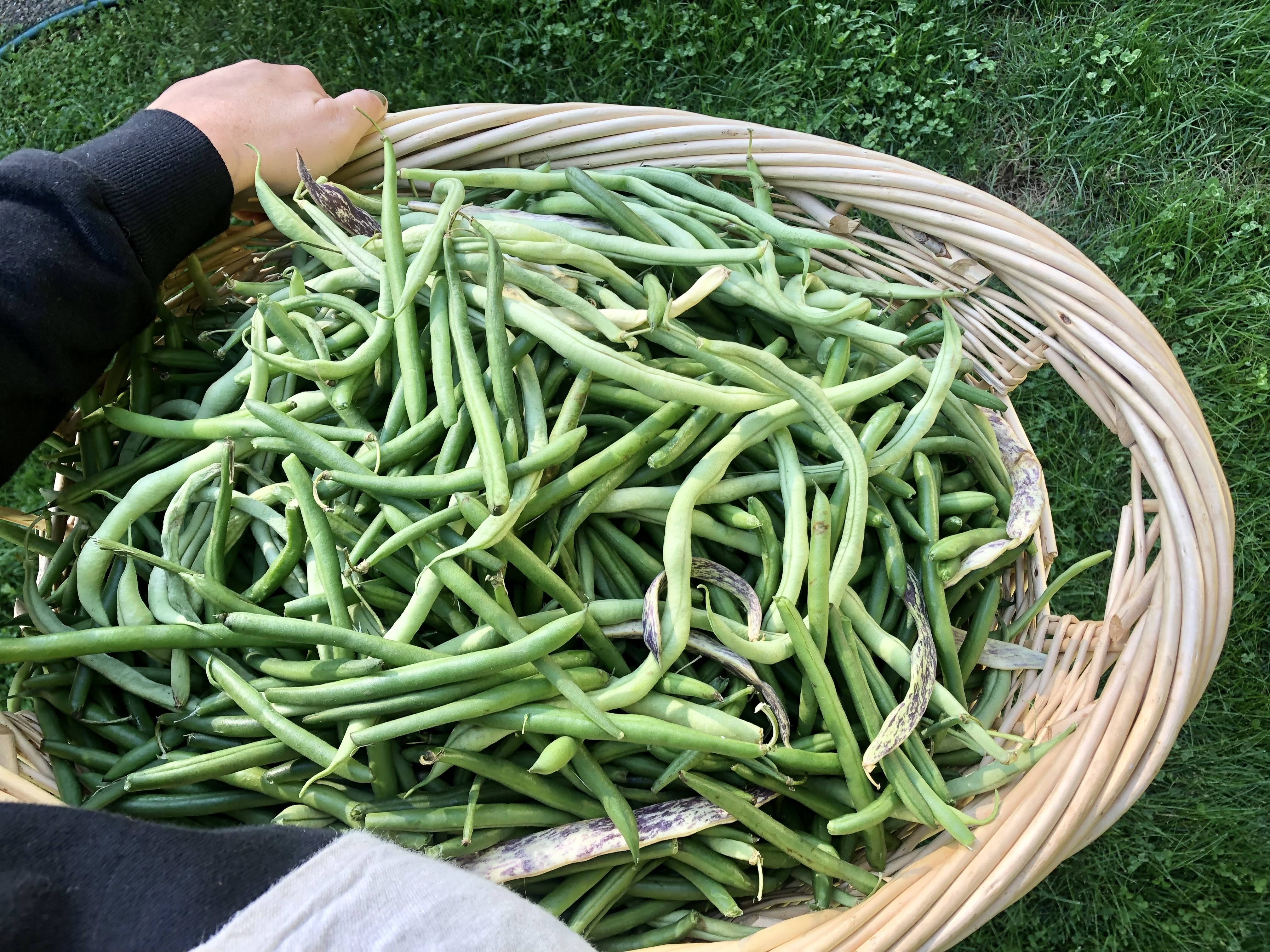
May is Kitsap County's most productive planting month. Cool-season successions are in full swing, and it's time to begin introducing warm-season crops carefully. After Memorial Day, transplant hardened-off tomatoes, peppers, and eggplant into beds that have been enriched from a previous legume or brassica rotation. Sow beans directly once soil has warmed — beans are fast and heat-sensitive as seedlings, so direct sowing after the cold is past serves them better than transplanting.
Meanwhile, keep your succession of quick crops moving. A third planting of lettuce goes in now. Begin sowing beets and Swiss chard — both are Amaranthaceae crops that do beautifully in Kitsap's soil and act as excellent followers after spring Fabaceae plantings.
This is also the window to start cucumbers and zucchini indoors for a late May or early June transplant, or sow them directly into warmed soil in late May.
June and July: Peak Production, Peak Planning
Your garden is at maximum intensity in June and July. Warm-season crops are establishing, cool-season successions are producing heavily, and the temptation is to stop thinking about what comes next. Resist it. This is exactly the moment to plan your fall successions.
In late June, sow a fresh round of carrots. Carrots sown in late June in Kitsap County will be ready for harvest in September and October — some of the sweetest carrots you'll grow, as cooling fall temperatures convert their starches to sugars. Also sow beets and chard again in late June for a strong fall harvest.
Start fall brassica transplants indoors in late June or early July. Brussels sprouts especially need a long lead time — start them by the end of June for a fall and winter harvest. Kale started in early July will be transplant-ready in August and will carry you through the winter. The comparison between kale, chard, and spinach for Kitsap growers is worth understanding — each has a different seasonal window that can be leveraged in succession.
August: The Fall Succession Rush
August is the most overlooked planting month in Kitsap County, and the most consequential for year-round harvests. Gardeners who skip August plantings wonder why their gardens go quiet in October. Gardeners who plant in August are still harvesting in January.
Direct sow spinach in early to mid-August. Kitsap's mild fall means spinach sown now will establish before cold sets in and then slow-grow through the winter, offering harvests on mild days through February and March. Sow arugula in August as well — it germinates fast in warm soil and will be ready within three to four weeks. A fourth and final succession of lettuce goes in now too, for harvests through October and into November under cover if needed.
Transplant your fall brassica seedlings started in July — kohlrabi, kale, and turnips all transplant well now and will produce through fall. Also consider a direct sowing of parsnips if you haven't already — they're a slow-growing Apiaceae crop that benefits enormously from frost, making them one of the best mid-winter harvests in a Kitsap garden.
September: Garlic Goes In, Summer Comes Out
September is the succession pivot month. Warm-season crops are winding down, and you're pulling spent tomatoes, beans, and cucurbits to make room for the fall and winter garden. As beds open up, amend them and prepare for garlic planting — garlic is the anchor of a year-round Kitsap succession plan, going in September through November for a June harvest that opens beds again for summer crops. It is a full-year succession crop all by itself.
Continue harvesting and sowing spinach, arugula, and Asian greens. This is also a good time to sow a cover crop in any beds you won't be using through winter — cover crops are themselves a succession strategy, building fertility and soil structure for the crops that follow them in spring.
October Through December: Harvest, Protect, and Persist
A garden that followed a year-round succession schedule is still feeding you now. Kale is producing. Brussels sprouts are sweetening with every frost. Overwintering spinach is in place. Garlic is quietly rooting. Parsnips are waiting underground for the cold to deepen their flavor. These aren't afterthoughts — they're the payoff of decisions made in June, July, and August.
Use row cover or low tunnels over your most tender crops to extend harvests further into December. In Kitsap County's mild winters, a single layer of frost cloth can be the difference between harvesting through January or stopping in November.
Take this quiet season to do the planning work that will make next year's succession even smoother. Review what worked, note which gaps you want to fill, and sketch out your bed rotations for spring. The spring soil preparation work you do now will set the foundation for the first successions of the coming year.
The Crops That Drive Year-Round Succession in Kitsap County
Not every crop is suited to succession planting. The most reliable year-round producers in Kitsap County share a few traits: they're fast, they tolerate cold, they transplant well or direct-sow easily, and they offer multiple harvests rather than a single all-or-nothing moment. Here are the families that do the most work in a Kitsap succession garden:
Brassicaceae: The workhorse family. Kale, arugula, broccoli, cabbage, kohlrabi, and turnips cover spring, fall, and winter windows generously. The key is staggering transplant starts indoors so you always have plants ready to go in as space opens up.
Amaranthaceae: Spinach, beets, and Swiss chard are among the most succession-friendly crops for Kitsap County. They tolerate both spring cold and fall frost, and they follow heavy-feeding summer crops beautifully as soil restorers.
Apiaceae: Carrots, parsnips, and parsley fill important niches in the succession calendar. Carrots sown in late June and parsnips sown in mid-summer provide fall and winter harvests that few other crops can match.
Fabaceae: Peas in early spring and beans in late spring give you Fabaceae coverage across the warm-up window, and both leave behind nitrogen-enriched soil for the crops that follow. Peas especially shine as an early succession crop in Kitsap — they go in before the soil is fully warm and are finished in time for summer plantings.
Alliaceae: Garlic and onions are long-season succession anchors. They occupy beds from fall through early summer but do so with minimal maintenance, leaving beds open for the heart of summer planting.
Filling the Succession Gaps: Quick Crops as Bridge Plantings
Even a well-planned succession schedule has gaps — windows of two to four weeks where a bed is between major crops. These gaps are opportunities. Quick crops like arugula, radishes, and salad greens mature in under thirty days and can be tucked into any open window. Radishes, for example, can be sown literally anytime from March through September in Kitsap County and will be ready before whatever follows them needs the space. They also serve as soil aerators and can act as trap crops for certain pests when used alongside brassicas — another dimension of the holistic ecosystem thinking that underpins everything we do at Roots and Wings Gardening.
Companion planting also becomes a succession tool when you think this way. Interplanting slow-maturing crops with fast-maturing ones means beds are always earning their space. For a deeper look at how plant relationships can inform your planting decisions, the companion planting combinations that work in Kitsap County offer a practical framework that complements succession scheduling naturally.
Soil Is the Succession Gardener's Most Important Variable
Succession planting asks a lot of the soil. When beds turn over three or four times a year, fertility and structure can decline quickly if you don't actively replenish them. Every new succession planting at Roots and Wings Gardening is preceded by a top-dressing of compost — not a full dig, just a two-inch layer worked lightly into the surface. This steady compost input is what allows continuous planting without the soil fatigue that plagues heavily used gardens.
If you're still building your soil — especially in Kitsap County's notoriously heavy clay areas — the work you do before succession planting begins will define everything that follows. Managing Kitsap County's clay soil is the unglamorous foundation of year-round growing, and it's worth addressing directly before you invest time in a succession schedule. Composting is equally important — turning your kitchen and garden waste into fertility is how a succession garden sustains itself over years rather than depleting the soil it depends on.
Raised Beds and Succession Planting: A Natural Partnership
Succession planting and raised beds are natural partners in Kitsap County. Raised beds warm faster in spring, drain better in winter, and allow you to manage soil fertility in each bed independently — which matters when you're rotating plant families across a three-to-four-year cycle. The comparison between raised bed and ground gardening in Kitsap County is worth reading if you're deciding how to structure your succession system. For those ready to build, detailed guidance on building raised beds for Kitsap County's soil and drainage conditions walks through everything you need to know.
Starting Small and Building Continuity
The most common mistake new succession planners make is trying to do everything at once. A five-bed succession rotation in year one is more than enough. Assign each bed a primary plant family, plan one spring succession and one fall succession per bed, and add complexity in year two once the rhythm feels natural.
What you're building toward is less a rigid schedule and more an intuition — an internalized sense of when beds are ready, which crops want to go in next, and how to layer plantings so that something is always coming to harvest while something else is always getting started. That intuition is what turns a vegetable garden into a genuine continuous harmony farm. It takes a season or two to develop, but once it clicks, you won't want to garden any other way.
Roots and Wings Gardening exists to help Kitsap County families build exactly this kind of relationship with their land — practical, regenerative, and grounded in the traditional wisdom that growing food is one of the most empowering things a family can do. The succession planting schedule is one of the most powerful tools in that work. Start simple, stay consistent, and let the rhythm of the seasons guide you.