Rhizobium Inoculant Makes or Breaks Kitsap County Bean Harvests
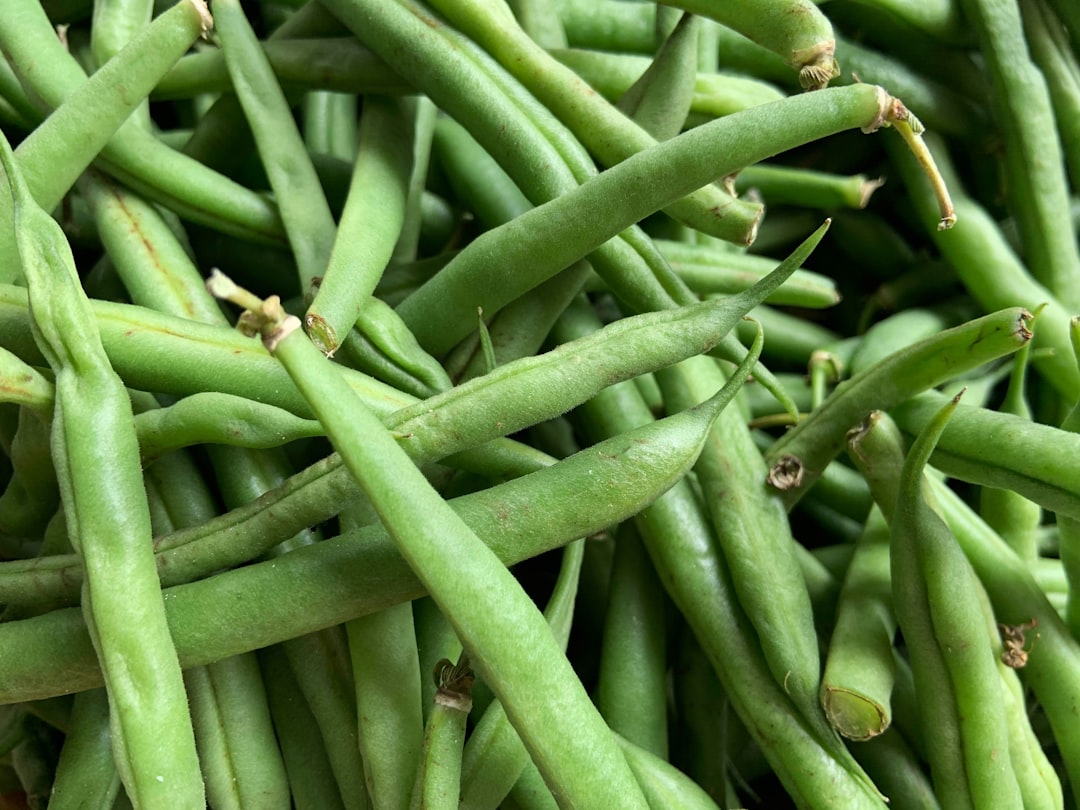
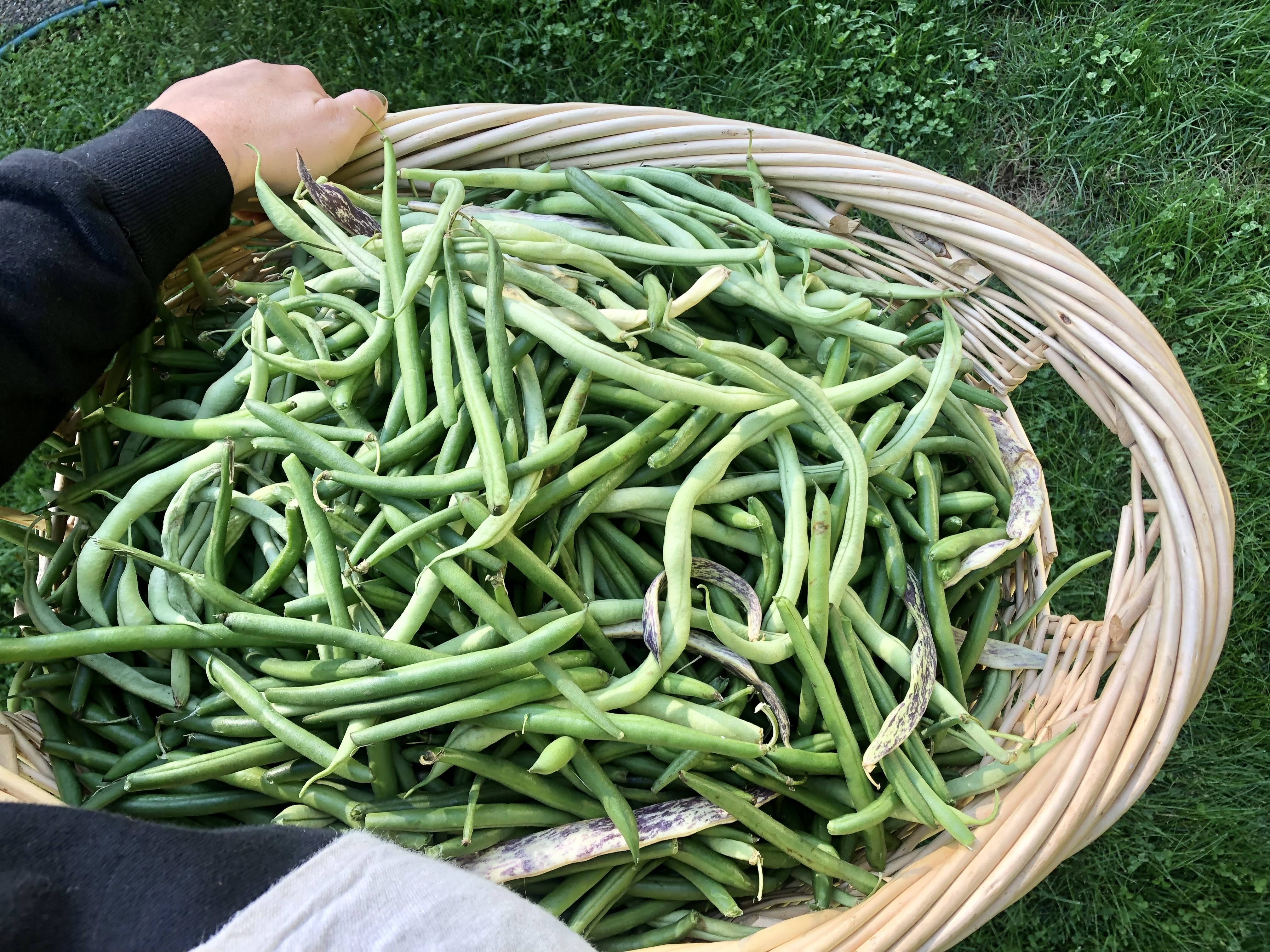
Every spring, Kitsap County gardeners plant beans expecting the same nitrogen-fixing magic that makes legumes famous. Then harvest comes in thin, plants look pale by midsummer, and nobody can figure out why. The answer is almost always the same: no rhizobium bacteria in the soil, and no inoculant added at planting time.
Beans belong to the Fabaceae family, the nitrogen-builders in any good crop rotation plan. But that nitrogen-fixing reputation depends entirely on a partnership between the plant roots and a specific soil bacterium called rhizobium. Without it, beans behave like any other crop — pulling nitrogen from the soil instead of adding to it.
Why Kitsap County Soil Often Lacks Rhizobium
Rhizobium bacteria are naturally present in soils that have grown legumes recently and consistently. Many Kitsap County properties are new construction sites, converted lawns, or beds that have never hosted beans, peas, or other legume cover crops. That means the specific bacterial strains beans need simply aren't there in useful numbers.
Our region's acidic, clay-heavy soils compound the problem. Rhizobium populations decline in low pH conditions, and heavy winter rains can leach away what little bacterial activity exists near the surface. If you've had your soil tested and found a pH below 6.0, don't be surprised if your beans have struggled even in otherwise decent soil.
What Most Gardeners Don't Know
Not all inoculants are interchangeable. Different rhizobium species pair with different legume groups. A soybean inoculant powder formulated for edamame won't reliably nodulate green beans, and a pea inoculant won't do much for favas. Look for products labeled specifically for garden beans, or choose a multi-species blend that lists Rhizobium leguminosarum or Rhizobium phaseoli — the strains that colonize common bean roots.
Inoculant is also a living product with a shelf life. Powder that's been sitting in a garage for two seasons may have far fewer viable bacteria than the package suggests. Buy fresh each year, store it in a cool dark place, and check the expiration date before you commit an entire planting to it.
How to Apply Inoculant Correctly
- Moisten seeds slightly with water before applying — dry seed won't hold the powder
- Coat seeds evenly in the black inoculant powder just before planting, not hours ahead of time
- Plant inoculated seed the same day; sunlight and drying air kill the bacteria quickly
- Avoid mixing inoculant with chemical fertilizers or treated seed, which can reduce bacterial survival
This same process applies whether you're planting bush beans, pole beans, edamame, or cover crop legumes. If you're growing fava beans as a winter cover crop, inoculating at planting sets up the nitrogen contribution that makes favas so valuable ahead of spring planting.
Signs Your Beans Are Actually Fixing Nitrogen
Pull up a bean plant mid-season and check the roots. Healthy nodulation looks like small pink or reddish bumps clustered along the root system. Pink coloring means the nodule is actively fixing nitrogen; white or green interiors mean the relationship hasn't kicked in yet, or the strain doesn't match your bean variety.
Gardeners who skip inoculant often get by for a season or two if legumes have grown nearby before, but yields typically decline year over year as native rhizobium populations fail to establish without reinforcement. This is especially common in Kitsap County's newer garden beds and in beds recently converted from lawn.
Beyond the Bean Bed
Inoculating isn't just about this season's harvest. Beans that successfully fix nitrogen leave residual nitrogen in the soil for whatever follows in rotation — a key reason legumes are positioned as soil-builders between heavy feeders. When you turn in spent bean plants at season's end, that nitrogen becomes available to next year's crop instead of being wasted.
For gardeners planning a full legume lineup — bush beans, pole beans, peas, or edamame — inoculant is one of the cheapest, highest-leverage investments available. A small packet costs a few dollars and can be the difference between a bean patch that merely survives and one that visibly transforms the soil underneath it. Pair it with proper variety selection from our bean growing guide for the best results Kitsap County soil can produce.