Raised Beds vs. Ground Planting: Which Wins in Kitsap County?
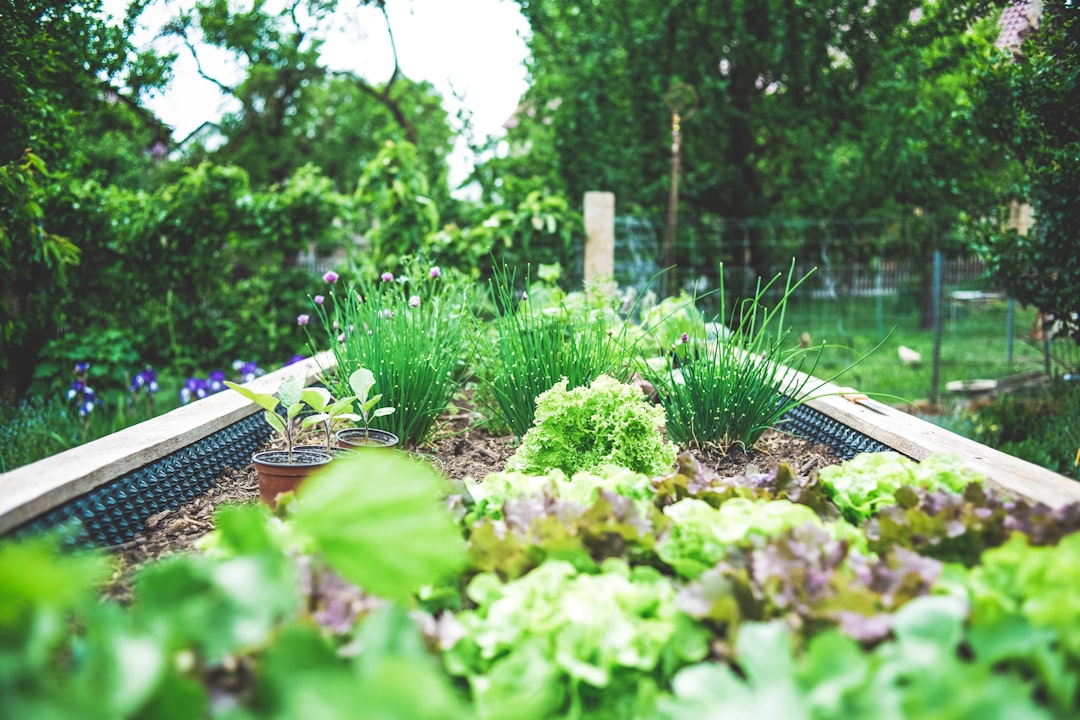
If you've spent even one wet spring in Kitsap County watching seeds rot in waterlogged soil, you've probably wondered whether a raised bed would have saved everything. Maybe you've also watched a neighbor's in-ground garden thrive and wondered if all that lumber and fill was really necessary. The honest answer is that both methods work here — but they work differently, for different yards, different goals, and different gardeners. Let's break it down.
Why This Question Matters More in Kitsap County
Kitsap County sits in a rain shadow of sorts, but that doesn't mean it's dry. Our winters are persistently wet, our native soils lean toward heavy clay in many neighborhoods, and our growing season — while longer than inland regions — still compresses heat-loving crops into a narrower window than gardeners on the east side of the Cascades enjoy. These conditions make the raised bed versus in-ground decision genuinely consequential, not just a matter of aesthetics.
If your yard has clay soil that drains poorly, a raised bed isn't just convenient — it may be the difference between a functional food garden and a muddy frustration. On the other hand, if your yard has deep, loamy, well-draining soil and you're planning a large food forest or orchard understory, in-ground planting makes far more ecological and economic sense.
The Case for Raised Bed Kits in Kitsap County
Raised garden bed kits have become a practical entry point for families who want to grow food without undertaking a full landscape overhaul. A good raised garden bed kit gives you a defined, manageable growing area with controlled soil conditions from day one. In Kitsap County, that matters for several reasons.
Drainage Control
Clay-heavy native soil stays cold and saturated well into spring. Raised beds drain faster, warm up sooner, and allow you to start planting two to four weeks earlier than equivalent in-ground beds in the same yard. For crops like tomatoes and peppers that need every degree of warmth the Pacific Northwest can offer, this head start is meaningful. You can read more about growing tomatoes in Kitsap County and see just how much early soil warmth matters to their success here.
Soil Quality on Your Terms
When you build or install a raised bed, you fill it with exactly the soil blend you choose. This is especially valuable if your native ground is compacted, contaminated, or simply nutrient-poor. A quality mix of compost, topsoil, and aged organic matter gives your plants an immediate advantage. Pairing that with a worm bin or active compost system means your beds keep improving year over year. If you haven't yet considered worm bins for building garden fertility, they work exceptionally well alongside raised bed growing.
Ergonomics and Accessibility
Raised beds reduce the physical strain of gardening. For families with young children, older adults, or anyone managing physical limitations, being able to garden comfortably without kneeling in cold mud is not a minor benefit — it's the thing that keeps people gardening year after year.
Pest and Weed Pressure
Raised beds don't eliminate slugs — nothing in Kitsap County does — but they can reduce ground-level slug pressure somewhat, especially when paired with copper tape or other barriers. Weed pressure is also lower in a freshly filled raised bed, at least in the first few seasons. You can learn more about identifying and managing slug damage whether you're growing in beds or in the ground.
Crop Rotation Made Easier
At Roots and Wings Gardening, we rotate by botanical family, not by individual plant. Heavy feeders like Solanaceae and Cucurbitaceae go first, followed by nitrogen-builders from the Fabaceae family, then soil-restorers like Apiaceae and Amaranthaceae. You should never plant the same family in the same bed within a three-to-four-year window. Raised beds make this tracking far simpler because each bed is a clearly defined unit. Keeping a rotation log bed by bed is much easier than managing a large, irregular in-ground plot.
The Case for In-Ground Planting in Kitsap County
In-ground growing is not second-best. For many applications and many yards, it is the right choice — and in some cases, the only ecologically coherent one.
Scale and Economics
Raised bed kits require an upfront investment in materials and fill soil. For small to medium kitchen gardens, that investment pays off quickly. But if you're planning a large-scale food production system — think half an acre of mixed vegetables, a food forest, or a full homestead-style setup — the cost and labor of building enough raised beds becomes prohibitive. In-ground growing scales in a way that raised beds simply don't.
If you're interested in designing a larger, layered growing system, our guide to planning a Kitsap County food forest explores how in-ground production fits into a regenerative landscape.
Deep-Rooted Crops
Some crops genuinely prefer the depth and continuity of native soil. Parsnips, for instance, can reach eighteen inches or more. Asparagus roots spread laterally for years and need permanent, undisturbed soil. Fruit trees and berry shrubs establish far better in the ground than in any contained system. If you're planting a long-term investment like asparagus or blueberries, in-ground is almost always the better path.
Moisture Retention in Dry Summers
Kitsap County summers can run surprisingly dry from July through September. Raised beds dry out faster than in-ground soil — sometimes much faster — which means more frequent watering and greater drought stress on plants. In-ground beds hold moisture longer and buffer temperature swings more effectively. For drought-tolerant or deep-rooted crops, the native soil profile is an asset, not a liability. Our summer watering guide for Kitsap County gardens is worth reading regardless of which method you choose.
Ecosystem Integration
In-ground gardens connect directly to the broader soil web — mycorrhizal networks, earthworm populations, beneficial insects living at soil level. Raised beds are somewhat isolated from these systems, though a well-managed bed will develop its own living soil community over time. If regenerative stewardship is a core goal for you, in-ground growing invites deeper integration with your local ecosystem.
What About Amending In-Ground Soil?
If in-ground growing appeals to you but your native soil is discouraging, the answer isn't necessarily to abandon the ground — it's to improve it. Spring soil preparation with generous additions of compost, aged leaf mulch, and cover cropping can transform even heavy Kitsap clay over two to three seasons. Autumn leaf mulch is one of the most underused free resources available to Kitsap County gardeners, and it does remarkable work in loosening and feeding native soil when applied consistently.
Cover cropping is another powerful tool for in-ground soil building. Legume cover crops fix atmospheric nitrogen directly into your soil, reducing the need for amendments and improving structure season after season.
Can You Do Both?
Yes — and many productive Kitsap County gardens do exactly that. A common and sensible approach is to use raised bed kits for annual vegetables that need controlled soil conditions, early starts, and close management, while reserving in-ground space for perennial crops, fruit trees, berry shrubs, and cover-cropped rotation beds. This hybrid approach gives you the control of a raised bed system where it matters most, while keeping costs reasonable and maintaining connection to the broader landscape.
If you're working with limited space, vertical gardening techniques can help you maximize production in raised beds without needing to expand your footprint. And if you're thinking year-round, cold frames placed over raised beds are one of the most effective ways to extend your Kitsap County growing season at both ends.
Raised Bed Kit Selection: What to Look For
If you've decided that a raised garden bed kit is right for your yard, a few criteria are worth prioritizing for the Pacific Northwest climate specifically.
- Material durability: Kitsap County's wet winters are hard on untreated wood. Look for cedar, redwood, or rot-resistant composite materials. Avoid pressure-treated lumber near food crops unless it meets current food-safe standards.
- Depth: A minimum of twelve inches suits most annual vegetables. Eighteen inches is better for root crops like carrots and parsnips. Shallow kits under eight inches limit your crop options significantly.
- Drainage: The kit itself doesn't need a drainage system — the open bottom handles that — but placement matters. Avoid setting raised beds over hardpan, concrete, or areas with zero drainage below. If hardpan is unavoidable, a layer of gravel beneath the bed can help.
- Size: Beds no wider than four feet allow you to reach the center from either side without stepping in and compacting the soil. Length is flexible, but longer beds require more fill material and can be harder to move if your plans change.
The Roots and Wings Perspective
At Roots and Wings Gardening, we don't believe in a single right answer for every yard. What we do believe is that the best growing system is the one a family will actually use, maintain, and build on year after year. Raised bed kits lower the barrier to entry for many families, and the raised garden bed kit has genuinely made food growing more accessible for busy households who don't have time to overhaul native soil before their first harvest. At the same time, we always encourage our clients to think long-term — to see the ground beneath their feet as a living system worth investing in, not just a substrate to be bypassed.
Whether you start with a single raised bed kit or dig your first in-ground row this season, the most important thing is that you start. Kitsap County's climate, while imperfect for some crops, rewards consistent, attentive growing. The soil here is workable. The growing season is real. And the satisfaction of feeding your family from your own yard is exactly as good as you've heard.