
Raised Bed Soil Mixes Kitsap County Gardeners Get Wrong
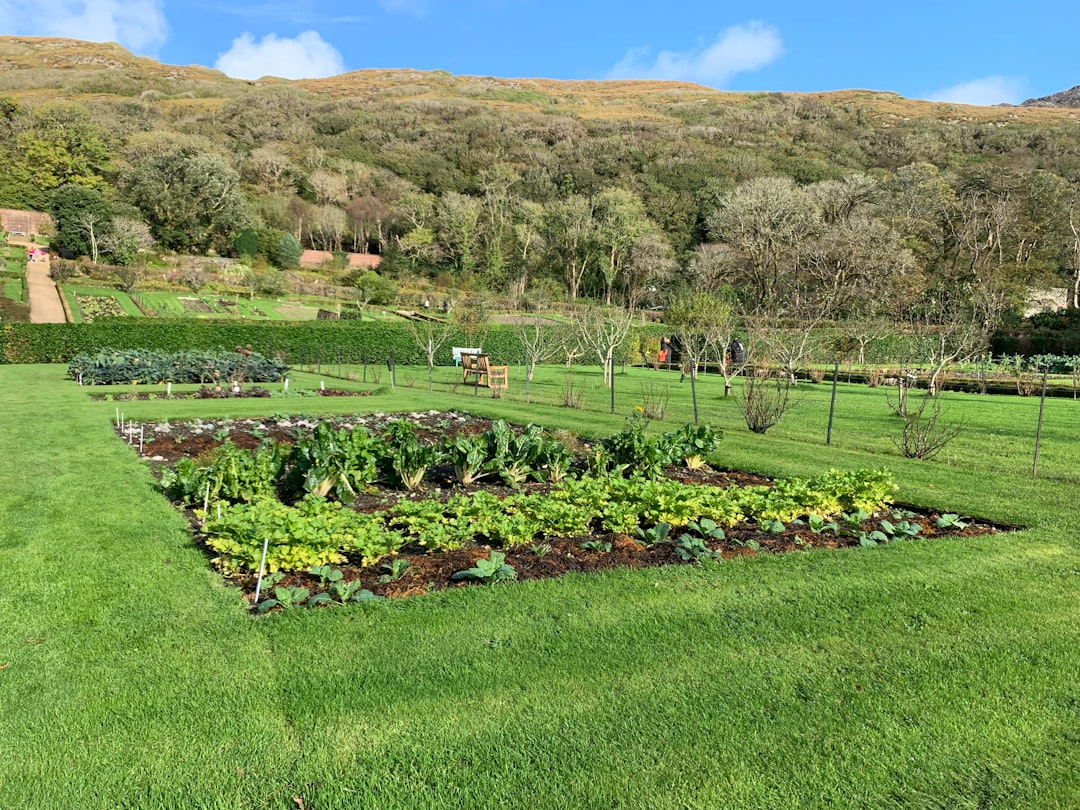
Walk into any garden center in Kitsap County during spring and you'll see stacks of bagged "raised bed soil" flying off pallets. Gardeners fill their new beds, plant with excitement, and then spend the season wondering why tomatoes yellow, roots rot, or nothing seems to grow as vigorously as promised. The problem almost never starts with the plants. It starts with the mix beneath them.
**The Fill Isn't the Problem — What's Under It Is**
One of the most common questions we hear is do raised beds need drainage, and the honest answer is yes, almost always, especially here. Kitsap's heavy clay subsoil and our famously wet fall-through-spring stretch mean that a raised bed built directly atop compacted native clay can become a bathtub. Water pools at the base, roots sit in saturated soil, and even a beautifully blended mix on top can't compensate for poor drainage underneath.
Before filling a new bed, loosen the native soil at the base with a broadfork or shovel. If you're working over particularly dense clay, read our guide on managing clay soil in Kitsap County for amendment strategies that prevent this exact bathtub effect. For beds already showing signs of waterlogging, our piece on fixing drainage in flooded beds walks through remediation options that don't require a full teardown.
**Why Bagged "Raised Bed Mix" Often Falls Short**
Most bagged mixes are heavy on bark fines and light on actual nutrition. They drain well initially, which feels like a win, but they compact within a season or two and offer little in the way of sustained fertility. This is one of the biggest reasons quality raised garden beds outperform quick-fix bagged solutions — the soil structure needs to support biology, not just drainage.
A better approach blends:
- Coarse compost (30-40%) for nutrient cycling and moisture retention
- Aged bark fines or coir (20-30%) for structure and aeration
- Native topsoil, if reasonably loamy, (20-30%) to introduce local microbial life
- A smaller portion of coarse sand or pumice for beds prone to sitting wet
This blend mimics what regenerative growers aim for: living soil that feeds itself over time rather than requiring constant amendment. If you haven't tested your native soil's baseline before blending, our soil testing guide explains when it's worth the effort.
**Why Raised Garden Beds Are Better When the Foundation Is Right**
The whole argument for why raised garden beds are better than in-ground planting hinges on control — control over soil composition, drainage, and warmth in our short, wet season. But that advantage evaporates if the bed is filled with the wrong mix. A raised bed with proper drainage and living soil warms faster in spring, drains excess rain efficiently, and gives roots the loose structure they need to spread. A raised bed filled with cheap, compacted fill offers none of those benefits — it's just an expensive box.
For a fuller comparison of the tradeoffs, see raised beds vs. ground planting, which breaks down when in-ground growing might actually suit your site better.
**Don't Forget the Living Component**
Soil mix isn't just minerals and organic matter — it's biology. New raised beds, especially those built with fresh bagged materials, often lack the fungal networks that established garden soil develops over years. If you're transplanting into a brand-new bed this season, read about protecting mycorrhizal networks so you don't accidentally undo the biological benefits of a well-built mix with excessive tilling or synthetic fertilizer.
**Rotation Still Applies in Raised Beds**
A well-built raised bed doesn't exempt you from good rotation practice. Heavy feeders like tomatoes, peppers, and squash still deplete the same nutrients whether they're in a box or in the ground. Follow our crop rotation guidance to keep your raised bed soil productive for years rather than needing a full rebuild every season.
**Getting It Right the First Time**
Building a raised bed with the right foundation, drainage, and soil blend from day one saves years of frustration. For the full build process, our comprehensive guide on building a raised garden bed in Kitsap County covers construction, drainage layers, and plant selection in more depth. When gardeners come to us frustrated with underperforming beds, the soil mix and drainage are almost always where the real problem hides.

"Holly completely transformed our estate! From planning raised beds to planting a variety of vegetables, she made everything so simple and approachable. Not only do we have a thriving garden now, but she taught us how to care for it ourselves. Her passion and knowledge are unmatched - I can’t recommend her enough!"
Lori H.
Private Gardening Client