
Peppers Overwintered Indoors Give Kitsap County Gardens a Head Start
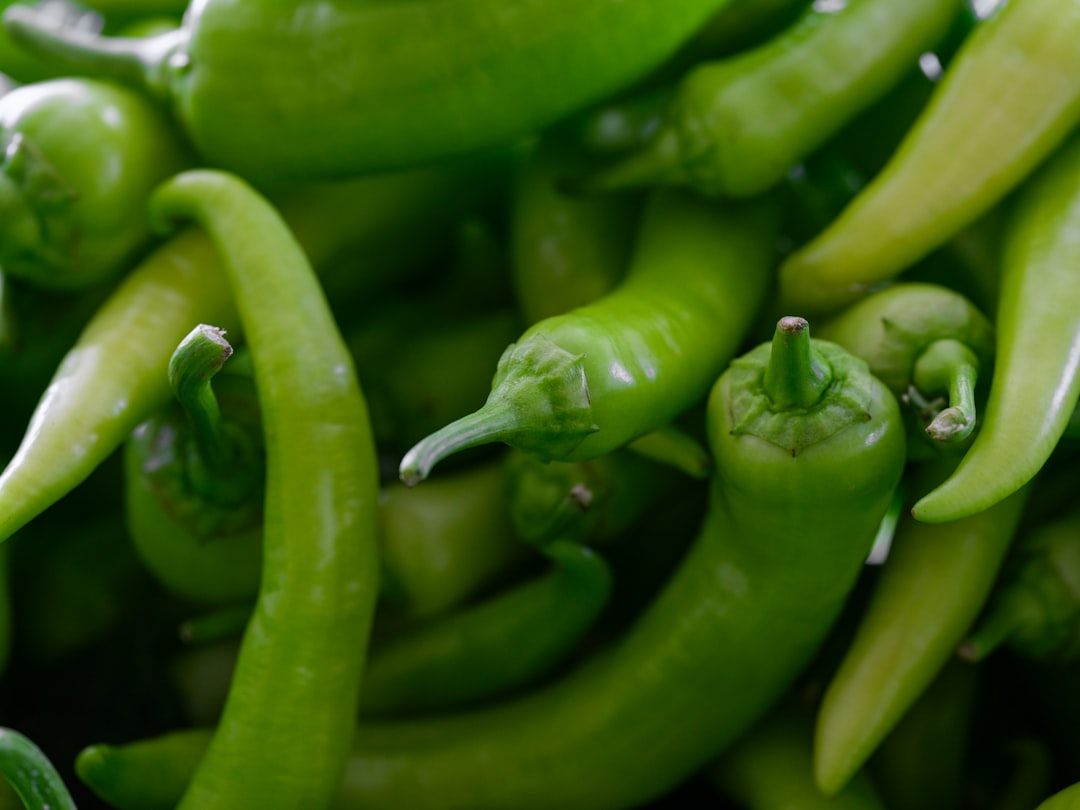
Every October, Kitsap County gardeners pull up healthy, still-producing pepper plants and toss them on the compost pile simply because the calendar says frost is coming. It's an understandable habit — peppers are grown as annuals almost everywhere in the U.S. — but it's also a missed opportunity. Peppers are tender perennials in their native range, and with our region's mild Zone 8 winters, they can be coaxed through the cold months indoors and set back outside next spring already established, already flowering, and weeks ahead of anything started from seed.
Peppers Aren't Actually Annuals
Botanically, pepper plants (Capsicum species) belong to the same family as tomatoes, eggplant, tomatillos, and potatoes — the Solanaceae. Like their cousins, they're perennial in frost-free climates and can live for several years, growing woodier and more productive each season. The only reason we treat them as annuals in the Pacific Northwest is that our winters, while mild by national standards, are still too cold and too wet for peppers to survive outdoors unprotected. If you've dealt with blossom drop on your tomatoes this summer, you already know how sensitive Solanaceae crops are to temperature stress — peppers share that same delicate threshold, which is exactly why they need to come inside before real cold arrives.
What Most Kitsap County Gardeners Don't Know
A pepper plant that survives winter indoors doesn't start over from scratch in spring. It keeps its existing root system and woody stem structure, which means it can flower and fruit far sooner than a seedling started indoors in February. Given our short outdoor growing season, this head start often means the difference between a modest handful of peppers and a genuinely productive harvest before fall rains return. It's the same logic behind overwintering other tender perennials in Kitsap gardens — protect the plant through the cold months, and it rewards you with earlier, stronger growth the following year.
How to Overwinter Pepper Plants Outside vs. Indoors
True outdoor overwintering isn't realistic here — Kitsap's damp winter soil rots pepper roots before cold even becomes the main problem. Instead, think of this as a two-step process: preparing the plant outdoors in fall, then moving it into protected conditions for the winter. A few gardeners have success with unheated cold frames for a short transitional period in early fall, but peppers ultimately need to come fully indoors once nighttime temperatures drop into the 40s.
Step 1: Choose the Right Plant
Not every pepper is worth the effort. Select healthy, disease-free plants — ideally ones that haven't struggled with pests or fungal issues over the summer. Smaller, younger plants transition indoors more easily than large, sprawling ones, so container-grown peppers have a natural advantage here.
Step 2: Cut Back and Pot Up
Before the first frost threat (typically mid-to-late October in Kitsap), dig up in-ground plants and pot them, or simply move container plants indoors. Prune the plant back by about one-third to one-half. This reduces the leaf surface the roots need to support and helps the plant focus energy on survival rather than growth.
Step 3: Inspect for Hitchhikers
Check thoroughly for aphids, spider mites, and slug damage before bringing plants inside — anything you miss will multiply indoors without natural predators to keep it in check.
Step 4: Give It a Bright, Cool Spot
A south-facing window is ideal, though a grow light works well if window space is limited. Peppers overwintering indoors don't need warmth to actively grow — they need enough light to stay alive and enough cool temperature (55–65°F) to stay semi-dormant.
Step 5: Water Sparingly
This is where most Kitsap gardeners go wrong. Overwintering peppers need far less water than actively growing plants. Let the soil dry out significantly between waterings — root rot from overwatering is the number one cause of failure.
Growing Peppers Indoors Over Winter: What to Expect
Don't expect much visible activity for the first few months. The plant may drop most or all of its leaves — this is normal and not a sign of death. Some gardeners see new leaf growth by late January as daylight lengthens; others don't see movement until they harden the plant off outdoors again in spring. Either way, resist the urge to fertilize during the dormant stretch, as this can push weak, leggy growth that the plant isn't equipped to support.
Bringing Plants Back Outside
Once nighttime temperatures reliably stay above 50°F — usually late April to mid-May in Kitsap County — begin hardening the plant off gradually, just as you would with any transplant. A pepper that's overwintered successfully often flowers within weeks of returning outdoors, giving you a serious jump on the season. Pair this technique with good crop rotation practices when replanting, since Solanaceae crops shouldn't return to the same bed within three to four years.
Worth the Effort?
Overwintering peppers isn't necessary for a good harvest, but for gardeners who've fallen in love with a particular variety — a specific heat level, flavor, or heirloom shape — it's a genuinely rewarding way to carry that exact plant into another year rather than starting from seed and hoping for the same results. If you're still deciding which varieties are worth this kind of investment, our guide to growing peppers in Kitsap County covers the best-performing types for our climate.

