Deer-Resistant Plants That Thrive in Kitsap County Gardens

If you garden in Kitsap County, you already know the feeling. You walk outside in the morning to find your carefully tended beds stripped overnight. Hostas gone. Tulip stems snapped clean. Rose buds chewed to stubs. Deer pressure here is real, persistent, and not going anywhere soon.
Washington State supports one of the largest black-tailed deer populations in the Pacific Northwest. While precise statewide counts are difficult to pin down, the Washington Department of Fish and Wildlife estimates the state's combined deer population — black-tailed, mule deer, and white-tailed combined — regularly exceeds 500,000 animals. In western Washington and the Kitsap Peninsula specifically, black-tailed deer are the dominant species. They are highly adaptable, comfortable in suburban and semi-rural environments, and increasingly dependent on residential landscapes for food, especially as natural habitat gets fragmented. In short: if you have a garden in Kitsap County, deer are a neighbor you did not invite but cannot evict.
The good news is that deer-proofing your garden does not have to mean ugly fencing or constant vigilance. The most effective long-term strategy is choosing plants that deer simply do not want to eat in the first place. This guide walks you through the best deer-resistant plants that actually thrive in Kitsap County's cool, wet climate — ornamentals, herbs, edibles, and natives alike.
Why Deer-Resistant Planting Is the Most Sustainable Strategy
Deer repellent sprays work temporarily but require constant reapplication, especially after rain — and Kitsap County gets plenty of that. Motion-activated sprinklers help but are not foolproof. Full perimeter fencing is expensive and not always permitted or practical on smaller residential lots.
Planting with deer in mind from the start is the most regenerative approach. You build a landscape that works with nature's pressures rather than fighting them season after season. This aligns with the philosophy at Roots and Wings Gardening: steward the ecosystem you have, choose what belongs, and design for long-term abundance rather than constant intervention.
How Deer Choose What to Eat
Deer are browsers, not grazers. They select food based on smell, texture, and palatability. Plants that are heavily aromatic, bitter, fuzzy, thorny, or toxic tend to be avoided. Plants that are tender, sweet, and lush — especially newly transplanted or heavily watered specimens — are prime targets.
A few important caveats before diving into the plant list:
- No plant is 100% deer-proof. A hungry deer, especially in late winter or early spring when natural forage is scarce, will eat almost anything.
- Newly planted specimens of even deer-resistant species may get sampled before deer learn to avoid them.
- Young, tender new growth is always more vulnerable than mature foliage.
- Deer behavior is regional and even neighborhood-specific. Plants that get ignored in one yard may be browsed in another.
With those caveats noted, the following plants have a strong track record of being left alone by deer in Pacific Northwest gardens, and all of them grow well in Kitsap County's climate.
Deer-Resistant Ornamentals for Kitsap County
Lavender (Lavandula spp.)
Lavender's intense fragrance is one of the most reliable deer deterrents in any garden. Deer rely heavily on smell to assess food, and they typically walk right past lavender. It also happens to be a superb pollinator plant. English lavender varieties like Hidcote and Munstead perform well in Kitsap's climate, particularly in well-drained beds or raised areas where our heavy winter rainfall does not pool around the roots. If you are working to attract pollinators to your Kitsap County garden, lavender is one of the highest-value plants you can add.
Rosemary (Salvia rosmarinus)
Resin-heavy and strongly aromatic, rosemary is rarely touched by deer. In sheltered Kitsap microclimates it can overwinter successfully, particularly when planted against a south-facing wall or fence. Upright varieties like Tuscan Blue make excellent structural plants. Prostrate forms work beautifully as ground covers on slopes. As an added bonus, rosemary is one of the best culinary herbs you can grow, and if you are expanding your herb garden, the complete guide to growing herbs in Kitsap County covers varieties and care in full detail.
Salvia (Salvia spp.)
Ornamental salvias — both annual and perennial types — are strongly aromatic and almost universally avoided by deer. They also bloom for extended periods and come in a wide range of colors. Salvia nemorosa varieties like Caradonna and May Night are reliably perennial in Kitsap. Salvia 'Hot Lips' is a showy option that adds bold red and white color through late summer and fall.
Catmint (Nepeta spp.)
A workhorse plant in deer-resistant gardens everywhere. Catmint produces soft lavender-blue flower spikes from late spring through fall and has a minty fragrance deer find off-putting. It is drought-tolerant once established, attracts bees heavily, and spreads into a generous flowering mound. Cut it back hard after the first flush of bloom and it will rebound and flower again. Walker's Low is the most widely available and reliable variety for Pacific Northwest gardens.
Foxglove (Digitalis purpurea)
Foxglove is toxic to deer and they instinctively avoid it. It is also a biennial that self-seeds reliably in Kitsap's cool, moist conditions, meaning once you establish it in a bed, it tends to perpetuate itself. The tall spires of tubular flowers in pink, purple, white, and cream are striking in woodland-edge gardens and shaded borders. If you are working with limited sun, foxglove is an excellent addition to your toolkit — along with other options covered in our guide to shade gardening solutions that actually work in Kitsap County.
Hellebore (Helleborus spp.)
Hellebores are mildly toxic to deer and consistently ignored. They are also one of the best plants for deep shade in Kitsap County, flowering in late winter and early spring when almost nothing else is blooming. Once established they are nearly maintenance-free and will slowly self-seed to fill a bed. Their evergreen foliage provides year-round structure in shaded areas.
Lamb's Ear (Stachys byzantina)
The dense, woolly texture of lamb's ear leaves makes them highly unappealing to deer. They cannot get a clean bite through the fuzz, and they move on. Lamb's ear spreads readily, making it an effective ground-cover option in sunny or lightly shaded spots. It pairs beautifully with salvias, catmint, and ornamental grasses in a deer-resistant planting scheme.
Russian Sage (Perovskia atriplicifolia)
Aromatic, silvery, and airy, Russian sage is rarely browsed by deer. It blooms in late summer with hazy purple flower spikes and is extremely drought-tolerant once established — a valuable quality during Kitsap's dry summers. Pair it with dahlias or rudbeckia for a striking late-season display. Speaking of dahlias — while deer will occasionally browse them, the variety and reward they offer may still make them worth protecting with some targeted fencing; our post on why dahlias deserve a place in every Kitsap County garden makes a compelling case.
Yarrow (Achillea millefolium)
Yarrow's ferny, aromatic foliage is a reliable deer deterrent. It is also one of the most ecologically valuable plants you can grow — a top nectar source for beneficial insects and native bees. Yarrow spreads by rhizome and self-seeds, making it excellent for naturalizing areas you want to fill with low-maintenance, deer-resistant coverage. It tolerates poor soil and dry conditions well.
Ornamental Alliums
All members of the allium family — onions, garlic, leeks, chives, and their ornamental cousins — are strongly avoided by deer. The sulfurous compounds that give alliums their pungent smell and flavor are deeply unappealing to browsing animals. Large-flowered ornamental alliums like Gladiator, Purple Sensation, and the giant Allium giganteum make spectacular spring bulb displays and are completely ignored by deer. Interplanting them with more vulnerable spring bulbs like tulips can provide some protective benefit through scent association. For more on spring bulb options worth planting in Kitsap, see our guide to early spring flowering bulbs worth planting in Kitsap County.
Deer-Resistant Natives for Kitsap County
Sword Fern (Polystichum munitum)
One of the most iconic plants of the Pacific Northwest forest understory, sword fern is tough, evergreen, and almost never browsed by deer. It thrives in Kitsap's shaded, moist conditions, requires minimal care once established, and provides year-round green structure in woodland-style plantings. It is an outstanding option for difficult shaded areas under conifers where little else will grow.
Oregon Grape (Mahonia aquifolium)
The spiny, holly-like leaves of Oregon grape are an effective physical deterrent to deer browsing. The plant is also a valuable native, providing early spring nectar for pollinators and berries for birds in fall and winter. It tolerates deep shade, poor soil, and dry summer conditions once established — a genuinely low-maintenance option for problem areas.
Red-Flowering Currant (Ribes sanguineum)
This Pacific Northwest native shrub produces cascades of deep pink flowers in very early spring and is rarely bothered by deer. It is one of the first nectar sources available to hummingbirds and early native bees. Red-flowering currant tolerates partial shade and a wide range of soil conditions. It can reach six to eight feet in height and makes an excellent informal hedge or woodland-edge shrub.
Bleeding Heart (Dicentra formosa — native species)
The native Pacific bleeding heart is toxic to deer and consistently left alone. It naturalizes readily in moist, shaded conditions — exactly the type of environment found under Kitsap's abundant conifers and deciduous canopy. The ferny foliage and pendant pink flowers are delicate and beautiful, and the plant spreads gently over time to create a soft ground-cover layer in woodland gardens.
Kinnikinnick (Arctostaphylos uva-ursi)
A native ground cover that deer largely ignore. Kinnikinnick forms a low, dense evergreen mat with small pink flowers in spring and red berries in fall. It is exceptionally drought-tolerant once established and thrives in the sandy, well-drained soils found in parts of Kitsap County. It is an excellent choice for slopes, rock gardens, or areas where you need permanent low-maintenance coverage. For more native ground cover options that suppress weeds and hold up against deer, see our post on native ground covers winning against weeds in Kitsap County.
Deer-Resistant Herbs and Edibles
Many culinary herbs are among the most reliable deer-resistant plants you can grow. Their aromatic oils evolved partly as defenses against herbivores, and deer have learned to respect that. The following edibles and herbs are generally left alone and grow exceptionally well in Kitsap's climate.
Garlic
Deer almost never touch garlic. Plant it in fall, harvest in midsummer, and enjoy one of the most effortless and reliable crops in the Kitsap garden — completely deer-proof from planting to harvest. For a full guide, see how to grow garlic in Kitsap County.
Chives and Leeks
All allium family members, including chives, leeks, and onions, are strongly repellent to deer. Chives in particular are extremely easy to grow, self-seed freely, and can be planted throughout the garden as a deterrent border. Leeks and onions are similarly ignored and thrive in Kitsap's cool growing conditions.
Fennel
Fennel's strong anise-like fragrance makes it deeply unappealing to deer. It is also a beautiful, structural plant in the garden with feathery foliage and flat-topped yellow flower heads that attract a remarkable range of beneficial insects. Fennel grows particularly well in Kitsap County's cool climate and can reach impressive heights in a single season.
Artichokes
Artichokes are large, architectural, and spiny — characteristics that deer tend to avoid. They are also surprisingly well-suited to Kitsap's maritime climate and can be grown as perennials in many Kitsap locations with minimal winter protection. The giant silvery leaves make a bold visual statement even when the plants are not in production.
Rhubarb
The oxalic acid in rhubarb leaves makes them toxic to mammals, including deer. The plants are almost never browsed. Rhubarb is also one of the most reliable and low-maintenance perennial crops you can establish in a Kitsap garden, returning year after year with minimal attention.
Mint
Strongly aromatic and invasive by nature, mint is left alone by deer. Grow it in containers to prevent it from spreading uncontrolled through your beds, but consider using it as a strategic perimeter plant around more vulnerable edibles. The scent alone may discourage browsing in adjacent areas.
Peonies: A Surprising Addition to the Deer-Resistant Garden
Peonies are one of the most reliably deer-resistant ornamental perennials you can grow, and they happen to be spectacularly well-suited to Kitsap County's climate. Deer rarely browse them, likely due to the compounds in the foliage and the texture of the plant's growth. If you have been wanting to add long-lived, low-maintenance beauty to your landscape without worrying about deer, peonies are an outstanding investment. Our in-depth guide to peony varieties for Kitsap County gardens covers the best varieties and how to get them established successfully.
Practical Tips for Deer-Proofing Your Kitsap Garden
Even with a largely deer-resistant planting plan, a few practical strategies will strengthen your overall approach:
- Cluster deer-resistant plants as a perimeter. Planting aromatic and thorny plants around the edges of your garden creates a sensory barrier that discourages deer from approaching more vulnerable interior plants.
- Protect new transplants. Even deer-resistant varieties can get sampled when they are newly planted. Simple wire cages or row cover for the first season gives them time to establish and develop their full aromatic defenses.
- Avoid heavy nitrogen feeding of ornamentals. Lush, heavily fertilized growth is more palatable to deer. Keep ornamentals on a lean feeding schedule.
- Use hardscape strategically. Raised beds, dense edging plants, and gravel borders create physical and psychological barriers. Our post on raised bed versus ground gardening in Kitsap County touches on some of the practical design advantages that also help with deer pressure.
- Eliminate standing water and brush near the garden perimeter. Deer are drawn to yards that offer food, water, and cover simultaneously. Reducing these attractants makes your property less of a destination.
- Interplant strategically. Mixing deer-resistant plants throughout your beds — rather than planting vulnerable species in isolated blocks — makes it harder for deer to identify and target your most desirable plants.
Plants to Avoid If Deer Pressure Is High
For the sake of completeness, a few plant categories are reliably high on the deer menu and are worth avoiding or heavily protecting if deer pressure in your area is significant:
- Tulips and lilies — among the most-browsed spring bulbs. Consider substituting with ornamental alliums, daffodils, or fritillaries, which deer avoid.
- Hostas — sometimes called "deer candy." In high-pressure areas, hostas will be eaten to the ground repeatedly.
- Roses — deer are drawn to the tender new growth and buds. Heavily thorned species roses are browsed less than hybrid teas, but none are fully resistant.
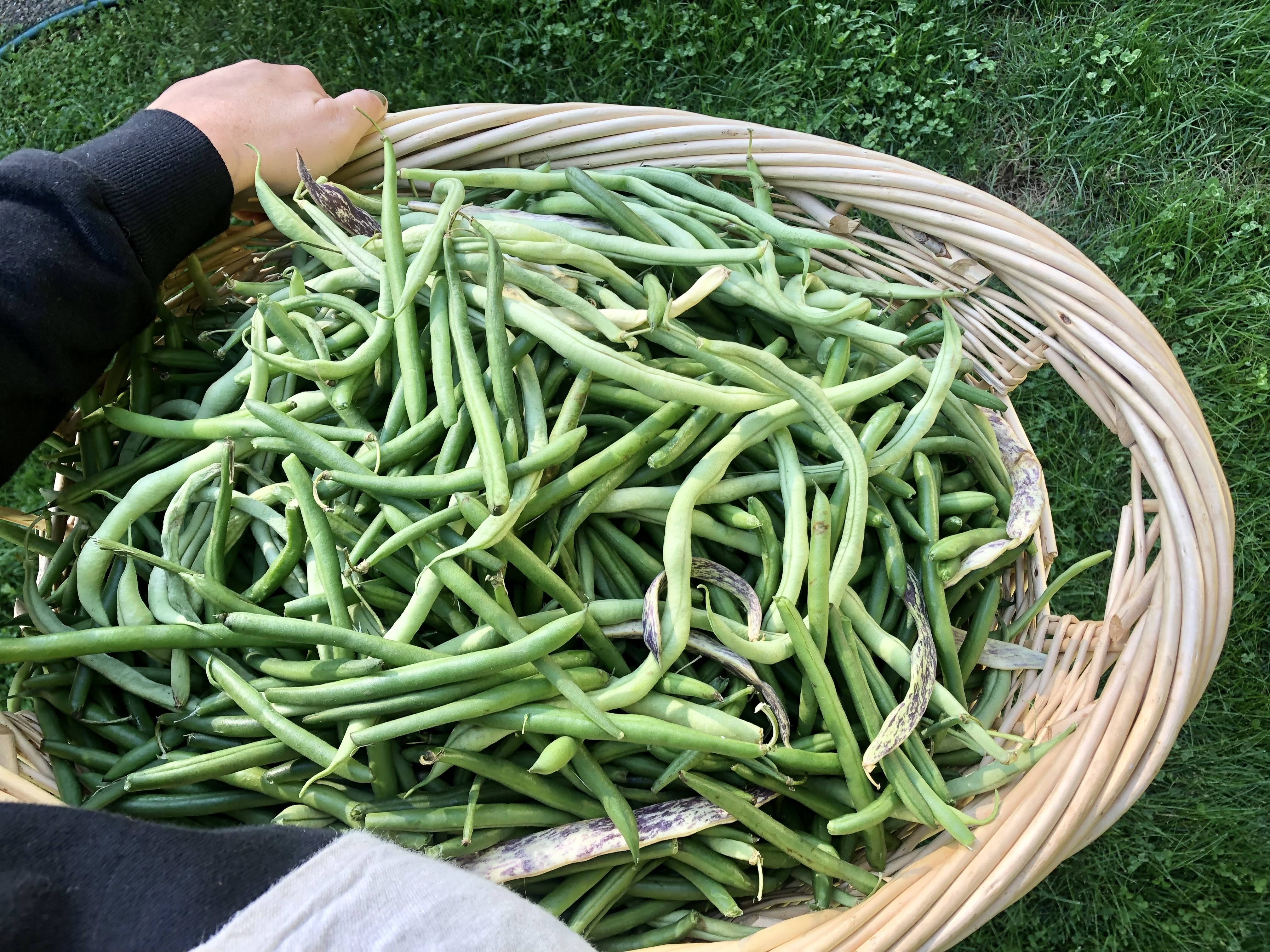
- Beans and peas — deer love the tender vines. If you are growing legumes, consider raised beds with wire covers or row cover protection. See our guides to growing beans and growing peas in Kitsap County for more on protecting these crops.
- Lettuce and leafy greens — lush, tender, and extremely palatable to deer. Raised beds with netting are essential if deer are regular visitors to your property.
Building a Garden That Works With the Land
Kitsap County's landscape is genuinely beautiful — the forest edges, the saltwater light, the cool moist air that makes so many plants thrive here. Deer are part of that landscape. Rather than treating them purely as adversaries, the regenerative approach is to design a garden that gives deer little reason to visit while still flourishing with abundance, color, and productivity.
Lean into aromatics. Choose natives wherever you can. Cluster your most vulnerable edibles in raised or enclosed beds, and fill the wider landscape with plants that deter browsing naturally. Over time, you build a garden that is genuinely resilient — one that keeps feeding your family, delighting your senses, and holding its own against whatever pressure the land brings.
That is what Roots and Wings Gardening is about: working with the ecosystem you have, not against it, and building something that lasts.