
Deep Mulching in Winter Protects Kitsap County Soil Biology
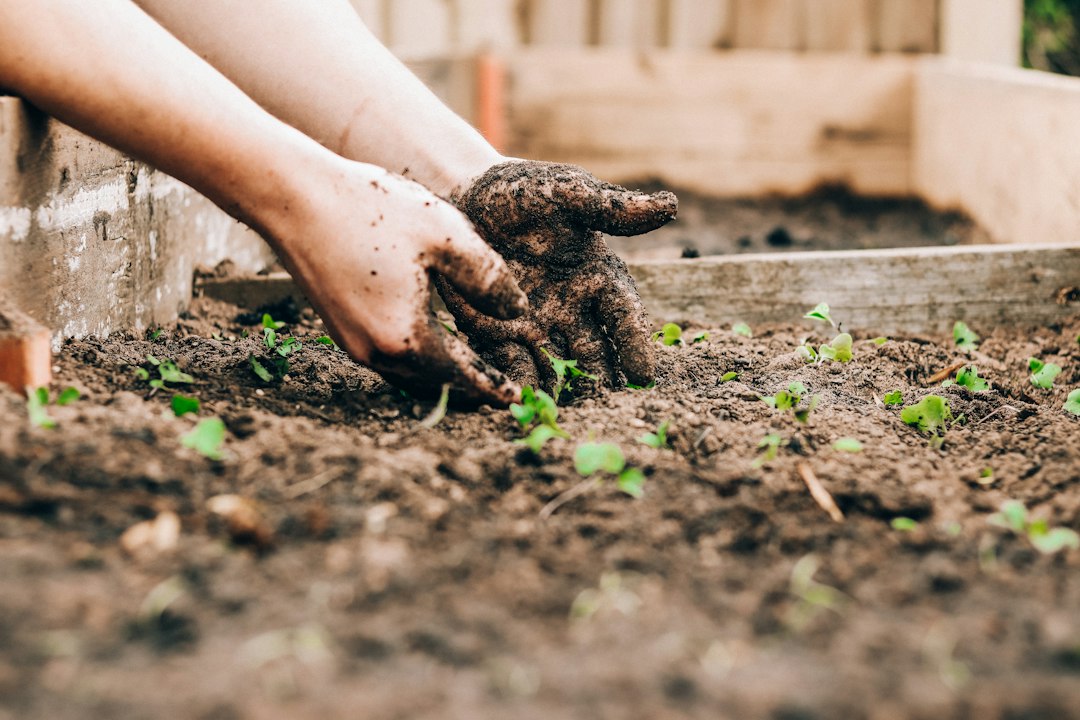
Winter in Kitsap County rarely means frozen-solid ground. Instead, our soil goes through months of saturation, chill, and freeze-thaw cycling that can be brutal on the microscopic life your garden depends on. Fungal networks, bacteria, worms, and the countless other organisms that make up healthy soil biologicals need protection just as much as your perennial beds do — and deep mulching is the most effective, low-cost way to provide it.
Why Soil Biology Needs Winter Protection
Soil biologicals — the bacteria, fungi, protozoa, and microarthropods that cycle nutrients and build soil structure — are most active and most vulnerable in the top few inches of soil. When Kitsap County's wet winters hit bare ground directly, several things happen at once: temperatures swing more dramatically, moisture pools and compacts the surface, and beneficial organisms either die off or retreat deep where they're less useful to your spring planting. A 3-to-4-inch layer of organic mulch — straw, arborist wood chips, or shredded leaves — acts as insulation, moderating soil temperature swings and keeping conditions stable enough for biological activity to continue through the cold months.
This matters enormously for the mycorrhizal fungi that partner with your vegetable roots. If you've read our piece on mycorrhizal networks Kitsap County gardeners are accidentally destroying, you already know how easily these fragile fungal threads are disrupted by tilling, compaction, or exposure. Mulch keeps the soil surface undisturbed and moist enough for these networks to persist dormant through winter rather than collapsing entirely.
Choosing the Right Mulch Material
Not all mulch performs the same way biologically. Fine materials like straw break down quickly and feed bacteria-dominated soil food webs, which suits annual vegetable beds. Coarser wood chips favor fungal-dominated biology, better suited to perennial beds, berry patches, and the base of fruit trees. If you haven't settled on a material yet, our guide on choosing the right mulch for your Kitsap County garden breaks down the tradeoffs in more detail. And if you've got a yard full of fallen leaves right now, don't bag them — our post on autumn leaf mulch as free fertilizer explains how to put them straight to work.
How Deep Is Deep Enough
For vegetable beds that have finished producing, 3 to 4 inches of mulch is the sweet spot — enough to insulate without smothering the soil surface entirely. Around fruit trees and berry shrubs, you can go slightly deeper, 4 to 6 inches, keeping the material pulled back a few inches from trunks and canes to avoid rot and rodent habitat. If you recently turned in a cover crop, layering mulch on top afterward locks in the organic matter you just worked into the soil; see our notes on turning in finished cover crops correctly for the right sequencing.
Timing Within Your Broader Winter Routine
Deep mulching works best as one piece of a complete winter shutdown. Pair it with the tasks outlined in our winter garden cleanup checklist, and if you're dealing with heavier clay areas that stay waterlogged, check our guide on managing clay soil drainage before mulching, since trapping moisture over compacted clay can do more harm than good. For raised beds specifically, revisit the soil mix mistakes Kitsap County gardeners commonly make, since mulch depth needs vary with bed composition.
Thinking Beyond the Vegetable Garden
This same mulching principle extends to the ornamental and structural side of kitsap county landscaping. Foundation plantings, hedgerows, and perennial borders all benefit from a protective winter layer that keeps root zones and surrounding soil biology intact through freeze-thaw cycles. If high winds are a regular problem on your property, our article on protecting Kitsap County gardens from winter wind damage pairs well with mulching strategy, since wind-exposed beds lose moisture and heat faster and need extra insulation.
While you're making your home winter-ready, it's worth noting that whole-property preparation often goes beyond the garden bed. Homeowners tackling broader winterization projects — from drafty single-pane units needing kitsap county window replacement to drainage upgrades — tend to see the healthiest results when landscaping and home maintenance decisions are planned together, since runoff, shade patterns, and soil moisture around the foundation all interact with what's happening in nearby beds.
Testing to Confirm It's Working
If you're curious whether your soil biology is actually thriving under that mulch layer, spring is the time to check. Our guide on soil testing in Kitsap County explains what results to look for and when pulling a sample makes the most sense. Combined with steady mulching habits, most gardeners see noticeably darker, looser, more biologically active soil within a season or two.


"Holly completely transformed our estate! From planning raised beds to planting a variety of vegetables, she made everything so simple and approachable. Not only do we have a thriving garden now, but she taught us how to care for it ourselves. Her passion and knowledge are unmatched - I can’t recommend her enough!"
Lori H.
Private Gardening Client