
Protecting Kitsap County Gardens From Winter Wind Damage
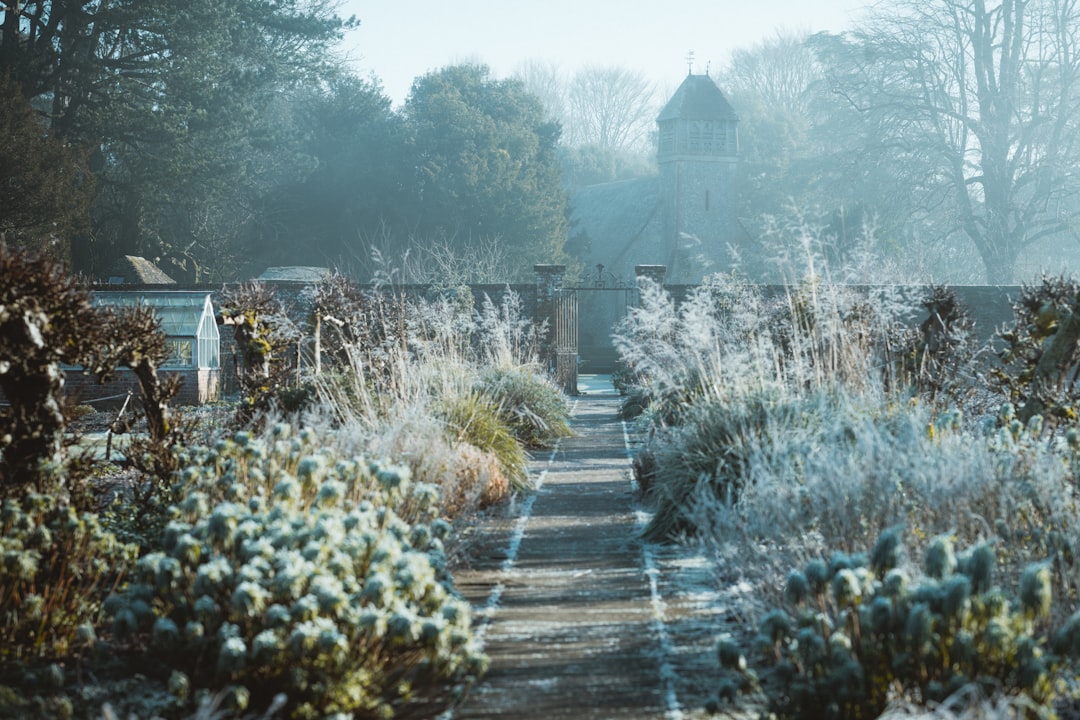
Kitsap County winters are famously mild compared to much of the country, but mild does not mean calm. The same geography that keeps hard freezes rare — the Olympic Rain Shadow, Puget Sound's moderating influence, the channel winds funneling between the islands — also delivers some genuinely punishing wind events between November and March. For gardeners growing food, herbs, and perennials here, winter wind damage is often a bigger threat than cold temperatures alone.
Understanding how to protect plants from wind damage is not about wrapping everything in burlap and hoping for the best. It is about reading your land, building structural defenses that work with the ecosystem, and choosing plants and placements that make your garden naturally more resilient from season to season.
Why Wind Damage Is Different From Frost Damage
Most gardeners in Zone 8 focus their winter preparation on frost protection. That is reasonable — a surprise cold snap can wipe out overwintering crops in a single night. But wind damage works differently and is often more destructive in Kitsap County's specific climate because it accumulates gradually and affects plants that would otherwise sail through a cold winter just fine.
Wind damages plants through several mechanisms at once. Desiccation — the drying of leaf tissue — happens when wind pulls moisture out of foliage faster than roots can replace it from cold, slow-moving soil. Physical breakage snaps stems, dislodges root systems in containers, and tears trellises away from structures. Wind also accelerates evaporation from bare soil, strips mulch from beds, and dramatically increases the effective cold felt by plants even when air temperatures stay above freezing. That wind chill effect matters more than many gardeners realize for tender perennials and newly established transplants.
The Pacific Northwest winter winds Kitsap residents know best tend to arrive in pulses — several calm weeks followed by a violent storm system tracking down from the north or sweeping in off the Sound. Those pulse events, rather than a steady grinding wind, are what do the most structural damage to gardens.
Know Your Wind Exposure Before You Plant
The most effective protection from wind damage starts long before winter. The garden design choices you make in spring and summer determine how exposed your plants will be when November storms arrive.
Walk your property on a calm day and think through what you already know about how wind moves across it. Which direction do your worst storms typically come from? Where do you notice leaves accumulating in drifts after a windstorm — those deposition points show where wind slows down and drops its cargo, which is often a naturally sheltered zone. Where do you see bare patches of soil or leaning plants — those are your most exposed areas.
South and southwest exposures in Kitsap County receive the most sun but are also most exposed to the prevailing winter storm track. North-facing slopes and beds on the lee side of existing structures, hedgerows, or tree lines tend to experience significantly less wind stress in winter. If you are building new raised garden beds or redesigning your layout, positioning them behind natural or planted windbreaks is one of the highest-return investments you can make.
Building a Living Windbreak
A well-designed living windbreak is the single most effective long-term solution for protecting Kitsap County gardens from winter wind damage. Unlike solid walls or fences — which create turbulence on the leeward side as wind curls over the top — a planted windbreak filters wind, reducing its speed progressively without generating destructive eddies.
Effective windbreaks in Kitsap County typically combine several layers. A tall canopy species on the windward edge — Western red cedar, Douglas fir, or big-leaf maple — breaks the force of the strongest gusts. A mid-layer of dense deciduous or evergreen shrubs fills in the lower zone. A low groundcover edge ties the base together and prevents wind from scouring under the windbreak at soil level.
Native shrubs are particularly well-suited to this role because they are already adapted to Kitsap's wind and rainfall patterns. Native shrubs that rewild Kitsap County yards can double as wildlife habitat while providing meaningful wind protection. Oregon grape, red-osier dogwood, and Nootka rose all work well in this application.
A windbreak begins providing meaningful protection at a height roughly five times its own height on the leeward side. A ten-foot hedge protects approximately fifty feet of garden behind it. Plan accordingly, and give new windbreak plantings two to three years to establish before they are doing serious work.
Temporary Wind Barriers for Established Beds
While a living windbreak grows, or in areas where a permanent planting is not practical, temporary barriers can provide meaningful protection through the worst winter months.
Burlap screens stretched between wooden stakes are the most common solution and genuinely effective when installed correctly. The key is to position them on the windward side of the beds, not directly against the plants. A gap of twelve to eighteen inches between the burlap and the outermost plants allows some air movement — which is healthier than complete enclosure — while dramatically reducing wind speed reaching the foliage.
Frost cloth and row cover fabric serve double duty, providing both wind and frost protection when draped over hoops or frames above low-growing crops. Anchoring the edges thoroughly is critical — a row cover that peels back in a storm becomes a liability, not a protection. Use U-pins, sandbags, or rocks along every edge. For crops you are actively overwintering, pairing row cover with a cold frame structure gives you the most reliable protection. Cold frames extend your Kitsap County growing season significantly and are especially valuable during wind events that drop temperatures even while staying technically above freezing.
For container plants, the most effective windproofing is relocation. Move pots to a sheltered wall on the east or north side of the house during storm forecasts. Containers are vulnerable not only to desiccation and breakage but to the freeze-thaw cycling that damages roots when pots are exposed to sustained cold wind. Terra cotta pots are particularly at risk of cracking under those conditions. If relocation is not possible, cluster containers together and place them against a masonry wall that retains some heat overnight.
Protecting Specific Plant Categories
Overwintering brassicas: Kale, Brussels sprouts, and cabbage are among Kitsap County's most valuable winter crops, and they handle cold well — but sustained wind can dessicate outer leaves and snap tall Brussels sprouts stalks that have become top-heavy with heads. Stake individual stalks on the windward side using bamboo and soft ties before November, and consider stripping the lowest leaves to reduce the plant's wind resistance. If you grow a lot of brassicas through winter, this is worth planning carefully. Information on growing Brussels sprouts in Kitsap County and growing kale in Kitsap County covers variety selection that also factors into winter hardiness.
Tender perennials: Herbs like rosemary, lavender, and lemon verbena sit at the edge of Zone 8 hardiness and are susceptible to winter wind kill even when temperatures stay above their cold tolerance threshold. The desiccation wind causes can be more damaging than frost alone. Mulching heavily at the base — a four to six inch layer of straw or leaf mulch — protects roots even when tops suffer. For truly tender specimens, a burlap wrap or temporary greenhouse cloth cover during the worst storms is worth the effort. Overwintering tender perennials successfully in Kitsap County covers this in depth.
Young fruit trees and berry canes: Newly planted fruit trees with shallow root systems are at real risk of wind-throw in Kitsap County's winter storms. Stake new trees with two stakes and a flexible tie — not a rigid one — that allows slight movement but prevents the catastrophic rocking that breaks feeder roots. Raspberry canes should be bundled and tied to their trellis wires before winter storms arrive. For established fig trees and other semi-tender fruit you may be growing, figs fruit well in Kitsap County's mild climate but can suffer significant dieback if left fully exposed during sustained cold wind events.
Food forest layers: If you are developing a layered food forest, the canopy trees that anchor it actually improve in wind resilience as they establish, while the understory shrubs and ground layer plants benefit from that upper canopy shelter. Thoughtful layering is itself a wind protection strategy. Planning a Kitsap County food forest with wind patterns in mind from the start pays dividends for decades.
Mulch as Wind Protection
One of the most overlooked dimensions of winter wind protection is what happens at soil level. Wind strips bare soil of moisture and — on your worst storm nights — physically moves light mulch away from plant crowns and root zones, leaving them exposed at exactly the wrong moment.
Apply a heavier than usual mulch layer before the first major storms arrive. Four to six inches of wood chips, straw, or shredded leaves over root zones and bed surfaces protects against moisture loss, moderates soil temperature, and physically shields the soil surface from scouring. Autumn leaves are one of the best and most available mulch resources for Kitsap County gardeners at precisely the right time of year. Autumn leaf mulch is free fertilizer Kitsap County gardeners overlook — rake them from your yard and use them directly on your beds before the wind takes them instead.
For beds where wind repeatedly strips mulch, consider a top layer of something heavier — compost, wood chips, or even a light scattering of small gravel near the most exposed edges — to anchor the lighter organic material underneath.
Structural Considerations: Trellises, Stakes, and Supports
Winter is when the structural weaknesses in your garden become obvious. Trellises that seemed solid in summer become sails in a 40 mph wind event. Take time in October and early November to audit every structure in your garden before storms arrive.
Pound stakes deeper — at least twelve inches into the ground. Check every connection point on trellises and repair or replace any weakened joints. Remove dead plant material from trellis structures so there is less surface area for wind to catch. If you use netting on any supports, consider taking it down for the winter months entirely, as netting catches far more wind than bare wire or wood.
For raised bed gardeners, check that hoop supports for row cover are securely anchored at the base. A hoop that pulls free from its anchor point in a storm can tear row cover and leave crops fully exposed at the worst possible moment.
Timing Your Interventions
Kitsap County's National Weather Service forecast zone is the Puget Sound lowlands, and the forecasting for this region has improved significantly in recent years. Significant wind events — typically those forecast above 30 mph sustained or 45 mph gusts — are usually predictable two to three days in advance. That is enough time to take meaningful protective action.
Build a simple pre-storm checklist you can run through when a significant wind event is forecast: secure containers, check row cover anchors, close cold frame lids, temporarily anchor any loose trellises with additional stakes, and harvest any crops that are ready rather than leaving them to risk wind damage.
The broader seasonal checklist for fall garden preparation gives you a good framework for getting your garden ready before storm season begins in earnest. Prepping your Kitsap County garden for fall walks through the timing and priorities in detail.
Working With the Land, Not Against It
At Roots and Wings Gardening, the approach to every challenge — including winter wind — starts with the land itself. Before installing barriers, buying materials, or adding infrastructure, the most productive question to ask is: where does this land already provide shelter, and how can I work with that rather than fighting the exposure?
Every Kitsap County property has microclimates. A slope, a stand of existing trees, a south-facing wall — these are assets that, when you plant and design with them in mind, reduce the amount of active intervention your garden needs every winter. Regenerative gardening is partly about building those structural assets over time so that the garden becomes more self-sufficient and resilient each year, rather than requiring more heroic effort as it grows.
Wind damage is real, and protecting your plants matters. But the deepest form of wind protection is a garden that is designed, sited, and planted to work with Kitsap County's actual conditions — so that most winters, the storms pass through and the garden carries on.

