
Pinching Brussels Sprouts in August Pays Off in Kitsap
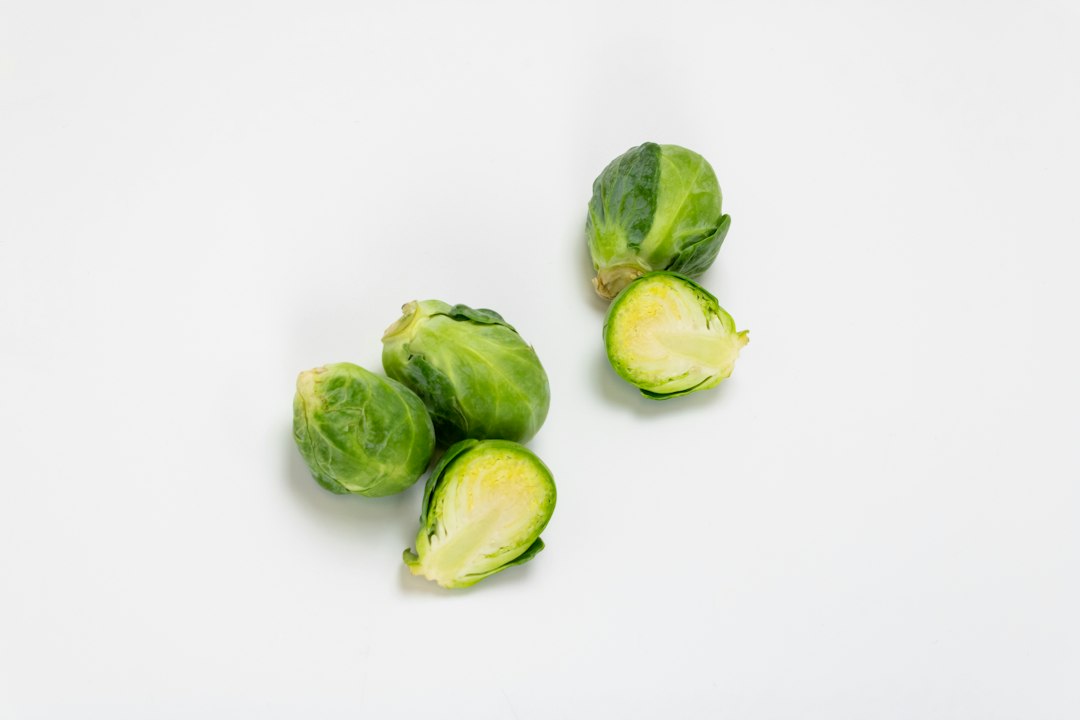
Brussels sprouts are slow, patient plants, and by the time August rolls around in Kitsap County, most gardeners are watching tall stalks lined with small, loose buttons wondering if they'll ever size up before the weather turns. The answer often comes down to one quick, underused technique: pinching out the growing tip.
When you snap off the top cluster of leaves at the apex of the plant in mid-to-late August, you stop the plant from continuing to push upward and set new buds indefinitely. Brussels sprouts, like their brassica relatives, naturally want to keep growing taller and producing smaller and smaller sprouts along the stem as the season wears on. Pinching the top redirects that energy downward and outward, into the sprouts that are already forming. The result is tighter, denser, more uniformly sized sprouts that mature together rather than dribbling out undersized buttons through October.
Timing matters here. Pinch too early and you'll shortchange the plant's total sprout count, since it needs several more weeks of vertical growth to lay down enough nodes along the stalk. Pinch too late, into September, and Kitsap's shortening daylight combined with the cool, wet weather we typically see by then won't give the lower sprouts enough time to bulk up before harvest. Late August is the sweet spot for most varieties grown locally, giving plants roughly six to eight weeks of focused energy before the first hard frost firms up flavor. For a full rundown on variety selection and planting windows for this crop, see our guide on how to grow Brussels sprouts in Kitsap County.
While you're out there pinching tips, it's worth checking leaf color and sprout firmness too. Brassicas are notoriously hungry for sulfur, and a pale, stunted look on the lower leaves this time of year is often a nutrient issue rather than a pest problem — something we cover in detail in our piece on sulfur deficiency in Kitsap County brassicas. If you're also growing cabbage, kale, or cauliflower nearby, remember that all Brassicaceae family members share the same clubroot risk and rotation requirements, so don't skip the guidance in clubroot disease prevention before you plan next year's bed.
Once harvest arrives, a lot of families start asking practical questions about how Brussels sprouts fit into their actual diets — and one of the most common searches we see is whether Brussels sprouts are keto-friendly. The short answer: yes, Brussels sprouts are keto. A typical one-cup serving contains roughly 8 grams of total carbohydrates, with about 3 grams of that being fiber, bringing the net carb count down to around 5 grams per cup. That makes Brussels sprouts a solidly keto-friendly vegetable, especially compared to higher-carb root crops or starchy sides. For anyone tracking macros closely, the fiber content also supports digestion and helps offset the carb load, which is part of why Brussels sprouts show up so often in low-carb meal plans and keto recipe roundups.
If you're growing your own, the nutritional payoff is even better when sprouts are harvested at peak firmness rather than left to go soft and yellow on the stalk, which is another reason the August pinch matters — tighter, denser sprouts tend to hold their structure better in the kitchen, whether you're roasting them whole or shredding them raw for a keto slaw. Pair your Brussels sprouts bed with alliums for natural pest deterrence, as outlined in intercropping alliums with brassicas, and consider chopping spent brassica foliage back into the soil after harvest using the method described in our biofumigation guide to keep next season's bed healthier.
A small August habit — pinching the tip, checking for sulfur hunger, and watching the calendar — is often the difference between a sparse, straggly Brussels sprouts harvest and a dense, keto-friendly crop that holds up through Kitsap's long cool-season kitchen.


"Holly completely transformed our estate! From planning raised beds to planting a variety of vegetables, she made everything so simple and approachable. Not only do we have a thriving garden now, but she taught us how to care for it ourselves. Her passion and knowledge are unmatched - I can’t recommend her enough!"
Lori H.
Private Gardening Client