
Japanese Beetles Arriving in Kitsap County: What Gardeners Should Know
If you've been gardening in Kitsap County for any length of time, you know our biggest pest threats have traditionally been slugs, aphids, and the occasional cabbage worm. But a new threat is moving into our region, and it's one that veteran East Coast gardeners dread: the Japanese beetle, Popillia japonica. Confirmed detections in Washington State have been increasing steadily, and Kitsap County gardeners have good reason to start paying attention now.
This post covers what Japanese beetles are, when they're most active, which plants they target, and — most importantly — what you can actually do to protect your garden using approaches that align with regenerative, ecosystem-centered growing.
What Are Japanese Beetles and Why Do They Matter?
Japanese beetles are invasive scarab beetles, roughly half an inch long, with a distinctive metallic green body and copper-brown wing covers. They were accidentally introduced to the eastern United States from Japan in the early 1900s and have spent the past century marching steadily westward. Their arrival in the Pacific Northwest, including confirmed populations in parts of Washington, has raised serious concern among agricultural agencies and home gardeners alike. What makes them so destructive is their dual life cycle. As grubs, they live underground and feed on the roots of turfgrass and other plants, weakening lawns and garden beds from below. As adults, they emerge and feed voraciously on the leaves, flowers, and fruit of more than 300 plant species — skeletonizing foliage by eating the tissue between leaf veins while leaving the veins intact. A single beetle is manageable. A swarm of them can devastate a garden in days.When Are Japanese Beetles Most Active?
Understanding the beetle's life cycle is essential to managing it effectively. In established populations on the East Coast, adult beetles typically emerge from the soil in late June and remain active through August, with peak activity occurring in July. In the Pacific Northwest, where populations are still establishing, emergence timing may shift slightly depending on soil temperatures — but June through August is the window to watch. Adult beetles are most active on warm, sunny days, particularly between 9 a.m. and 3 p.m. They feed most aggressively when temperatures are above 85°F and will cluster on plants in large groups, releasing aggregation pheromones that attract even more beetles. Overcast, cooler days — which Kitsap County has plenty of — tend to reduce their activity, which may work slightly in our favor. Grubs are most vulnerable in late summer and early fall when they are young and feeding near the soil surface, and again briefly in spring before they pupate.Which Plants Are Most at Risk in a Kitsap Garden?
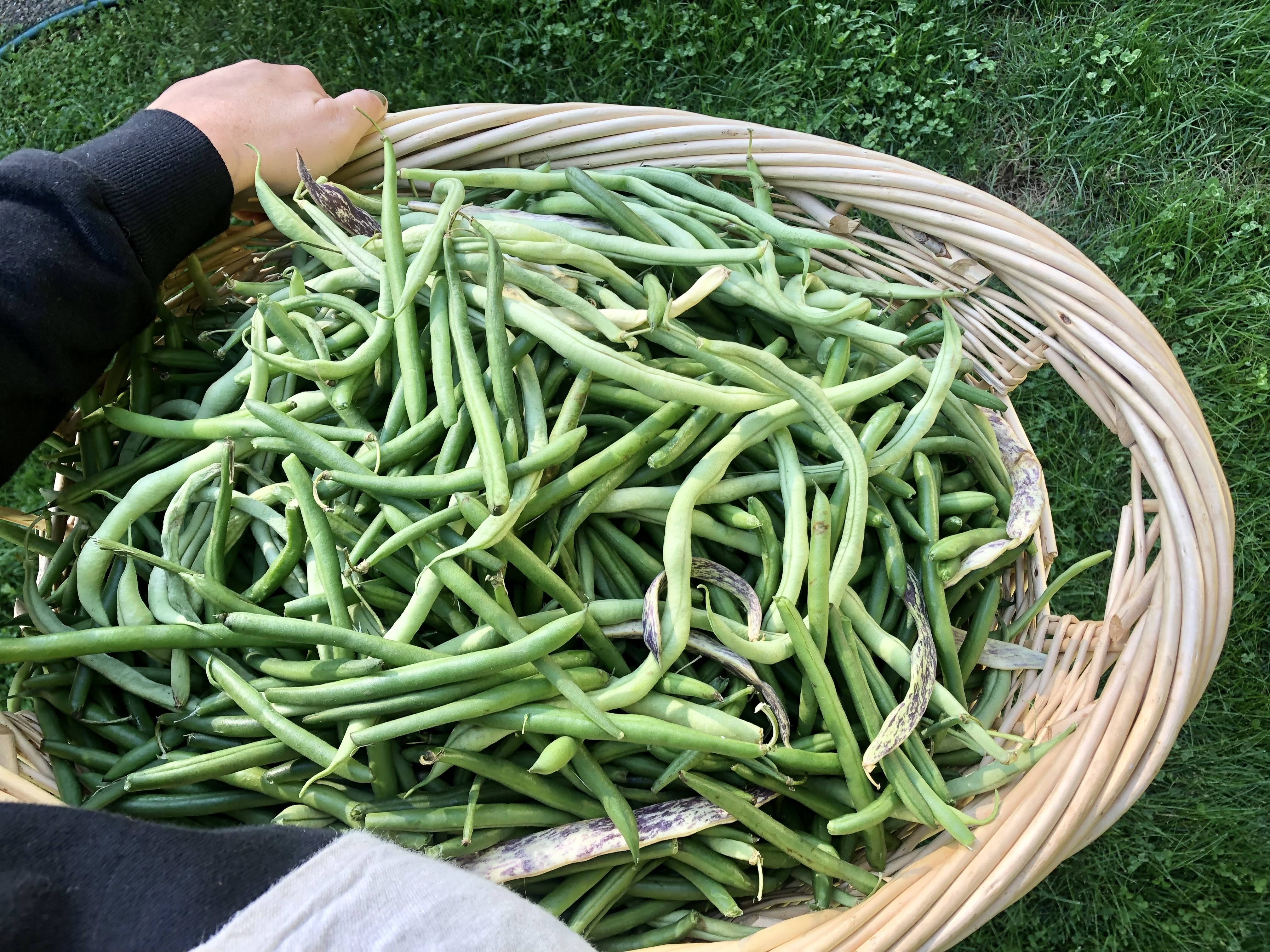
Japanese beetles are generalist feeders, but they do have preferences. In a food garden context, their top targets include:- Beans and legumes — among their most favored food crops. If you're growing beans this season, pay close attention. Our guide to growing beans in Kitsap County covers timing and variety selection that may help you get ahead of peak beetle season.
- Raspberries and other cane berries — beetles love soft fruit foliage and can shred raspberry leaves quickly.
- Corn — particularly the silks, which beetles feed on and can disrupt pollination.
- Grapes — extremely attractive to Japanese beetles.
- Roses — one of their most notorious ornamental targets.
- Fruit trees — especially apple, plum, and cherry.
- Blueberries — a concern for Kitsap gardeners who have invested in established plantings.
- Zucchini and cucurbit foliage — can be affected, though they're less preferred than legumes or fruit crops.
How to Keep Japanese Beetles Off Plants: What Actually Works
Let's be honest about what doesn't work first: those yellow pheromone traps you'll see at garden centers. Research consistently shows that Japanese beetle traps attract far more beetles than they catch, pulling them toward your yard from surrounding areas and increasing damage rather than reducing it. Skip the traps unless you're placing them well away from your garden — and even then, the evidence for their usefulness is weak. Here's what does work, organized by approach:Physical Removal by Hand
In the early stages of an infestation, hand-picking is genuinely effective. Go out in the morning when beetles are sluggish and knock them into a bucket of soapy water. They drown quickly. This works best when populations are still establishing — which is exactly where Kitsap County is right now. Daily morning patrols during peak season (June through August) can make a meaningful difference if you stay consistent.Row Cover and Physical Exclusion
For high-value crops like beans, raspberries, and blueberries, floating row cover applied before beetles emerge in late June provides reliable protection. The key is sealing the edges so beetles can't crawl underneath. Remove covers when crops need pollination, or hand-pollinate if necessary. Physical exclusion is one of the most dependable, chemical-free strategies available.Neem Oil and Insecticidal Soap
Neem oil — specifically products containing azadirachtin as the active ingredient — disrupts feeding behavior and acts as a repellent. It won't kill beetles on contact with the same speed as synthetic pesticides, but it degrades quickly, leaving no harmful residue in your soil, and it's one of the most ecosystem-conscious tools available. Apply in the evening to avoid harming beneficial insects active during the day, and reapply after rain. Insecticidal soap can also knockdown soft-bodied pests and cause some contact mortality.Kaolin Clay
A fine mineral clay spray (sold under brand names like Surround WP) creates a physical barrier on plant surfaces that deters beetle feeding. It's OMRI-listed, non-toxic, and won't harm your soil biology. It does require reapplication after rain and may leave a white residue on foliage, but for protecting high-value crops it's worth considering.Beneficial Nematodes for Grub Control
If Japanese beetles establish in your area, targeting the grub stage in your soil is one of the most effective long-term strategies. Beneficial nematodes — specifically Heterorhabditis bacteriophora — are microscopic organisms that infect and kill beetle grubs in the soil. Apply in late summer or early fall when grubs are young and near the surface. Soil must be moist and warm for nematodes to be effective. This approach takes a season or two to show results but builds long-term resilience without chemicals.Milky Spore
Milky spore (Paenibacillus popilliae) is a naturally occurring soil bacterium that infects and kills Japanese beetle grubs specifically. It's slow-acting — taking one to three years to build up effective populations in your soil — but once established, it can provide years of grub control. It's non-toxic to humans, animals, beneficial insects, and soil biology. This is the kind of long-term, regenerative approach that aligns with how we think about soil stewardship at Roots and Wings.What About the Best Japanese Beetle Killer?
If you're searching for the most effective intervention, the honest answer depends on your priorities. Synthetic insecticides containing carbaryl or pyrethroids will kill beetles on contact — but they are broad-spectrum, meaning they also kill beneficial insects, including pollinators and predatory beetles that naturally keep pest populations in check. Applying them during bloom or when pollinators are active can cause serious collateral damage to your garden ecosystem. From a regenerative gardening perspective, the most effective long-term approach is a layered one: physical exclusion and hand-removal during active season, neem oil or kaolin clay as deterrents, and nematodes or milky spore to suppress grub populations in your soil over time. No single tool is a silver bullet — but a combination of consistent, low-impact strategies will protect your garden while preserving the ecosystem balance that makes your soil productive year after year.Companion Planting for Deterrence
While no companion plant will stop a heavy infestation on its own, there is evidence that certain plants may deter or trap Japanese beetles. Geraniums (Pelargonium species) have been shown in studies to cause temporary paralysis in Japanese beetles when consumed, potentially reducing feeding. Catnip, chives, and garlic-family plants may offer some repellent effect. Interplanting your most vulnerable crops with aromatic companions is consistent with the kind of holistic, ecosystem-based planning we encourage. For more on how companion planting works in a Kitsap food garden, see our post on companion planting combinations that actually work in Kitsap County.Monitor and Report: You're Part of the Early Warning System
Washington State Department of Agriculture (WSDA) has active monitoring programs for Japanese beetles and asks residents to report sightings. If you spot a beetle you suspect is a Japanese beetle — especially if you're seeing it in a new area — photograph it and report it to WSDA through their online pest reporting tool. Early detection matters. The earlier populations are identified, the more options exist for management before they become fully established. This is community-level stewardship in action. Every gardener who pays attention and reports what they see contributes to a broader understanding of how this pest is spreading — and gives our region a better chance at managing it before it reaches the scale of damage seen in the eastern United States.What Kitsap's Climate Might Mean for Japanese Beetle Pressure
There's one silver lining worth acknowledging: Kitsap County's cool, wet climate and relatively mild summers may limit how aggressively Japanese beetles establish here compared to warmer inland areas. Adult beetles prefer hot, dry conditions for peak feeding activity, and our reliable marine influence — cool mornings, frequent overcast skies — doesn't play to their strengths. That said, climate variability is real, and warmer, drier summers like some we've seen recently create windows of vulnerability. Don't assume our weather alone will protect your garden.Building Resilient Gardens Before Pests Arrive
The best time to prepare for Japanese beetles is before they're a serious problem in your area. Healthy soil, diverse plantings, strong plant immunity, and a functioning beneficial insect ecosystem all reduce vulnerability to pest pressure of any kind. Gardens that rely on monocultures, synthetic fertility, and bare soil are always more fragile in the face of new pest threats. If you're working on your soil health this season, our guide to spring soil preparation in Kitsap County is a good place to start. And if you're thinking about building biodiversity into your ornamental spaces to support beneficial insects, take a look at our post on how to attract pollinators to your Kitsap garden — a healthy pollinator population means a healthier predator population too. Japanese beetles are a real threat, but they're not unmanageable. Stay informed, stay observant, and grow in a way that builds resilience from the ground up. That's always been the Roots and Wings approach.
"Holly completely transformed our estate! From planning raised beds to planting a variety of vegetables, she made everything so simple and approachable. Not only do we have a thriving garden now, but she taught us how to care for it ourselves. Her passion and knowledge are unmatched - I can’t recommend her enough!"
Lori H.
Private Gardening Client